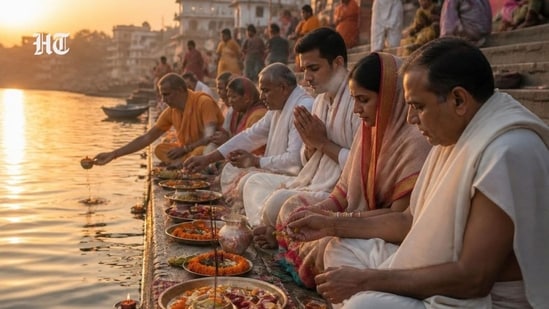
According to Hindu traditions, Pitru Paksha is a 15-lunar-day period in the Hindu almanack dedicated to remembering and honouring ancestors. During these days, many Hindu families perform Shraddha and other traditional practices for departed family members.
But Pitru Paksha goes beyond rituals. At its heart, the period gives you time to remember your ancestors, reflect on your family roots and express gratitude for the people who came before you.
Also Read Pitru Paksha 2026: Dates, timings and what to do during the 15-day period
When is Pitru Paksha in 2026?
According to Drik Panchang, Pitru Paksha begins on September 27, 2026, with Pratipada Shraddha, and ends on October 10, 2026, with Sarva Pitru Amavasya.
Pitru Paksha 2026 dates and tithis:
September 27: Pratipada Shraddha
September 28: Dwitiya Shraddha
September 29: Tritiya Shraddha and Maha Bharani
September 30: Chaturthi and Panchami Shraddha
October 1: Shashthi Shraddha
{{/usCountry}}October 1: Shashthi Shraddha
{{/usCountry}}October 2: Saptami Shraddha
October 3: Ashtami Shraddha
October 4: Navami Shraddha
October 5: Dashami Shraddha
October 6: Ekadashi Shraddha
October 7: Dwadashi Shraddha
October 8: Trayodashi Shraddha
October 9: Chaturdashi Shraddha
October 10: Sarva Pitru Amavasya
Why do Hindus honor their ancestors?
Hindu tradition places strong importance on gratitude toward ancestors. Pitru Yajna, one of the Pancha Maha Yajnas, represents appreciation for the ancestors and the family traditions they passed down.
Also Read Pitru Paksha 2026: Significance, rituals and why remembering ancestors still matters today
Hinduism Today explains that families traditionally observe Pitru Yajna through practices such as tarpana and Shraddha, according to their customs. Tarpana involves offering water, often with ingredients such as sesame seeds, as part of ancestor remembrance.
Also Read Pitru Paksha 2026: Significance, rituals and why remembering ancestors still matters today
What is the spiritual meaning of Pitru Paksha?
You can look at Pitru Paksha as a time to pause and remember where you come from.
Think about the values your family passed down to you. Remember the stories you heard about grandparents and older generations. You can also ask relatives about family members whose lives you never knew personally.
Hinduism Today notes that sharing stories about ancestors with younger generations can form part of a broader approach to Pitru Yajna.
Why does ancestor remembrance matter?
You may not remember every ancestor by name. You may know only a photograph, a story or a few details about someone who lived before you.
Pitru Paksha can give you a reason to preserve those memories. You can look through old photographs, speak with older relatives or record family stories for the next generation.
This approach does not replace traditional Shraddha or other religious practices. Instead, it offers another way to understand the importance of remembrance.
What happens on Sarva Pitru Amavasya?
In 2026, Sarva Pitru Amavasya falls on October 10. Sarva Pitru Amavasya marks the final day of Pitru Paksha. It holds particular importance for remembering ancestors when you do not know or cannot observe the specific death tithi.
Pitru Paksha is a time for gratitude
You can use these 15 lunar days to reconnect with your family history and remember the people who came before you. Pitru Paksha places remembrance, gratitude and family continuity at the centre of the spiritual observance.
Disclaimer: This article explains traditional Hindu beliefs and practices for informational purposes. Pitru Paksha customs and ritual procedures can vary by family, region and tradition. Consult a qualified priest for the practises.