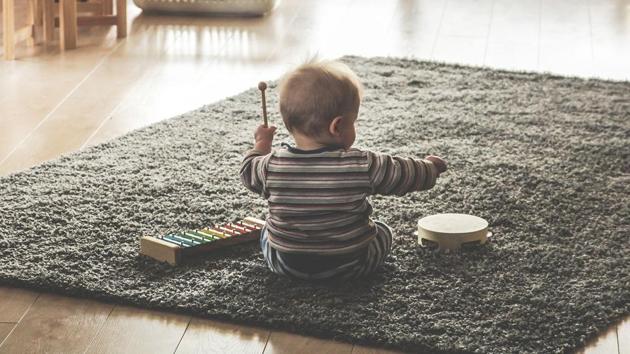
Is there, as some have suggested, a developmental period early in life when the brain is especially receptive to musical training? The answer, according to new research, is probably not.
“It is a common observation that successful musicians often start their musical training early,” said Laura Wesseldijk, a researcher at the Karolinska Institute in Sweden and the first author on the paper. “One much-discussed explanation is that there may be a period in early childhood during which the brain is particularly susceptible to musical stimulation. We found, however, that the explanation to why an early start matters may be more complicated and interesting than previously believed.”
While the new study supports the idea that an early start is associated with higher levels of musical skills and achievement in adulthood, the underlying reasons for this may have more to do with familial influences -- such as genetic factors and an encouraging musical family environment -- along with accumulating more total practice time than those who start later in life.
To untangle these effects, Wesseldijk and her colleagues recruited 310 professional musicians from various Swedish music institutions, such as orchestral and music schools. The researchers also used data from an existing research project, the Study of Twin Adults: Genes and Environment (STAGE). Participants from both studies were tested on musical aptitude and achievement. They also answered a series of questions that gauged how often they practised and the age of onset of musical training. The STAGE data also provided genetic information on its participants.
{{/usCountry}}To untangle these effects, Wesseldijk and her colleagues recruited 310 professional musicians from various Swedish music institutions, such as orchestral and music schools. The researchers also used data from an existing research project, the Study of Twin Adults: Genes and Environment (STAGE). Participants from both studies were tested on musical aptitude and achievement. They also answered a series of questions that gauged how often they practised and the age of onset of musical training. The STAGE data also provided genetic information on its participants.
{{/usCountry}}By comparing the results from these two independent studies, the researchers were able to show that an earlier start age is associated with musical aptitude, both in amateurs and professional musicians, even after controlling for accumulated practice time. They then evaluated starting age in a manner that accounted for the genetic data from the STAGE study.
The results indicate that genetic factors -- possibly related to musical interest and talent -- have a substantial influence on the age individuals start music practice and their future musical aptitude. When controlling for familial factors, namely shared genetic and environmental influences, such as a home environment that is steeped in music, there was no additional association between an earlier start age and musicality.
A possible explanation for these results could be that children who display more talent in a particular field, such as music, are encouraged to start practising earlier. Another possibility is that a musically active, interested, and talented family provides a musical environment for the child, while also passing on their genetic predispositions to engage in music.
“I think we have really investigated effects of the age you start musical training to the fullest,” said Wesseldijk. “Personally, as someone who practices music, it is always great to shed light on some of the factors, within the gene environmental interplay, that influences music skills.”
(This story has been published from a wire agency feed without modifications to the text.)
Follow more stories on Facebook and Twitter