How the power amendment bill will transform the sector
Once implemented, it should transform the Indian power sector into a financially sustainable, cost-efficient, attractive investment compliant with its international commitments on clean energy.
The Electricity (Amendment) Bill, 2022, introduced in the Lok Sabha on August 8 and then sent to the Parliamentary Standing Committee on Energy after Opposition protests, addresses issues concerning the power sector in India.
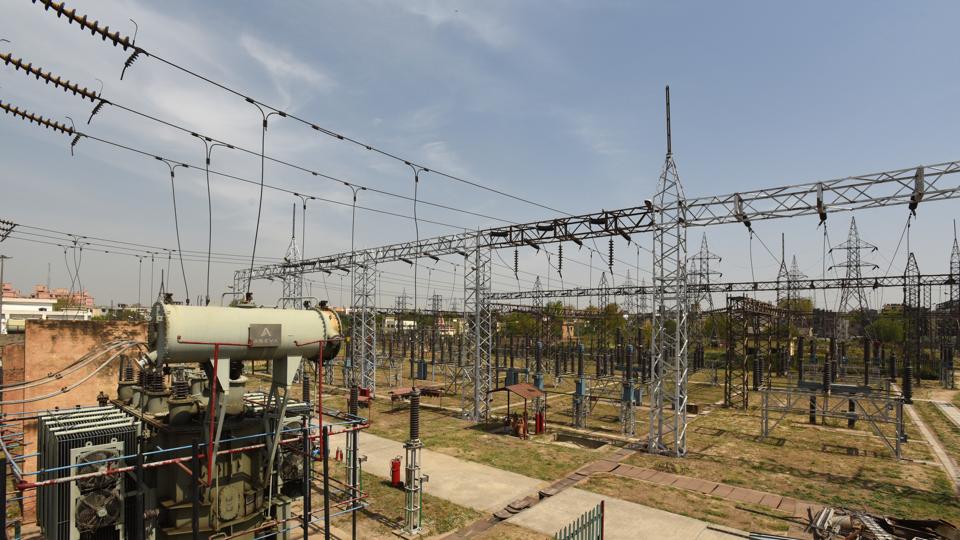
The sector is crucial since it affects the lives of citizens and the economy. (Representative Photo)
The sector is crucial since it affects the lives of citizens and the economy. Yet, while other sectors, such as aviation and telecom, have seen extensive reforms, leading to lower prices and improved quality of service, the power sector has remained untouched, except for some feeble attempts to reform it.
A significant power sector restructuring took place in 2003, with the promulgation of the Electricity Act. It separated generation, transmission, distribution, and delicensed generation, transforming India from a chronically power-short nation to a surplus one. There was hope that the state electricity boards, which had been incorporated as distribution companies (discoms), would work efficiently as commercial entities, become financially viable, and keep a distance from the government. But that never happened. As of August 5, discoms owe power generators ₹113,000 crore. By March 2020, discoms accumulated losses of around ₹523,000 crore. For every rupee of power sold, they recovered only 79 paisa.
This is untenable. No business could have continued with such financial stress, but for the support of different schemes and relief packages from the central government. In addition, Power Finance Corporation Limited and REC Limited, the two non-banking financial companies under the power ministry, have also provided discoms with liquidity.
The Electricity (Amendment) Bill, aims to strengthen the legal framework to make the sector financially viable and sustainable, foster investments, encourage growth in renewables, and give consumers the choice of the distribution company from which to purchase electricity. It focuses on bringing financial discipline and accountability for all parties, including regulators.
Discoms buy power through long-term contracts (power purchase agreements or PPAs), which they sign with electricity generators. Over 90% of electricity produced is sold through long-term PPAs. Since electricity is sold on deferred payment, these contracts have a provision of Letter of Credit (LC), which a discom gives to the generator as an assurance that if it fails to make the payment, the generators can recover the dues from the LC-issuing bank. The amendment bill now casts responsibility on a national body called the National Load Despatch Centre (NLDC) to ensure that no electricity is distributed without adequate payment security. The regulatory commissions will now be able to adjudicate disputes relating to the performance of obligations under the contract and enforce its orders as a decree of a civil court. The adjudication will have to be completed within 90 days, preventing long delays.
A few discoms have been remiss in not filing tariff revision petitions even though the cost of power and operations have increased. This is because some state governments do not want retail tariffs to increase. The state regulatory commissions will now be enjoined to suo motu revise the retail tariff and make it cost reflective. Those regulators who do not perform their responsibilities may face negative consequences.
These measures will secure cash flow to generators and make for an investment-friendly regime. India needs an investment of about $500 billion by 2030 to meet its renewable energy goals. A recent study by Bloomberg and Power Foundation of India found that the biggest risk perceived by investors in the renewable sector was counterparty risk (the probability that the other party in an investment, credit, or trading transaction may not fulfil its part of the deal and may default on the contractual obligations) of discoms. The steps will help mitigate this risk and upholding the sanctity of contracts. In addition, renewable purchase obligations for different entities will now be a legal responsibility to ensure that clean energy is purchased.
The 2003 Electricity Act mandates a distribution licensee to own a distribution system. This provision of the Act leads to, as in Mumbai, duplication of network and unnecessary investment. The amendment enables distribution companies to use networks owned by others. This will open the sector to competition and remove monopoly suppliers.
The amendment bill attempts to resolve structural problems in the sector. Once implemented, it should transform the Indian power sector into a financially sustainable, cost-efficient, attractive investment compliant with its international commitments on clean energy.

 E-Paper