Burdened by its spiralling borrowings and interest liability, the Punjab government is seeking to restructure its debt, particularly loans from market and the National Small Savings Fund (NSSF), to try and tide over the prevailing difficult financial position.
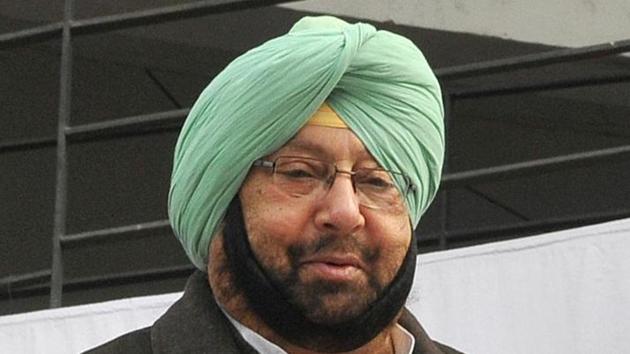
Chief minister Captain Amarinder Singh has requested Union finance minister Arun Jaitley to allow the state to swap the high cost loans from the NSSF and market with low cost market borrowings. “The NSSF loans have been raised at a rate of 9.5% or more whereas the market loans of Rs 33,938 crore have been taken at 8.5% in the past. The average rate of interest on market borrowing is a little over 7% for financial year 2016-17,” Amarinder wrote to Jaitley two weeks ago.
The debt-laden state government has asked the Union finance ministry to grant an early approval to allow it to take advantage of the current low interest regime, citing loan restructuring as an important step towards ensuring fiscal prudence and financial discipline. The state, which had an outstanding debt of Rs 1.83 lakh crore at the end of 2016-17, has estimated the interest burden on these loans to be approximately Rs 14,190 crore this fiscal year.
The Congress government, which is feeling constrained by the borrowing limit set by the Centre for the current fiscal and delay in transfer of its share of Goods and Services Tax (GST), appears to lack the financial wiggle room to meet its committed liabilities and implement the populist promises. “If we are allowed to swap these high interest bearing borrowings with the low cost market loans, the state would save Rs 2,700 crore on entire NSSF loans. Similarly, it can make a saving from interest payments on market loans as well,” sources told HT.
The debt of the state has almost quadrupled in the last 10 years, going up from Rs 48,334 crore in 2006-07 to Rs 1.83 lakh crore on March 31, 2017. Besides NSSF loans, this includes market borrowings of Rs 79,350 crore, Ujwal Discom Assurance Yojana (UDAY) bonds of Rs 15,628 crore and long-term loan raised by the state government to settle the cash-credit limit of approximately Rs 30,000 crore.
{{/usCountry}}The debt of the state has almost quadrupled in the last 10 years, going up from Rs 48,334 crore in 2006-07 to Rs 1.83 lakh crore on March 31, 2017. Besides NSSF loans, this includes market borrowings of Rs 79,350 crore, Ujwal Discom Assurance Yojana (UDAY) bonds of Rs 15,628 crore and long-term loan raised by the state government to settle the cash-credit limit of approximately Rs 30,000 crore.
{{/usCountry}}As per the budget figures, the outstanding debt is estimated to increase to Rs 1.95 lakh crore at the end of the current financial year. The Congress government has repeatedly accused the previous SAD-BJP government’s reckless borrowing for leaving the state debt-ridden. In a white paper on state finances in June this year, the government, while painting a grim picture blamed lack of their fiscal prudence, indiscriminate raising of loans, especially unproductive borrowings, and “book-cooking” for the debt trap.
However, it has sought a “one-time exemption” from the provisions of the Fiscal Responsibility and Budget Management (FRBM) Act, 2003, to take additional loans. The state has requested the Centre for permission to raise extra loan of Rs 10,000 crore, in addition to the borrowing limit of over Rs 12,500 crore sanctioned for 2017-18, to fulfil its farm debt waiver promise made during the state assembly elections. The Reserve Bank of India (RBI) had, in its report on “State Finance – A Study of Budgets of 2016-17”, shown Punjab among the low performing states in terms of debt to gross domestic product (GDP) ratio.