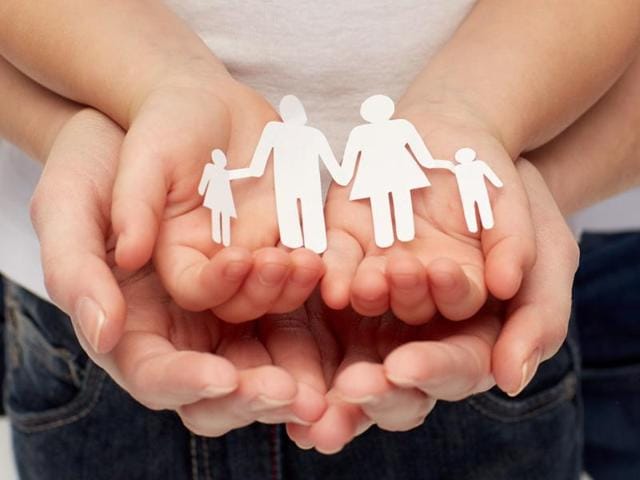
Open adoptions, in which communication is encouraged between adoptive families and the biological family, can benefit the child as well as the adoptive parents, finds a new study.
For most of the 20th century, adoptions were largely “closed”, meaning birth parents placed their child with an adoption agency and had no further contact unless the child sought them out later in life.
According to statistics, a shift occurred in the 1990s when adoption practitioners started to recognise the benefits of “open” adoptions, or adoptions in which adoptive families have ongoing interactions with the birth family, the study revealed.
Read: Why children are taking their old parents to court
“In the past, closed adoptions severely cut off any communication between biological parents and the children they placed for adoption,” said Haley Horstman, Assistant Professor at the University of Missouri in the US.
The findings showed that the best outcome for an adopted child is for adoptive parents and birth parents to jointly tell the story of adoption, at an appropriate time.
This open communication between birth parents and adoptive parents has changed the nature of adoptions, birth parents have appreciated this new movement toward openness, the researchers said.
{{/usCountry}}This open communication between birth parents and adoptive parents has changed the nature of adoptions, birth parents have appreciated this new movement toward openness, the researchers said.
{{/usCountry}}“Biological parents in open adoption relationships often feel more secure knowing more about the parents who adopted their children,” Horstman added.
For the study, the team analysed the adoption entrance narratives of 165 adoptive parents (mostly mothers) and revealed themes that can help shape the ways in which adoptive and biological parents communicate with their children.
“It’s important to get a sense of what the adoptive parents are saying to birth parents and what they are saying to the adopted child about their biological parents,” noted Colleen Colaner, Assistant Professor at the University of Missouri.
Read: Over 3 years, 60% of children adopted in India were girls
As the team analysed the process of communication, they found that adoptive parents are the “gatekeepers” to the relationships their adoptive kids have with their birth parents.
The conversations they have is what shapes their relationships.
“Adoptive parents and birth parents don’t have to be the best of friends, but they can try to have a good relationship, even though it can be challenging,” Horstman said, in the study published in the Journal of Social and Personal Relationships.
Follow @htlifeandstyle for more.
Catch your daily dose of Fashion, Taylor Swift, Health, Festivals, Travel, Relationship, Recipe and all the other Latest Lifestyle News on Hindustan Times Website and APPs.
Catch your daily dose of Fashion, Taylor Swift, Health, Festivals, Travel, Relationship, Recipe and all the other Latest Lifestyle News on Hindustan Times Website and APPs.