How do you bring a species back to an island when only two animals remain? That was the challenge on Isle Royale, a wilderness national park in Lake Superior, where the last two wolves were not breeding. A five-year assessment published in Conservation Science and Practice said a restoration project that began in 2018 achieved its goal of establishing a self-sustaining wolf population. The study period ran from September 24, 2018, to September 1, 2023. It also used computer modeling to examine the odds of the wolves still being alive on the island 20 years from now.
A park that lost its wolves
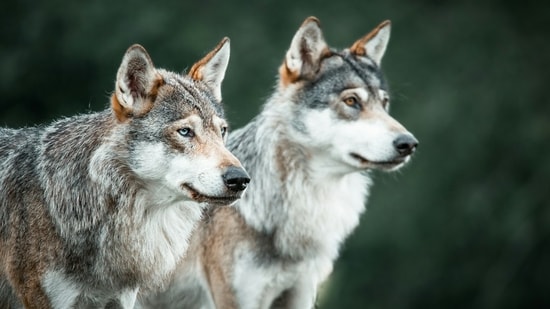
According to a 2017 BioScience article by Mech and colleagues, wolves and moose have been studied on the 540-square-kilometer island since 1958. Wolves arrived across the ice about 1949, and their numbers once rose to about 50. They averaged about 25 a year over the years. Then the population fell to two nonbreeding wolves. The park has long been known for its wolves and moose, and the research draws strong interest from visitors. The authors saw it as a unique opportunity for science-based park management. At the time, the Park Service had proposed bringing in 20 to 30 wolves over three years to reestablish the population.
How 19 wolves were brought in
Researchers documented that the National Park Service moved 19 wolves to the island between September 2018 and September 2019. The animals were from Minnesota, Michigan, and Ontario, Canada. To preserve social bonds, managers tried to move wolves that had been in the same packs together. The research also compares this to an Idaho wolf project where older pack members were released in pairs or trios. The goal was not just to reintroduce wolves to the island. The goal was to build a population that could last 20 years. To track progress, the team looked at wolf counts, reproduction, and recruitment, which means young wolves joining the population.
What happened over five years
{{/usCountry}}Researchers documented that the National Park Service moved 19 wolves to the island between September 2018 and September 2019. The animals were from Minnesota, Michigan, and Ontario, Canada. To preserve social bonds, managers tried to move wolves that had been in the same packs together. The research also compares this to an Idaho wolf project where older pack members were released in pairs or trios. The goal was not just to reintroduce wolves to the island. The goal was to build a population that could last 20 years. To track progress, the team looked at wolf counts, reproduction, and recruitment, which means young wolves joining the population.
What happened over five years
{{/usCountry}}The figures moved in the right direction. The first winter they monitored, researchers counted ten wolves. By April 2023, the minimum count was 27. A minimum count is the lowest number of wolves researchers can verify. The wolf count rose in the five years after the move. The count was above the 50-year average of 22 wolves in three of the five years. The wolves also bred each year, including the year they arrived. Researchers tallied at least 10 litters and 29 pups. These totals do not simply add up, because wolves also died or left the island along the way. About three out of four wolves survived each year, and four of the 11 mainland wolves had died within a year. The wolves formed packs and established territories much like those of earlier generations of wolves. The assessment also points to a family group from Michipicoten Island as a major source of new pups. Citing these trends, the authors concluded that the project met its objective of establishing a self-sustaining wolf population.
What the numbers say about the future
The study also cast an eye forward. Its population simulations indicated an 80% plus chance wolves would remain on the island for 20 years. That held even at high levels of inbreeding. The simulations incorporated inbreeding depression, meaning that inbreeding can reduce survival or reproduction, so the odds already accounted for that risk. Based on trends in reproduction, recruitment, counts, and viability, the researchers said they expected the project to meet its goal of a wolf population lasting more than 20 years. But simulations are not guarantees. Genetic diversity remains a concern for a small group on an isolated island. The early results are encouraging, but the long-term picture will take more time to confirm.