Matt Wong never planned to be a farmer. He just planned to hire one. In a May 2026 episode of the Farm Change with Romey podcast, Wong, a Melbourne lawyer, business owner, and host of the Discernible podcast, talked about how he came to be running a 150-acre regenerative property outside the city. Three years later, he was fixing pumps, moving cattle, and working through brutal heat. His story suggests that big life changes don’t always start with a big plan.
COVID opened the door
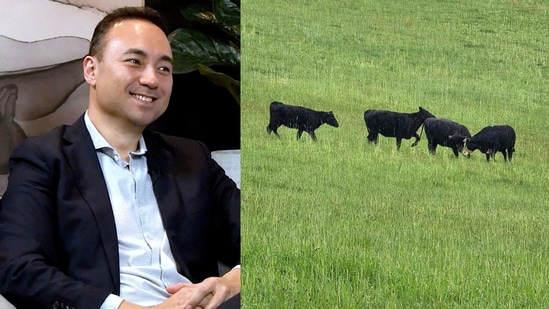
The pandemic opened a door for Wong, but the urge for more real, physical, and meaningful work had been brewing long before it arrived. We often have that feeling where the job is good, but we still feel like something is missing. That feeling might be worth listening to.
Wong and host Romey talk about the Dunning-Kruger curve as an honest map of the farming journey. They also discuss the despair that hits when plans collide with what the land wants to do. They argue that in some cases outsiders can become effective regenerative farmers, even without generations of experience. That view may appeal to newcomers.
One hot day, one open valve
Farming, Wong says, is both the most maddening and rewarding thing you can do. On a very hot day, the paddock was dry, and Wong’s cows were thirsty. Then he opened a valve, and the water came running out, because his water system had finally started working after weeks of problems. He shouted in the field with joy, and says it was almost spiritual, because that water meant green grass and living animals. The next day, Wong said, the water was not working, and he was not sure whether he loved farming or hated it.
So what is regenerative farming?
Regenerative farming is a popular term, but not an easy concept to define. A 2020 review byNewton and colleagues in Frontiers in Sustainable Food Systems reviewed 229 academic papers and 25 practitioner websites. Some definitions center on processes such as using cover crops and low tillage. Others focus on outcomes such as improving soil quality and increasing biodiversity. At the time of publication, there was no legal definition for regenerative agriculture. So next time you see it on your food label, you can pause and think about what it means for that farm.
Why time outdoors may help
{{/usCountry}}Regenerative farming is a popular term, but not an easy concept to define. A 2020 review byNewton and colleagues in Frontiers in Sustainable Food Systems reviewed 229 academic papers and 25 practitioner websites. Some definitions center on processes such as using cover crops and low tillage. Others focus on outcomes such as improving soil quality and increasing biodiversity. At the time of publication, there was no legal definition for regenerative agriculture. So next time you see it on your food label, you can pause and think about what it means for that farm.
Why time outdoors may help
{{/usCountry}}Wong’s days are long and physically taxing. He describes the physical transformation that comes from 14-hour days outdoors. However, spending some time in nature can have its own set of benefits. A 2019 study by White and colleagues in Scientific Reports surveyed 19,806 adults in England. Those who spent at least 120 minutes a week in nature were more likely to report both good health and high wellbeing. But there is a catch. The study looked at time in nature for recreation, not farm work. It also shows an association, not that nature caused better health.
What you can learn from his story
Wong notes that a strong network is worth more than any piece of machinery. He discusses Joel Salatin and Polyface Farms and what he would tell any lawyer, doctor, or office worker who ever wondered if this life is for them. You don’t need to buy land to relate to Wong’s story or take something away from it. You can volunteer on a farm, join a community garden, or just spend more time outside. Farming can be hard, and it might not be for everyone. But Wong’s story shows it’s okay to change path, even if it is muddy and unplanned.