
 E-Paper



Cuba researchers battle to save rare crocodile species. Why this is important
To protect the species, the Cuban government tightly controls the sale of crocodile meat, however an illegal market can still be found in some areas around the swamp.

 Prefer HTon Google


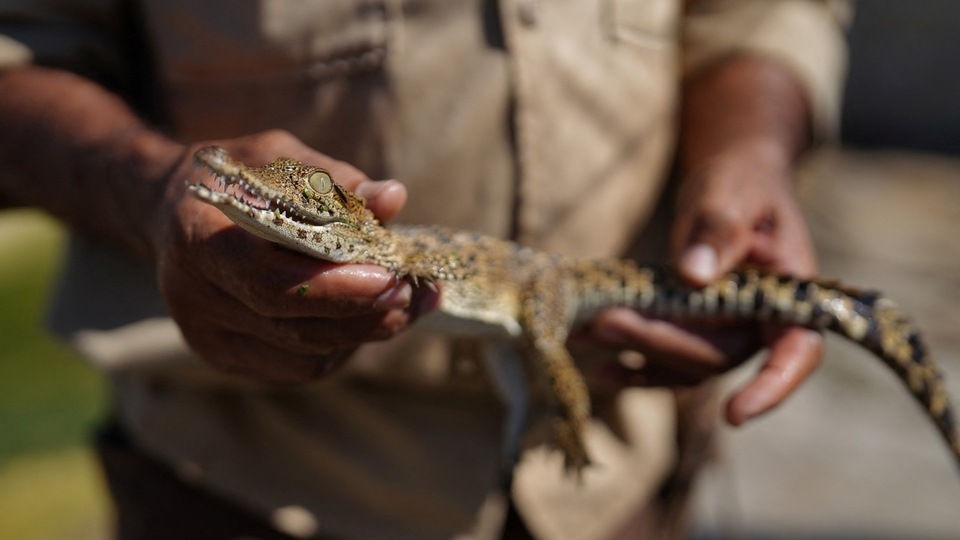
Cuban researchers are sweating it out to save a critically endangered and endemic crocodile species. The medium-sized species is found in two swamp habitats : palm-speckled Zapata and Isle of Youth. According to scientists, Cuban crocs now have the smallest natural habitat left of any living crocodile species. But researchers are now trying to “bring them back from the edge of extinction.”
Also Read| East Mediterranean, Middle East warming up twice as fast as global average
Here is why their efforts assume significance:
Illegal hunting and hybridisation with American crocodiles have contributed to the declined population of the Cuban crocs. Hybridisation alters the genetic makeup of the original species, in this case, it muddles the Cuban crocs' genetics, thus endangering their population.
A warmer climate is said to have emerged as a new threat as it alters the sex ratio of newborn crocs.
Scientists fear that because this particular species prefers to dwell only in a relatively small area of the wetland, a natural disaster anytime, which is a common phenomenon in today's time, could wipe out most of the population.
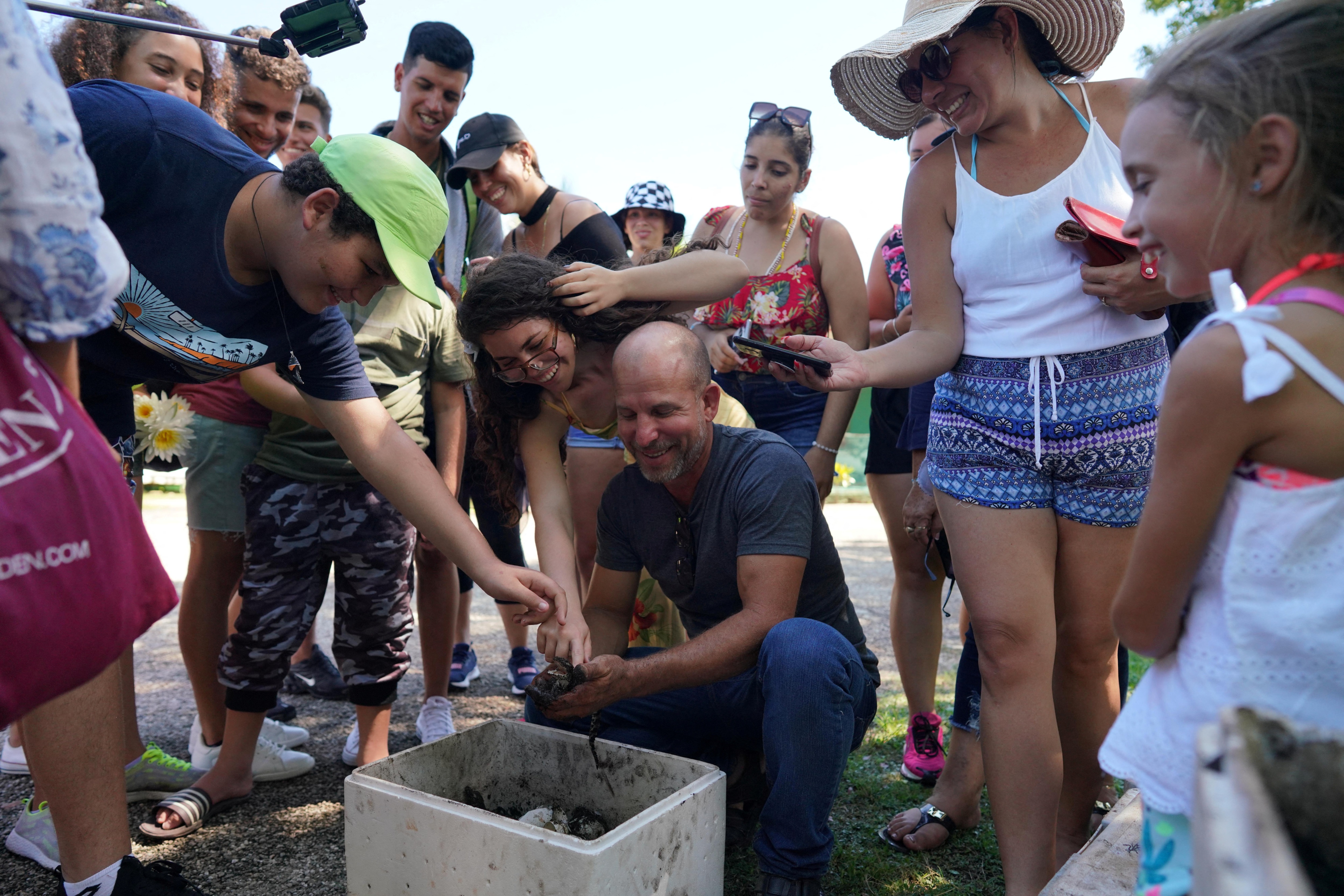
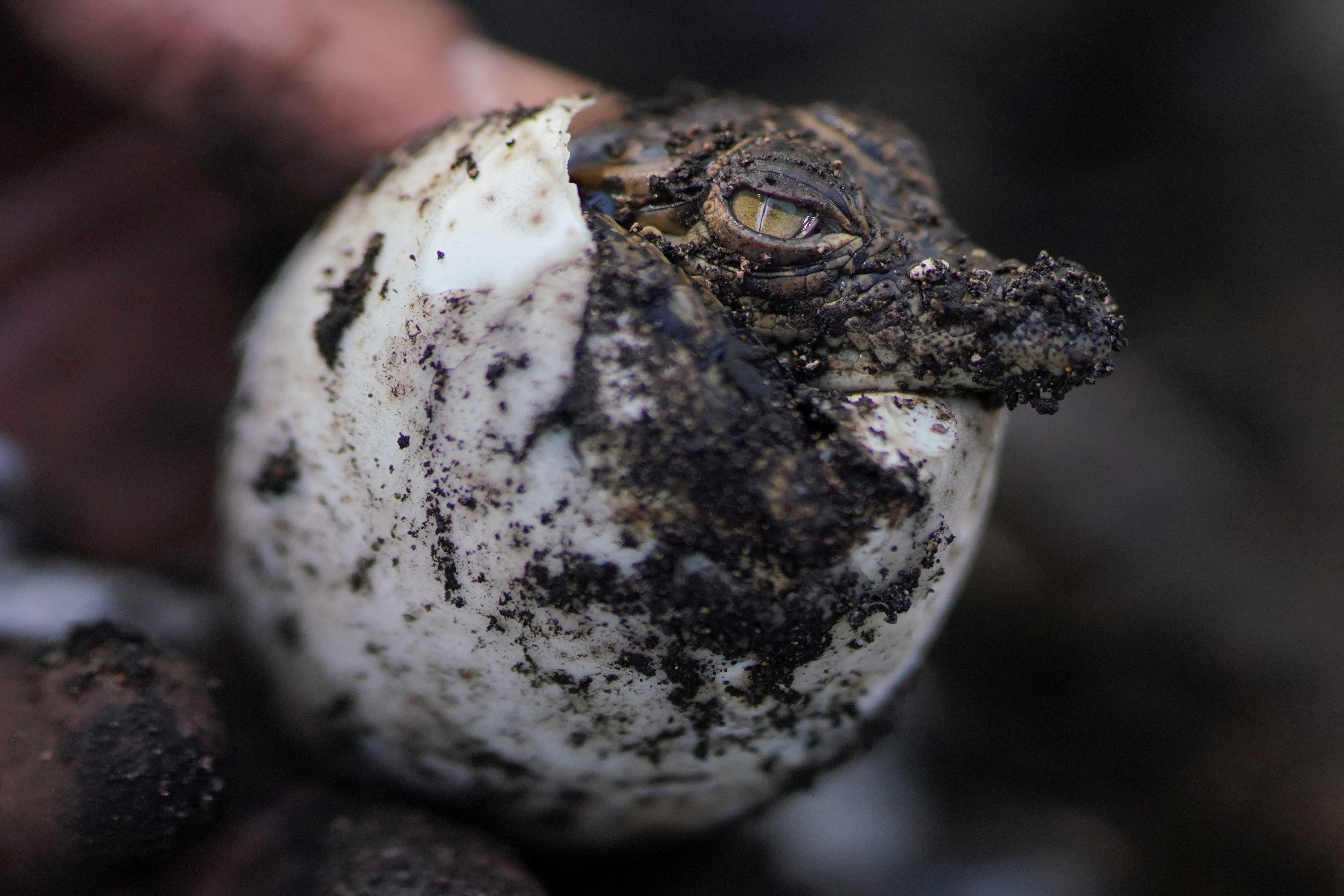
These concerns thus prompted the Cuban government to underwrite a hatchery program that annually releases several hundred crocodiles into the wild.
The International Union for the Conservation of Nature confirms long-standing concerns over the limited habitat of the species.
To protect the species, the Cuban government tightly controls the sale of crocodile meat, however an illegal market can still be found in some areas around the swamp.
The Caribbean island is gripped by a dire economic crisis and poses challenges such as fuel shortages, antiquated equipment and often inhospitable conditions.
(Inputs from Reuters)


