E-Paper


Lindsay Clancy’s private messages reveal ‘terrifying’ thoughts weeks before her children's death: ‘I feel addicted to…’
Lindsay Clancy’s private messages showed severe distress and suicidal thoughts weeks before her children’s deaths.

 Prefer HTon Google


Lindsay Clancy’s private messages from weeks before the deaths of her three children showed how badly her mental health had deteriorated, according to testimony at her murder trial. In messages to psychiatric nurse practitioner Rebecca Jollotta, Clancy described severe anxiety, insomnia, intrusive thoughts and fears about her medication. On December 2, 2022, she wrote, “I feel like I’m going to die, and I don’t care. What do I do about this?” Jollotta told jurors that she believed Clancy was suffering from postpartum depression and considered her symptoms treatable. The testimony is now a key part of the debate over Clancy’s mental state before January 2023.
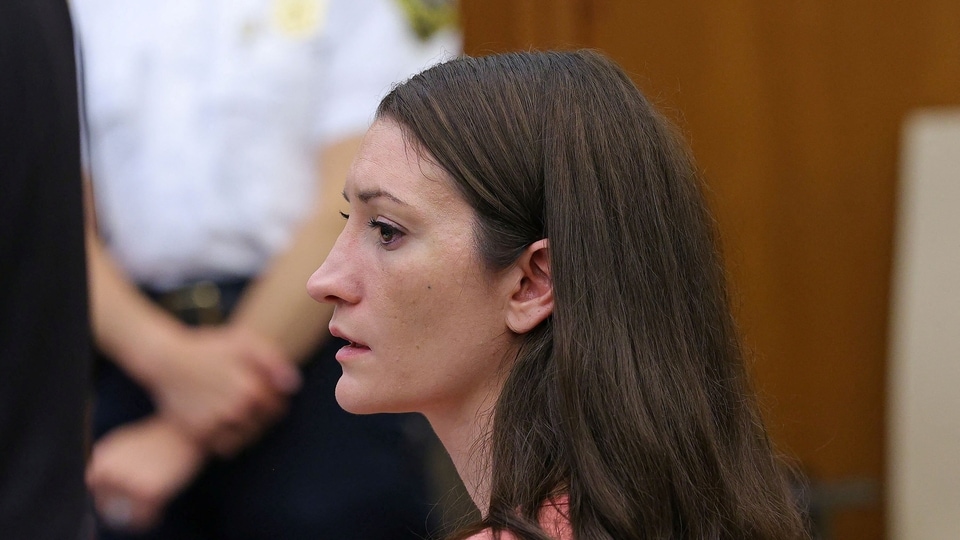
What did Lindsay Clancy tell Rebecca Jollotta in private messages?
Jollotta began treating Clancy through a postpartum program at South Shore Health on November 29, 2022. Clancy was then about six months postpartum with her third child and was struggling to sleep and control her anxiety.
The messages show that Clancy repeatedly asked for help. On November 30, she wrote, “What I’m really feeling is I cannot go on this way.”
Deep Dive

The next day, she raised concerns about starting new medicines and their possible side effects. On December 2, she told Jollotta she had taken Remeron, an antidepressant also used to help with sleep, but later woke up with intrusive thoughts.
“I woke up at 12.15 and had intrusive thoughts - of wanting it all to be over,” she wrote.
Clancy also believed she might be dependent on Ativan and wanted to discuss that concern with someone who could help her.
“I really need to explore the option that I am addicted to Ativan,” she wrote.
“I feel addicted to it, and I feel like I’m not being heard that that is a possibility.”
She also wrote, “I feel completely numb.”
Later that day came the message about feeling like she was going to die. She followed it by asking whether her symptoms would improve.
“I have never felt anything like this before.”
“Do you think my symptoms will go away?”
What did Rebecca Jollotta say about Lindsay Clancy’s suicidal thoughts?
Jollotta testified that Clancy had spoken about intrusive thoughts of suicide and “wanting to die.” However, the nurse said she did not believe Clancy’s comments at the time amounted to suicidal intent.
Instead, Jollotta believed Clancy was dealing with postpartum depression. She told her that the symptoms were “very treatable” and reassured her that intrusive thoughts were “quite common” among women with postpartum depression and “mean nothing about you as a mother.”
Jollotta later recommended inpatient psychiatric treatment because Clancy was having “persistent, intrusive thoughts of suicide.” Clancy voluntarily entered McLean Hospital on New Year’s Day and remained there for five days.
According to Jollotta’s testimony, Clancy did not tell her that she had a plan to kill herself or that she wanted to harm her children.
The nurse also said Clancy often stopped medicines early because she feared their side effects. During one appointment, Clancy said she had gone 48 hours without sleep but did not feel tired. Jollotta said this made her consider whether bipolar disorder could be involved. Patrick Clancy, who was present during the appointment, responded, “My wife is not bipolar.”
What do the messages mean for Lindsay Clancy’s murder trial?
The private messages have become important because prosecutors and the defense disagree sharply over Clancy’s mental state before the deaths.
Clancy has pleaded not guilty to charges over the deaths of Cora, Dawson and Callan. Her defense argues that she was suffering from severe postpartum psychosis and that her mental condition, along with medication problems, affected her ability to understand what she was doing. Prosecutors dispute that account and are seeking a first-degree murder conviction.
Recent testimony has also focused on whether the doctors and other providers treating Clancy fully understood what she was experiencing. Jollotta acknowledged during questioning that she had not contacted Clancy’s other providers to obtain their records or information about her treatment.
The latest testimony therefore gives jurors a detailed look at Clancy’s own words weeks before the deaths. The messages show that she was openly describing fear, numbness, insomnia and thoughts about dying, while the trial now asks whether those warnings were understood correctly.