
 E-Paper



Curious case of ISKP emir Aslam Farooqui and Pak links
While ISKP has claimed responsibility for the dastardly Kabul airport attack and shown to be the sworn enemy of the Taliban, both the groups derive sustenance from their second home that is Pakistan.

 Prefer HTon Google


It has now been said that the so-called Islamic State Khorasan Province (ISKP), which has claimed responsibility for dastardly suicide bombings at Kabul airport killing more than 103 persons, is a rival of the Taliban, but the curious case of ISKP chief Aslam Farooqui shows that lines are totally blurred. And yet again the links of all the principal terrorist organizations go back to Pakistan. At least 13 US service personnel including 12 Marines have been killed in the bombing with scores injured.
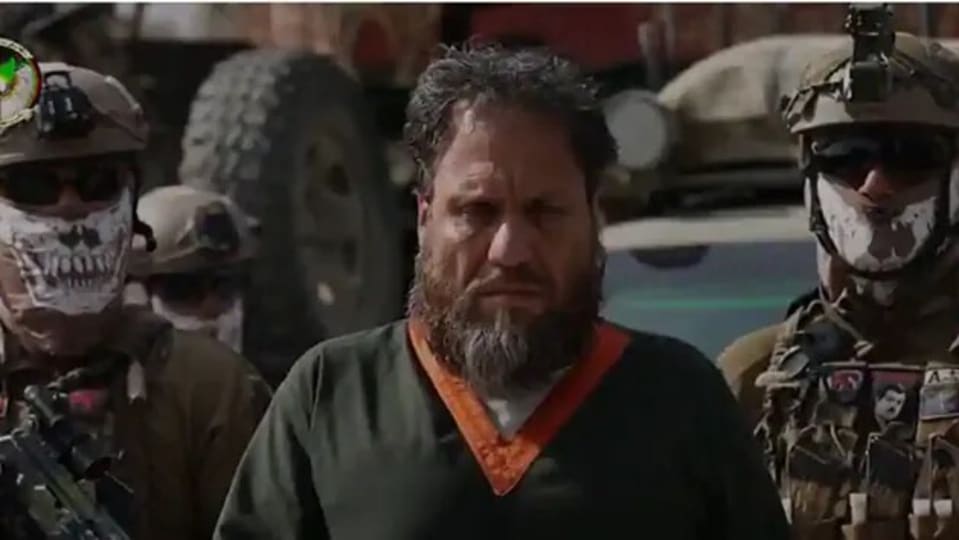
While US President Joe Biden has promised to hunt the killers of Kabul airport bombings, the so-called ISKP has released the name and photo of one of the suicide bombers as Abdul Rahman Al Logari and claimed credit for breaching the airport perimeter security managed by the ruling Taliban and US forces. From the ISKP claim letter, the actual targets were US forces and their Afghan allies identified as spies, not the Taliban. The Kabul airport attack shows that Afghanistan will remain a swamp of terrorists and terrorism for time to come and even the keys to ISKP lie in Rawalpindi as revealed by Aslam Farooqui, the chief perpetrator of the March 27, 2020, Kabul Gurudwara attack.
Also read | 'We will hunt you down': Biden to Kabul attackers
On April 4, 2020, the Afghan National Security Directorate (NDS) arrested Mawlawi Abdullah aka Aslam Farooqui, the so-called emir of ISKP, in Nangarhar province for the Kabul gurdwara attack in which one Indian and 26 Afghan Sikhs were killed. A Pakistani national, Farooqui was earlier associated with Lashkar-e-Taiba (LeT), which operates in collaboration with the Haqqani network in Kabul and Jalalabad, and the Tehreek-e-Taliban Pakistan before he took over as ISKP chief in April 2019 after replacing Mawlawi Zia-ul-Haq aka Abu Omar Khorasani. A Mamozai tribesman from the Orakzai agency on the Pak-Afghan border, Farooqui was arrested along with four other Pakistani nationals. A Kasargod, Kerala, resident Muhsin Tikripur was killed in the Gurudwara attack.
After the Taliban over-ran Kabul, Farooqui was released like other terrorists from Afghan jails. He was last lodged in the Bagram jail.
Also read | Saleh says Taliban denying ISIS link is like Pak denial on Quetta Shura
What is interesting about Farooqui is that while India was denied permission by the coalition forces to interrogate, the Pakistan Foreign Ministry sought custody of the ISKP chief ostensibly on the grounds that he was involved in anti-Pakistan activities. The fact is that the Afghan ambassador to Pakistan was summoned by the Pakistan Foreign Office and the demand to hand over Farooqui was conveyed as the fear was that the ISKP chief would spill out all his affiliations with the Pakistani deep state. However, thanks to the institutionalised channels between the Pakistan and UK intelligence agencies, Farooqui was apparently never interrogated on those lines. The then Afghan government rejected the Pakistani demand and made it clear that Farooqui would be tried under Afghan laws as he had committed crimes against the Hazara Shias and Sikhs.
Even though the Taliban does not recognize the presence of TTP in their second home or Pakistan, the two terrorist groups operate on both sides of Durand Lines with the US as their common enemy. The Farooqui case shows that terrorist groups in the Af-Pak region may operate with different brand names but the product and factory are the same.


