
 E-Paper



Elon Musk's latest prediction: Singapore, many other countries are going extinct
"Singapore (and many other countries) are going extinct," Elon Musk said in a post on X.

 Prefer HTon Google


Billionaire Elon Musk, known for his futuristic visions, recently claimed that Singapore's low birth rate is an alarming sign and the country is on the verge of extinction.
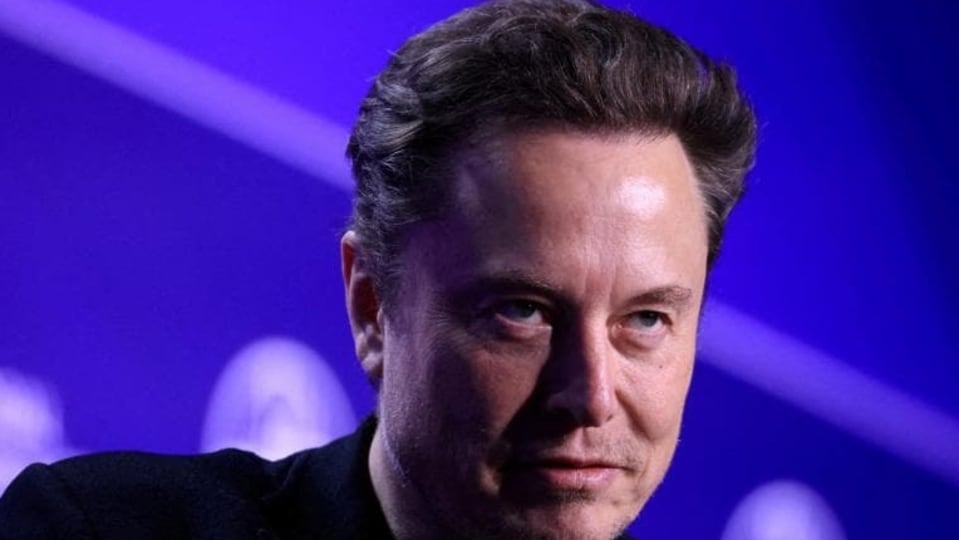
"Singapore (and many other countries) are going extinct," Elon Musk said in a post on X (formerly Twitter) in response to an article discussing Singapore's "baby crisis" and the potential role of robots in mitigating its effects.
Birth rates are retreating and, in Singapore and some other major economies, are well below levels historically regarded as desirable. According to a Bloomberg report, the rate in South Korea sank to 0.7 last year, Singapore’s dipped below 1 for the first time, and Japan’s edged down to a record 1.2. China, whose abundant and inexpensive labor reshaped supply chains in the 1990s, and turned the country into the workshop of the world, is wrestling with a population drop.
Elon Musk's take
Musk remark about “Singapore going extinct” was a part of a conversation about the falling fertility rate in the Little Red Dot, which in 2023 fell to a historic low of 0.97 children per woman.
The tech titan made the comment in response to a tweet that raised concerns about an ageing population. "More seniors, fewer workers, and a shrinking labour force," the article said, adding that robots could be able to help with the labour crisis.
With over 41 million views, Elon Musk's assertion swiftly gained popularity and sparked mixed response among Singaporean internet users.
The billionaire's views shouldn't be taken seriously, claimed some. Others, however, agreed, stressing that a fertility rate of 0.97 is not long-term viable.
One X user acknowledged Musk's argument that the "original locals" would someday become extinct but proposed immigration as a solution to Singapore's demographic problems.
However, another retorted that the majority of Singapore's so-called "original locals" are really immigrants themselves.
Also read: Elon Musk reportedly spent over $250 Million supporting Donald Trump’s presidential campaign
Singapore's low birth-rate problem
Singapore’s low birth rate was despite the island nation trying various ways to arrest the declining numbers, including providing financial assistance to defray the cost of having babies, and recently easing egg freezing rules and boosting parental leave support. That trend comes at a time when its population is aging rapidly.
About one in five Singaporeans were aged 65 and above in June, the report showed, even as the city-state separately estimated that proportion to change to one in four by 2030.
Still, the challenge of a shrinking fertility rate and an aging society isn’t unique to Singapore. Many developed countries, as well as developing nations in Asia, are grappling with a similar situation.
Singapore, which has been counted as one of the six places on earth known for people with the longest and healthiest lifespans, retained its reputation as a “blue zone.” The number of citizens aged 80 and above increased by to 142,000 in 2024 from 85,000 in 2014, the report showed.


