
 E-Paper



Unique oil-eating bacteria found in world’s deepest ocean trench
The Mariana Trench is located in the Western Pacific Ocean and reaches a depth of approximately 11,000 metres. By comparison, Mount Everest is 8,848 metres high.

 Prefer HTon Google


Scientists have discovered a unique oil eating bacteria in the Mariana Trench, the deepest part of the Earth’s oceans, a finding that may pave way for sustainable ways to clean up oils spills.
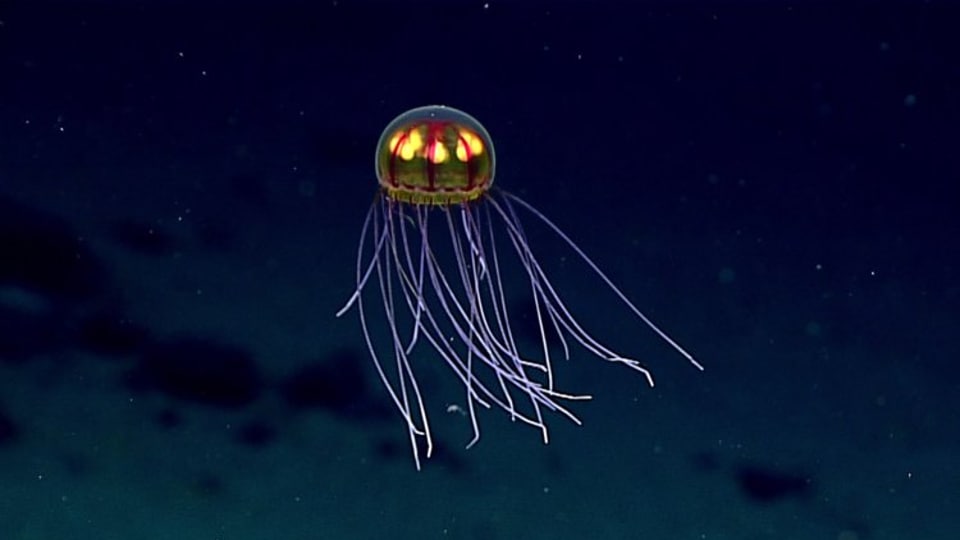
The Mariana Trench is located in the Western Pacific Ocean and reaches a depth of approximately 11,000 metres. By comparison, Mount Everest is 8,848 metres high.
“We know more about Mars than the deepest part of the ocean,” said Xiao-Hua Zhang of the Ocean University in China, who led the study.
To date, only a few expeditions have investigated the organisms inhabiting this ecosystem.
One of these expeditions was organised and led by noted marine explorer and Academy Award-winning film director James Cameron, who built a specialised submersible to collect samples in the trench.
“Our research team went down to collect samples of the microbial population at the deepest part of the Mariana Trench -- some 11,000 metres down. We studied the samples that were brought back and identified a new group of hydrocarbon degrading bacteria,” said Jonathan Todd, from the University of East Anglia in the UK.
“Hydrocarbons are organic compounds that are made of only hydrogen and carbon atoms, and they are found in many places, including crude oil and natural gas,” Todd said in a statement.
“So these types of microorganisms essentially eat compounds similar to those in oil and then use it for fuel. Similar microorganisms play a role in degrading oil spills in natural disasters such as BP’s 2010 oil spill in the Gulf of Mexico,” he said.
“We also found that this bacteria is really abundant at the bottom of the Mariana Trench,” he added.
In fact, the team found that the proportion of hydrocarbon degrading bacteria in the Trench is the highest on Earth.
The scientists isolated some of these microbes and demonstrated that they consume hydrocarbons in the laboratory under environmental conditions that simulate those in the Mariana Trench.
In order to understand the source of the hydrocarbons ‘feeding’ this bacteria, the team analysed samples of sea water taken at the surface, and all the way down a column of water to the sediment at the bottom of the trench.
“We found that hydrocarbons exist as deep as 6,000 metres below the surface of the ocean and probably even deeper. A significant proportion of them probably derived from ocean surface pollution,” Nikolai Pedentchouk, from University of East Anglia.
“To our surprise, we also identified biologically produced hydrocarbons in the ocean sediment at the bottom of the trench. This suggests that a unique microbial population is producing hydrocarbons in this environment,” he added.
“These hydrocarbons, similar to the compounds that constitute diesel fuel, have been found in algae at the ocean surface but never in microbes at these depths,” Pedentchouk said.
The hydrocarbons may help microbes survive the crushing pressure at the bottom of the Mariana Trench, which is equal to 1,091 kilogrammes pressed against a fingernail, researchers said.
“They may also be acting as a food source for other microbes, which may also consume any pollutant hydrocarbons that happen to sink to the ocean floor. But more research is needed to fully understand this unique environment,” said David Lea-Smith, from University of East Anglia.


