
 E-Paper



US court orders Facebook to release data related to violence against Rohingya in Myanmar
Facebook has been refusing to release data on violence against Rohingya, citing a US law which bars electronic communications companies from disclosing user information

 Prefer HTon Google


A US federal judge has ordered social media platform Facebook to hand over records related to accounts it had shut down in 2018 and were linked to the anti-Rohingya violence in Myanmar, Reuters reported on Thursday.
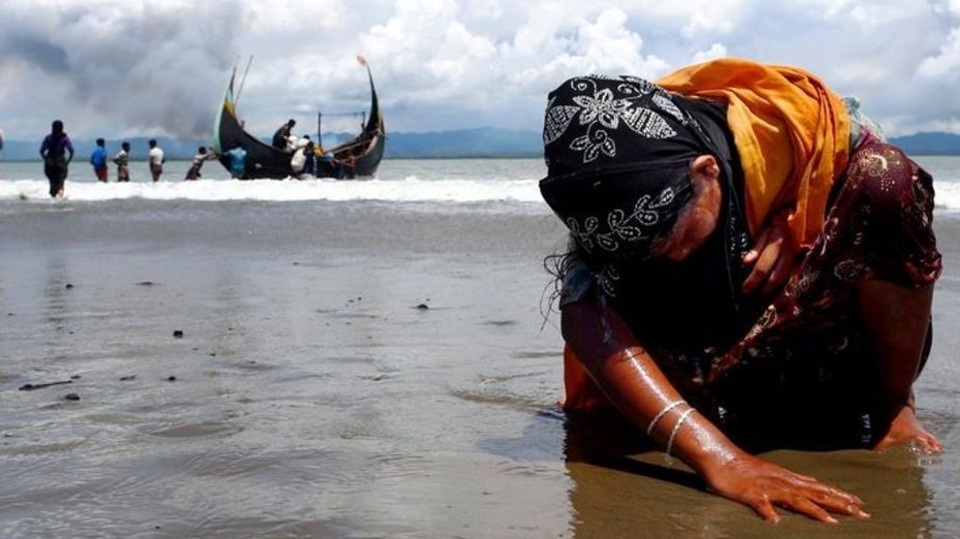
The judge in Washington DC criticised Facebook for failing to hand over critical data to investigators seeking to prosecute the country for international crimes against the Muslim minority Rohingya, rejecting the tech monopoly’s arguments of protecting privacy as “rich with irony”.
"Facebook taking up the mantle of privacy rights is rich with irony. News sites have entire sections dedicated to Facebook's sordid history of privacy scandals," the judge said in the ruling.
Facebook has been refusing to release data on violence against Rohingya, citing a US law which bars electronic communications companies from disclosing user information, but the judge ruled since the accounts were deleted, they would not be covered under the law and not sharing the content would "compound the tragedy that has befallen the Rohingya".
The Rohingya, who have been described by United Nations (UN) Secretary-General Antonio Guterres as "one of, if not the, most discriminated people in the world", are one of the many ethnic minorities in Myanmar. Majority of Rohingya Muslims used to reside in Rakhine state prior to their exodus in August of 2017. After the crackdown by the Myanmar military, also known as Tatmadaw, during the rule of Nobel laureate Aung San Suu Kyi's civilian government more than 730,000 Rohingya Muslims fled the country to neighbouring countries like Bangladesh.
The Myanmar army was believed to have carried out mass killings and rapes of Rohingya Muslims. A report published by UN investigators in August 2018 found Myanmar's military guilty of carrying out mass killings and rapes with "genocidal intent".
Also Read: Myanmar junta leader casts doubt on return of Rohingya refugees
Gambia, a small Muslim-majority nation in West Africa, has taken up the cause of violence against Rohingya in the International Court of Justice (ICJ), accusing Myanmar of violating the 1948 UN Convention on Genocide, and wants data from Facebook to fight the case.
The New York Times published a report in October 2018, unearthing how members of Myanmar military had turned Facebook “into a tool of ethnic cleansing” by putting up fake posts on how Islam was a global threat to Buddhism, and a false story about the rape of a Buddhist woman by a Muslim man.
The report also found that Myanmar military exploited Facebook's wide reach to create a hate campaign against the country's Muslim minority Rohingya population that goes back half a decade. While Facebook did take down these social media accounts run by military personnel in August of 2018 the actual extent of the damage caused by it remains unknown.
These posts and accounts which since then have been deleted have been held responsible for turning a majority of the population indifferent to what was inflicted on the Rohingya. In 2018, UN human rights investigators said Facebook had played a key role in spreading hate speech that fuelled the violence.


