Coca-Cola has agreed to use real cane sugar in its drinks sold in the US, President Donald Trump announced on Truth Social.
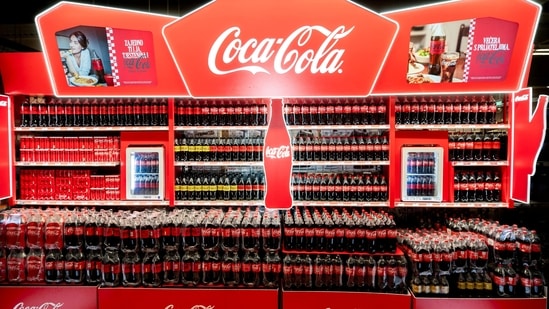
“I have been speaking to Coca-Cola about using REAL Cane Sugar in Coke in the United States, and they have agreed to do so. I’d like to thank all of those in authority at Coca-Cola. This will be a very good move by them — You’ll see. It’s just better!,” Trump wrote on his social media platform.
What did Coca-Cola use in its drinks before?
Coca-Cola uses corn syrup in its American products, but this has been flagged by Trump's Health Secretary Robert F Kennedy Jr, who voiced concerns about the health impact.
How does corn syrup impact health?
{{/usCountry}}Coca-Cola uses corn syrup in its American products, but this has been flagged by Trump's Health Secretary Robert F Kennedy Jr, who voiced concerns about the health impact.
How does corn syrup impact health?
{{/usCountry}}Corn syrup, which Coca-Cola normally puts in its drinks, might lead to obesity. A paper titled Potential Health Risks From Beverages Containing Fructose Found in Sugar or High-Fructose Corn Syrup explores the health impacts and notes, “Several meta-analyses have shown a relationship between the consumption of sugar-sweetened soft drinks and obesity.”
It further adds, “The relation of these beverages to obesity can be attributed to the increased caloric intake and to the fact that beverages do not suppress the intake of other foods to an appropriate degree—thus beverage calories serve as 'add-on' calories enhancing the risk of obesity.”
Also Read | Coca-Cola, to grow business, starts selling milk and protein shakes: Report
Consumption of drinks which use this corn syrup is linked to the risk of diabetes, the metabolic syndrome, and cardiovascular disease, the study notes.
Clinical trials have also provided insights, like an ‘increase in body weight, blood pressure, and inflammatory markers’, ‘increase in triglyceride levels (particularly at night), a stimulation of de novo lipogenesis, and an increase in visceral fat,’ when it comes to metabolic consequences of intaking sugar-sweetened drinks. Another study has noted that “consuming two 16-ounce sugar-containing beverages per day for 6 months can mimic many of the features of the metabolic syndrome and nonalcoholic fatty liver disease.”