A new Republican bill in the US House would sharply increase penalties for employers found to have committed serious H-1B visa violations, raising the maximum fine from $35,000 to $250,000 as the Trump administration and lawmakers intensify scrutiny of the foreign-worker program.
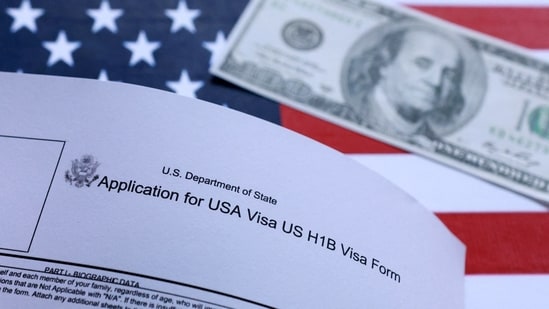
The H-1B Visa Fraud Crackdown Act, introduced by Texas Republican Rep. Beth Van Duyne on October 1, would also lengthen bans on companies that violate immigration rules.
The proposal comes amid a broader push to tighten oversight of H-1B visas, which allow US employers to hire foreign workers for specialty occupations. Van Duyne has argued that stronger penalties are needed to deter employers from abusing the program and to protect US workers.
H-1B employers could face $250,000 fine
Under the bill, penalties for serious H-1B violations would rise from $35,000 to $250,000, while the minimum period during which a violator could be barred from participating in immigration programs would increase from three years to 10 years. For another category of violations, the fine would rise from $5,000 to $100,000 and the minimum ban from two years to five years.
{{/usCountry}}Under the bill, penalties for serious H-1B violations would rise from $35,000 to $250,000, while the minimum period during which a violator could be barred from participating in immigration programs would increase from three years to 10 years. For another category of violations, the fine would rise from $5,000 to $100,000 and the minimum ban from two years to five years.
{{/usCountry}}The legislation would also increase penalties for document fraud. Fines currently ranging from $250 to $2,000 would rise to between $1,000 and $10,000. Another existing range of $2,000 to $5,000 would increase to between $20,000 and $50,000.
Van Duyne said the measure is intended to impose tougher financial consequences on employers that deliberately violate H-1B rules. She has previously called for investigations into possible H-1B fraud in North Texas.
H-1B crackdown comes amid wider Trump administration changes
The proposed legislation arrives as the administration pursues several changes to the H-1B program.
A $100,000 payment imposed in 2025 on certain H-1B workers entering the US was struck down by a federal judge in June, with the administration appealing the ruling. Separately, the Department of Homeland Security has proposed a $103,265 fee on certain cap-subject H-1B petitions, to be paid by employers in addition to existing filing fees.
The administration has also proposed changes to H-1B selection and sought to end a rule that allows certain foreign workers to remain in the US for up to 60 days after losing their jobs.
The H-1B program has become a point of disagreement within Trump's political coalition. Some immigration hard-liners have pushed for tighter restrictions, arguing that the program can displace US workers, while technology companies have defended H-1B visas as an important route for recruiting highly skilled workers from overseas.
Bill is not law yet
The H-1B Visa Fraud Crackdown Act is only a proposal at this stage. It has been introduced in the House and referred to the House Judiciary Committee. Five other Texas Republicans, Brandon Gill, Pete Sessions, Keith Self, Brian Babin and Pat Fallon, are listed as cosponsors.
The bill would need to clear the House and Senate and be signed by the president before the proposed higher penalties could take effect.
The measure is one of several congressional proposals seeking significant changes to employment-based immigration. Other bills introduced this Congress have proposed reducing H-1B admissions, changing salary requirements or altering the program's path to permanent residency.