More than 10,000 birds have been counted in a single survey on the mudflats of Bolsa Chica, highlighting the wildlife activity supported by the return of tidal exchange. According to the California State Lands Commission, the Bolsa Chica Lowlands Restoration Project created or restored nearly 600 acres of marine and wetland habitat in Orange County, California. The project was constructed as mitigation for impacts from new terminal facilities at the Ports of Long Beach and Los Angeles, which contributed $101.4 million to the project in exchange for mitigation credits. The restoration included opening a tidal basin to the Pacific in 2006 and maintaining the ocean connection.
Fish nurseries and bird stopovers
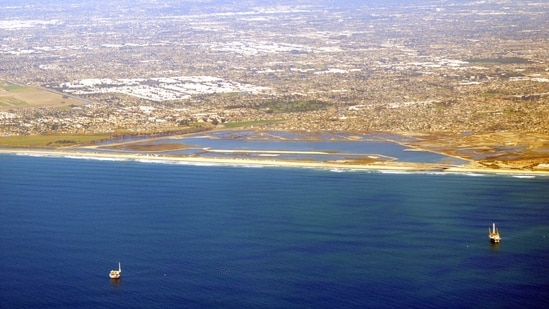
Beneath the surface, monitoring points to a functioning nursery habitat. Almost all the fish species caught included juveniles and, in many cases, adults, indicating spawning and rearing in the basin. Commercially valuable fish such as California halibut and white seabass have been found in the basin, and the site's fast facts list more than 52 fish species. Meadows of eelgrass covering roughly 100 acres provide habitat and cover for fish.
Above the wetlands, bird activity is equally lively. The Bolsa Chica wetlands are part of the Pacific Flyway and are used by migrating shorebirds, while the restored mudflats provide invertebrates that birds feed on. The inlet construction project also provided nesting habitat for western snowy plovers and California least terns, both endangered species. According to the monitoring report, the birds nested successfully at the wetlands. The restoration site supports more than 159 bird species and includes 200 acres of salt marsh.
Deep Dive
What wildlife benefits followed the reopening of Bolsa Chica to the Pacific?
How was the Bolsa Chica inlet designed to protect the wetland and nearby shoreline?
Why does the Bolsa Chica inlet need ongoing maintenance?
Creation of the inlet that will remain open
How the inlet was created is described in the article Bolsa Chica Wetlands Restoration Inlet Design by Weixia Jin and Michael McCarthy in Coastal Engineering. The article describes Bolsa Chica as a roughly 1,200-acre relic wetland whose tidal connection was disrupted in 1899 when the Bolsa Chica Gun Club constructed a dam with tide gates across the marsh. In 1925, oil was discovered beneath Bolsa Chica, and the site subsequently became an active oil field.
{{/usCountry}}How the inlet was created is described in the article Bolsa Chica Wetlands Restoration Inlet Design by Weixia Jin and Michael McCarthy in Coastal Engineering. The article describes Bolsa Chica as a roughly 1,200-acre relic wetland whose tidal connection was disrupted in 1899 when the Bolsa Chica Gun Club constructed a dam with tide gates across the marsh. In 1925, oil was discovered beneath Bolsa Chica, and the site subsequently became an active oil field.
{{/usCountry}}The design had to balance shoreline protection, endangered species, upkeep costs, and oil operations at the project's edge. Of three inlet locations considered, engineers selected the southernmost site because it caused the least disruption to beach activity and wetland resources while offering the lowest maintenance needs. The channel was designed to be 310 feet wide at mean sea level and 5 feet deep, compared with the wetland basin's 6.8-foot depth. The difference in elevation was part of the design intended to help maintain water in the basin and reduce the risk of fish stranding during extreme low tides. Before the opening, about 1 million cubic yards of clean sand from lowlands dredging was placed offshore as a prefilled ebb bar to minimize anticipated shoreline impacts from the new inlet.
The inlet project received the first Project Excellence Award from the American Society of Civil Engineers' Coasts, Oceans, Ports and Rivers Institute in 2008. The award predates the 2010 publication of the Jin and McCarthy paper, which later documented the inlet's design and early performance. Jin and McCarthy estimated that 166,667 cubic yards of sediment accumulated in the wetland basin during the first year after the inlet opened, compared with a predicted 165,000 cubic yards. They also reported that beach-width changes near the inlet remained within the range of historical seasonal variations. The first maintenance dredging took place in early 2009, about 2½ years after the inlet opened. Monitoring also found that spring low tides were more muted than models had predicted as the sand shoal grew.
Maintenance of the inlet remains an ongoing task. According to the California State Lands Commission, waves and tides continually move sand into the basin. Without ongoing removal, the inlet can close, affecting water quality, intertidal vegetation, and the food resources available to birds. The initial $15 million set aside for ongoing maintenance was considered inadequate to meet the project's long-term needs, with the State Lands Commission describing Bolsa Chica as facing a critical funding deficiency. The commission lists about $3 million in annual management costs for the Bolsa Chica wetlands.