The results of the US midterm elections could widen the gap between large technology companies and smaller artificial intelligence (AI) infrastructure firms. Possible restrictions on new data centre projects could benefit big technology companies that already have enough computing capacity while making it harder for smaller companies to expand.
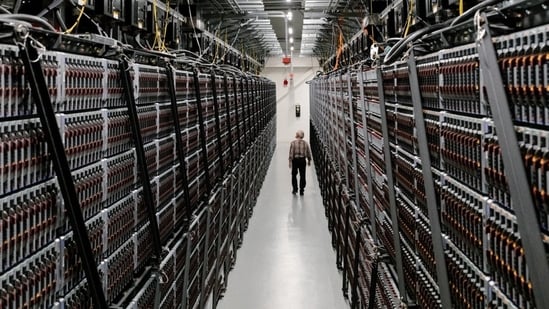
Democratic victories in key gubernatorial races have raised concerns about tighter rules for building data centres in the US. These developments have also increased investor worries about whether new data centre projects will get approval on time and how companies will pay for their construction, according to CNBC.
In Texas, Democratic governor-elect Gina Hinojosa has proposed a statewide pause on permits for new data centre projects. However, projects that are already under construction would reportedly be allowed to continue.
Deep Dive
How could US midterm election results affect AI data centre construction?
Why could data centre restrictions benefit Microsoft and Amazon?
Why are smaller AI infrastructure companies more vulnerable to data centre delays?
On Wednesday, Microsoft and Amazon shares each rose more than 6%. In contrast, shares of AI infrastructure company CoreWeave fell around 10%.
Also read: OpenAI pledges to pay full power costs for data centres after voter backlash
Why big tech companies have an advantage
Differences in borrowing costs are playing a major role in the growing gap between large technology companies and smaller AI infrastructure firms, according to James Sullivan, managing director and co-head of global fundamental research at JPMorgan.
{{/usCountry}}Differences in borrowing costs are playing a major role in the growing gap between large technology companies and smaller AI infrastructure firms, according to James Sullivan, managing director and co-head of global fundamental research at JPMorgan.
{{/usCountry}}Speaking to CNBC's Squawk Box Asia on Thursday, Sullivan said the cost of borrowing money has increased significantly for smaller cloud infrastructure companies, also known as neoclouds.
Hyperscalers have an advantage because they serve a wider range of customers and have more diversified sources of revenue. This makes it easier for them to raise money and manage financial pressure.
Sullivan said the difference in stock market performance between these companies is largely linked to the growing value of existing data centre capacity. He explained that when building new data centres becomes more difficult because of supply restrictions, companies that already have computing capacity become more valuable.
Data centre construction faces fresh risks
The midterm election results could make it more difficult for companies to get approval for new data centre projects. Tighter local rules and delays in permits could slow down construction and affect investment in AI infrastructure.
BMI warned that a major slowdown in data centre construction and AI investment could lead to a bigger-than-expected fall in overall investment. The Business Times reported this, citing BMI's analysis after the midterm elections.
However, the impact of new restrictions may differ depending on when a data centre project is expected to become operational. Much of the data centre capacity expected to become operational in 2027 is already under construction.
Also read: US stocks surge as oil plunges below $100 on Iran war hopes after Democrats' win
Investment bank Nomura highlighted this risk in a note released on Wednesday following the midterm election results. Nomura said projects scheduled for 2028 could face delays because of tighter regulations and uncertainty over whether they will receive the necessary approvals.
Smaller AI companies face a financing crisis
Shares of Nvidia-backed neocloud companies CoreWeave, Nebius and Iren each fell at least 30% in October. Investors were increasingly concerned about how these companies would raise money to fund their expensive AI infrastructure projects.
CoreWeave has also seen a sharp rise in its borrowing-related risk indicators. Its five-year credit default swap (CDS) spread has crossed 1,100 basis points.
Their financial position also makes them more vulnerable to changes in electricity prices, borrowing costs and the conditions under which they can refinance existing debt.
Big tech could gain further advantage
The growing financial pressure on smaller AI infrastructure companies could create more opportunities for large technology companies. Financially stronger hyperscalers may be able to secure data centre capacity at lower costs if weaker companies struggle to continue their projects.
They could also acquire data centre assets from smaller operators that are forced to reduce their expansion plans because of financial difficulties. This could further strengthen the position of large technology companies in the AI industry, as they would have access to more infrastructure while smaller competitors struggle to raise funds and expand.