We all love a quick fix. A leaking pipe gets taped up, a cluttered room gets shoved into a closet, and the problem seems solved. But quick fixes often have consequences that can be seen years later, sometimes on a larger scale. Nature offers us many examples. A paper by Spellman and Wurtz shows how a plant formerly used along roads is linked to more deaths among young native plants on river floodplains.
A quick roadside fix
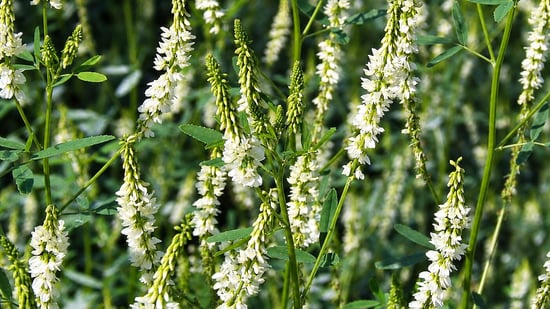
Imagine a new highway through Alaska. The soil on either side is loose and untilled and can be washed away by rain. So crews plant something that can keep the soil in place. According to the USDA Forest Service Fire Effects Information System, sweetclover likely was introduced in Alaska in 1916 during roadside revegetation, the replanting of bare ground. The plant is white sweetclover, a legume that grows well in harsh conditions, including drought and Alaska's extreme weather.
How it reached the rivers
Roads in Alaska often cross rivers, and that is important because plants do not necessarily stay where people place them. The same Forest Service review says sweetclover likely spread into river floodplains from plants growing where roads cross rivers. Once established along a river, floods can also carry its seeds farther downstream. So a plant that started at the side of a road ended up on wild riverbanks.
Deep Dive
Why was white sweetclover introduced to Alaska?
How did white sweetclover spread from roadsides to Alaska’s river floodplains?
How did white sweetclover affect native seedlings on Alaska floodplains?
What the study did
Spellman and Wurtz were interested in seeing if sweetclover has any negative impact on the native seedlings. They ran a removal experiment along two rivers in interior Alaska. They compared areas with sweetclover and without it. Areas with sweetclover had approximately 50% greater mortality of native seedlings than areas where it had been removed, a relative increase compared with those areas. These areas also had 25% fewer recruiting species, meaning fewer native plant species managed to establish themselves there. In addition, significantly less light reached the seedlings in these areas.
Was shade the cause?
{{/usCountry}}Spellman and Wurtz were interested in seeing if sweetclover has any negative impact on the native seedlings. They ran a removal experiment along two rivers in interior Alaska. They compared areas with sweetclover and without it. Areas with sweetclover had approximately 50% greater mortality of native seedlings than areas where it had been removed, a relative increase compared with those areas. These areas also had 25% fewer recruiting species, meaning fewer native plant species managed to establish themselves there. In addition, significantly less light reached the seedlings in these areas.
Was shade the cause?
{{/usCountry}}Sweetclover forms dense patches, and so the researchers then tested shade. They grew eight common floodplain species in a greenhouse under different light conditions similar to the shade under sweetclover. At first, shade did not appear to matter because the seedlings did not die during the growing season. The story changed when they kept the seedlings through the winter. Seedlings that were in shade for more of the growing season were more likely to die over the winter. Shade may be a factor, but the experiment does not prove it was the only cause.
Why it matters
Seedlings are the next generation of a plant community, so fewer survivors can slowly change the mix of plants in an area. The authors say sweetclover should be actively managed to preserve the diversity and structure of plant communities and to prevent its spread onto additional glacial rivers in Alaska. The experiment was conducted on two rivers in interior Alaska; therefore, the results may vary in other locations.
The bigger lesson
This story is not about one bad plant. It is about how a small choice can ripple outward over many years. A plant that was likely planted along roads spread to riverbanks, where native seedlings were already trying to grow. Before moving any species to a new place, it is worth considering the possible ecological effects.