E-Paper



The message in anti-superstition campaigner Kalburgi’s killing
One year ago today, noted scholar and professor MM Kalburgi was shot dead outside his home in north Karnataka’s Dharwad by suspected Hindu right-wingers for offending religious sentiments.

 Prefer HTon Google


One year ago today, noted scholar and professor MM Kalburgi was shot dead outside his home in north Karnataka’s Dharwad by suspected Hindu right-wingers for offending religious sentiments.
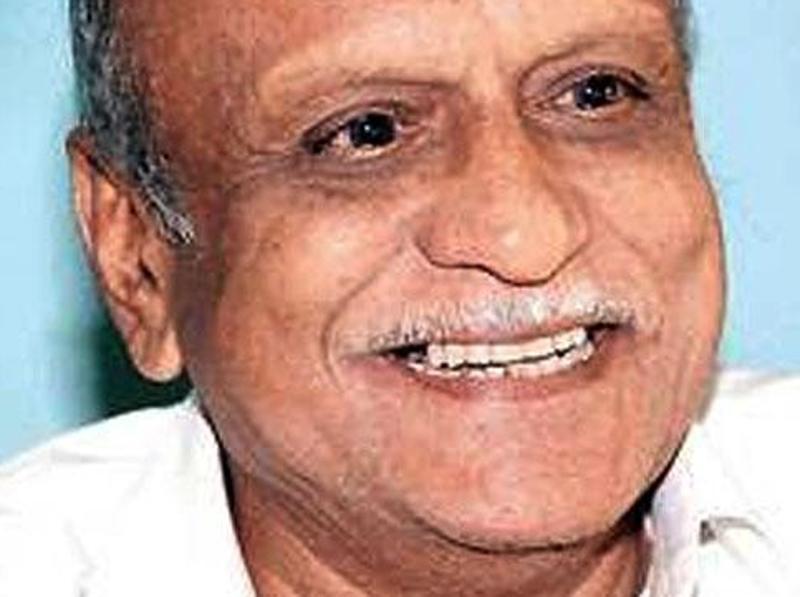
His murder was the third and last in a string of similar killings of rationalists Narendra Dabholkar and Govind Pansare and inspired top authors, scientists and filmmakers to return government awards in protest against what they called rising intolerance in the country.
But things have fizzled down since – both the government and the protesters have moved on to newer and more controversial issues – the beef ban, gaffes by ministers and mounting sedition charges. Kalburgi’s murderers are still out there and the state crime investigation department is waiting to question a suspect in the case.
The probe is going nowhere, despite a Bajrang Dal leader publicly saying anyone insulting Hinduism will die like a “dog” and warning that there would be more murders like Kalburgi’s. All this in a state ruled by the Congress.
While the principal opposition party has been vocal in Parliament and BJP-ruled states about the apparently rising hardline violence, it has done little to arrest any such growth of right wing in the states it rules.
In Karnataka – the largest of the Congress-ruled states – the government has repeatedly pandered to right-wing sentiments, the latest being sedition charges filed against Amnesty India for hosting a pro-Kashmir event. In Kalburgi’s case, the chief minister has stopped at announcing a cash reward while his CID has been repeatedly blamed for stalling the probe and not sharing details of the investigation with the CBI that is looking into Dabholkar and Pansare’s deaths.
Whatever be the rhetoric of the top leadership, on the ground there appears to be little fight-back against rising Hindu nationalism by the Congress, if its performance in Karnataka is anything to go by.
This is unfortunate because the rise of right-wing sentiments is being resisted by far-more vulnerable populations – like the Dalits in Gujarat, who form just 7% of the state’s population but have taken on the influential and powerful cow protection lobby.
Kalburgi’s murder was significant not only because a anti-superstition, rationalist ideologue was gunned down but also because the murder was brazen – the killers walked up to the writer’s home, shot him and calmly left. The level of smugness in their impunity was chilling.
The murder showed the world that India didn’t take seriously its tag of the world’s largest democracy, that it was willing to stifle dissenting voices and brought justifiable criticism to the BJP for allegedly pushing a majoritarian agenda.
But in failing to nab his killers and arrest the rise of this right-wing sentiment, the Congress has shown that it is ill-equipped to take on the mantle of the principal force against the BJP. It is no wonder that in state after state, voters have chosen regional outfits over the Congress to take on India’s ruling party. It is a real shame.