In the genteel world of diplomacy, Walid Abu Ali is unlikely to be held up as a role model for nuance and subtlety.
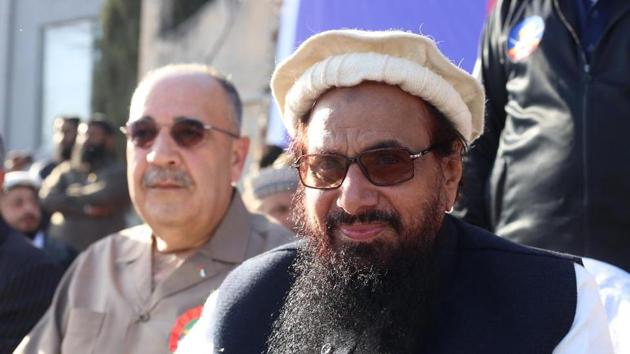
The actions of the Palestinian envoy to Pakistan on Friday were more akin to those of a man wielding a sledgehammer. In the full glare of the media, Ali shared a stage in Rawalpindi with some of the most notorious jihadi leaders, including Lashkar-e-Taiba founder Hafiz Saeed.
The purpose of the rally--the protection of Jerusalem and its religious sites--seems to be an issue dear to the envoy’s heart, especially if his Twitter timeline is any indication.
But as a diplomat, he should have paid a little more attention to the organisers of the rally--the Difa-e-Pakistan Council, an agglomeration of some of the most extreme and radical groups active in Pakistan, including elements of the anti-Shia Sipah-e-Sahaba, Jamaat-ud-Dawah and LeT.
Several of those who addressed the gathering of thousands, such as Saeed and LeT leader Amir Hamza, have been sanctioned and designated terrorists by the United States and the United Nations.
The Palestinian envoy is also no novice in Pakistan. As someone who recently completed five years in the position in Islamabad, he should be familiar with the lay of the land and the reputation of people such as Saeed, who used the rally to rake up the Kashmir issue and draw a false equivalence between it and the Palestinian cause.
For several years now, there have been credible reports of the Falah-e-Insaniyat Foundation (FiF) --designated a terror group and a front for the LeT--establishing a presence in the Gaza Strip in the guise of carrying out welfare activities. The reports have suggested that FiF activists in the area were followed by LeT recruiters.
{{/usCountry}}For several years now, there have been credible reports of the Falah-e-Insaniyat Foundation (FiF) --designated a terror group and a front for the LeT--establishing a presence in the Gaza Strip in the guise of carrying out welfare activities. The reports have suggested that FiF activists in the area were followed by LeT recruiters.
{{/usCountry}}The Palestinian envoy’s timing was way off the mark. The rally came less than 10 days after India backed a UN resolution denouncing the Trump administration’s decision to recognise Jerusalem as the capital of Israel.
And Ali’s decision to join hands with the top Pakistani jihadis came at a time when Palestinian and Indian officials are discussing a possible visit to Ramallah in February by Prime Minister Narendra Modi.
India’s vote at the UN came as a surprise to many, given the Modi government’s concerted outreach to Israel, a close ally in security and counter-terrorism. It remains to be seen how much New Delhi’s vote was influenced by US threats of action against countries that backed the resolution.
However, the Palestinian envoy in Islamabad would have been well aware that India has contributed far more than Pakistan to the Palestinian cause and people.
While Pakistani leaders have been content with paying lip service to the Palestinian cause and providing some monetary aid over the years, India has provided budgetary and project support of $60 million to Palestine in recent years. This includes $4 million provided for the reconstruction of Gaza in 2015. Hundreds of Palestinians have studied or are studying in India and New Delhi has backed development projects such as a Centre of Excellence in ICT and Innovation in Al Quds University, an ICT centre in Ramallah and a $12-million Techno Park in Ramallah.
Such aid and support does not mean Palestine’s position on crucial issues will toe India’s line, but the least New Delhi can expect is a little more sensitivity from Ramallah on India’s concerns.
That sensitivity was clearly missing when Ali decided to share the stage with Saeed and an assortment of anti-India jihadis on Friday.