New Delhi
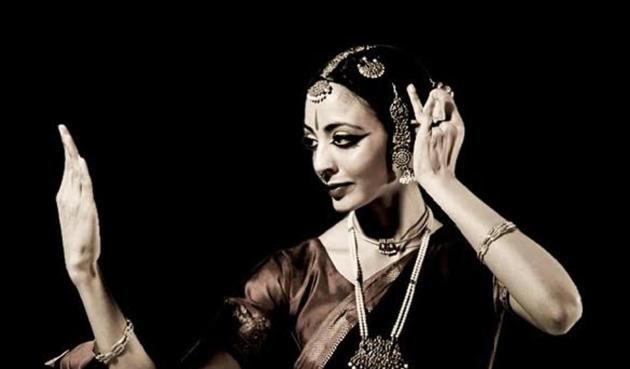
The takers of classical dances might seem to be dwindling in India but it isn’t the same abroad. Dancer-choreographer Seeta Patel from London, UK, is one of the torchbearers of Indian classical dance culture who has ensured that the art doesn’t loses its popularity. In India, for the premier tour of her show, Something Then Something Now, the Bharatanatyam danseuse talks about her art and its significance in the diaspora.
“My parents asked me if I wanted to attend a local Saturday school that was run by a member of our temple, I said yes. I was 10-years-old and had the chance to learn a language or dance, I chose dance. And after a couple of years, it got under my skin and I’ve not looked back since. It has been 26 years now,” says the 36-year-old Patel.
Presented by India Heritage Desk, the performance, Something Then Something Now, is Patel’s third solo classical with live music. “When I thought about the title for this work, I considered both the content and the form being presented. The title for me is about highlighting those things from the past that can come together in harmony with the now and create a relevant and meaningful work,” she says.
The one-and-a-half-hour long performance shows a mortal contemplating a union with the God, both physical and spiritual, a consummation both human and divine. It has a 50-minute varnam (centre piece). “The theme of this varnam, as many varnams explore, is that of love in separation. In this composition, the dancer is talking to her friend and asking her not to mess around and hinder her union with her beloved. She asked her to bring Him to her. The object of her affection in this case is Krishna. I connect to the work in terms of its human emotions,” says Seeta.
{{/usCountry}}The one-and-a-half-hour long performance shows a mortal contemplating a union with the God, both physical and spiritual, a consummation both human and divine. It has a 50-minute varnam (centre piece). “The theme of this varnam, as many varnams explore, is that of love in separation. In this composition, the dancer is talking to her friend and asking her not to mess around and hinder her union with her beloved. She asked her to bring Him to her. The object of her affection in this case is Krishna. I connect to the work in terms of its human emotions,” says Seeta.
{{/usCountry}}“Classical art forms have the possibility to be mined and refined and pushed in a way that looks within the art,” she says adding, “However, it takes time and patience to cultivate audiences especially in the diaspora. I am slowly but surely building this interest in my classical practice. The roots of all my work in any genre come from my classical training. And this is where I feel I am best represented.”