More than 18,000 farmers committed suicide in the past one-and-a-half decades in Madhya Pradesh that has an agrarian economy, the latest data of the Madhya Pradesh Crime Records Bureau has revealed.
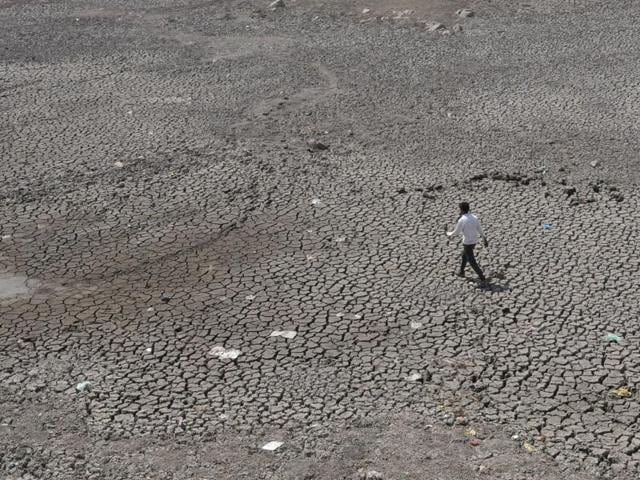
The data states that every day, more than three farmers committed suicide for past 15 years in the state. Between 2001 and 2015, 18,687 farmers committed suicide in the state, the data revealed.
Agriculture experts say that the reasons for the farmer distress in the state were crop failure due to scanty rainfall, droughts or hailstorms that damage crops.
This badly hits the village economy, forcing many farmers either to rush to urban areas to work as labourers or take loan from local lenders, who later pressurise them for repayment.
The poor monsoon, in a row for more than decade and a half, has been a cause for worry as nearly 72% of cultivated area in the state is rain-irrigated and when rain is deficient or fails, it hits farmers badly.
In the last decade-and-a-half, Madhya Pradesh has been rain deficient almost every year, except for 2013-14, when the state received above average rainfall.
{{/usCountry}}In the last decade-and-a-half, Madhya Pradesh has been rain deficient almost every year, except for 2013-14, when the state received above average rainfall.
{{/usCountry}}Every year, Madhya Pradesh receives an average rainfall of 1,132 ml, most of it from the south western monsoon between September and June.
A recent agriculture economic survey released by the state government, states that below average rainfall for the past decade and a half, affected agriculture in the state.
Experts say linking farmer suicides to deficient rainfall or crop failure was a very simple way to analyse farmer suicides.
‘Farmers don’t have any income security’
Devinder Sharma, an agriculture expert, said farmers were being driven to commit suicide as they have been deliberately kept impoverished. “Farmers don’t have any income security. We buy food from them at cheap rates to ensure inflation remains under check,” he said.
“But the gap between their income and that of the government employees is increasing. Since 1970, the income of the farmers (minimum support price of wheat) has increased just 19 times, while the income of the government employees has increased 120 to 150 times and that of professors has increased 150 to 170 times, ” said Sharma, who heads the Delhi-based Forum for Biotechnology and Food Security.
The government should shift its focus from profit-oriented agriculture to food security-oriented agriculture at the village level, said Sachin Jain, another analyst. “Climate change or deficient rainfall was a factor in farmer suicides, but the correlation between the two is not simple and involves complex issues,” he said.
“The main factor that drives a farmer to suicide is his income insecurity. Small and marginal farmers in the state primarily grow crops for their own consumption and sell what is left, but over the past decades the government has pushed a policy of agriculture for profit, encouraging farmers to grow cash-rich crops,” Jain added.
“When a farmer grows cash-rich crop and if the crop fails he gets trapped in vicious cycle of debt,” he said. “So the famer is forced take the extreme step.”
Agrarian crisis
Latest data states that between 2001 and 2015, 18,687 farmers committed suicide in the state
Year Number of suicides
2001 1372
2002 1340
2003 1445
2004 1638
2005 1248
2006 1375
2007 1263
2008 1379
2009 1395
2010 1237
2011 1326
2012 1172
2013 1090
2014 826
2015 581