The hullabaloo around Padmavat, the film, has finally settled. And it might just be the right time to talk about Padmavati: The Queen Tells Her Own Story, the book, written by Sutapa Basu, because her rendition of the story of the Queen of Chittor is as vivid and intriguing, as a moving picture.
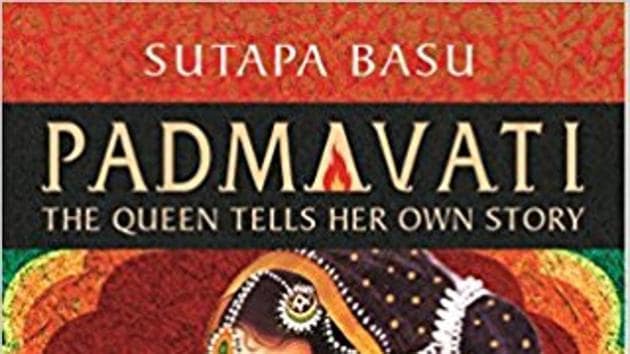
The opening chapter, that describes an exquisitely beautiful Padmini meditating, as she waits for the fire of Jauhar to engulf her, is captivating. Basu is a fantastic writer. She tells the story through the voice of Padmini’s best friend and her confidante, through a wali or scripture that the queen apparently leaves behind with notes from her life.
The princess narrates her journey from her days in her father’s kingdom, where she has a liberal, empowered upbringing, to being the Queen of Chittor, where despite her husband’s constant support, needs to prove her allegiance to the people of the Rajput kingdom.
All through the book, Basu shows Padmini in a bright light - a woman ahead of her times, wise and incredibly beautiful - inside-out. The character seems real, modern and aspirational. The love story of Padmini with her husband Ratan Singh, the ruler of Chittor, which explains why she takes the extreme step of ending her life, when he dies in battle, is portrayed sensuously. There is an incredible twist at the end, which is the icing on the delicious read.
{{/usCountry}}All through the book, Basu shows Padmini in a bright light - a woman ahead of her times, wise and incredibly beautiful - inside-out. The character seems real, modern and aspirational. The love story of Padmini with her husband Ratan Singh, the ruler of Chittor, which explains why she takes the extreme step of ending her life, when he dies in battle, is portrayed sensuously. There is an incredible twist at the end, which is the icing on the delicious read.
{{/usCountry}}