
 E-Paper



Review: The Man Who Became Cinema; Dilip Kumar by Ashok Chopra
A masterful method actor, Dilip Kumar’s reach has been unparalleled. This book is an exploration of how one man’s characterizations dominated Hindi cinema

 Prefer HTon Google


Dilip Kumar’s enduring legacy lies in just 57 films over a five-decade long career. Vyjayanthimala, his co-star in seven hugely successful films, once remarked, “The icon’s influence on each generation has been such that there is a Dilip Kumar in every successful actor in Indian cinema”. In the world of cinematic artistry, he is known for his trailblazing ‘method acting’.
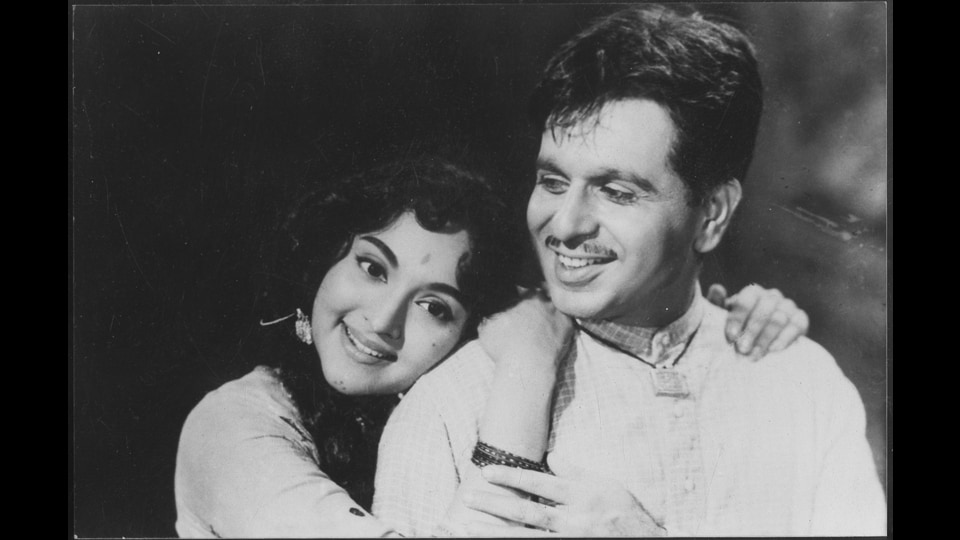
Though his acting brought about a revolutionary change in the portrayal of characters on screen, its method was tough, complex, and very taxing. While unforgettable classics such as Devdas (1955), Gunga Jamuna (1961) and Mughal-e-Azam (1960) depict layers of emotion in each character, it is the legendary actor who took on the most strain, both emotionally and physically.
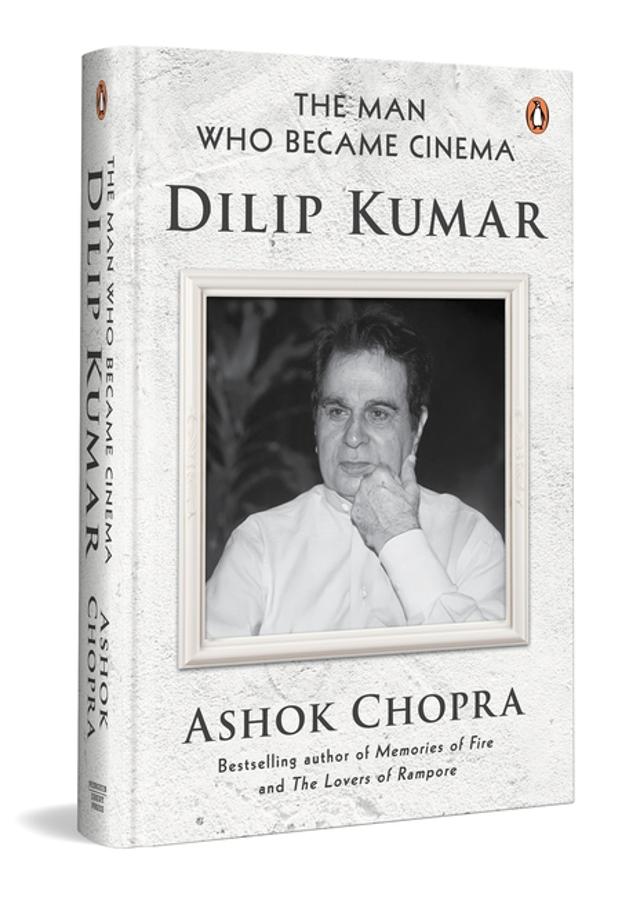
The discipline itself is attributed to the Russian visionary Konstantin Stanislavski who rejected the stylized theatrical conventions and instinctual acting of an earlier era. He argued that merely mimicking gestures and intonations wouldn’t suffice in portraying a character’s inner world. Instead, method acting focused on the art of experiencing, enabling actors to acquire their character’s internal turmoil and package it into a convincing external expression. Dilip Kumar excelled in exactly this as is evident in the intriguing character he plays in Aadmi (1968).
Improvising his method acting as an antithesis to the widely followed classical style of acting, the characters he portrayed carried a strong social bearing and his own acting style was rooted in a kind of cultural rediscovery that helped the character acquire the ability to observe the peculiarities and happenings in society. Employing such cultural memory, Dilip Kumar was able to locate his character in a definite sociocultural milieu.
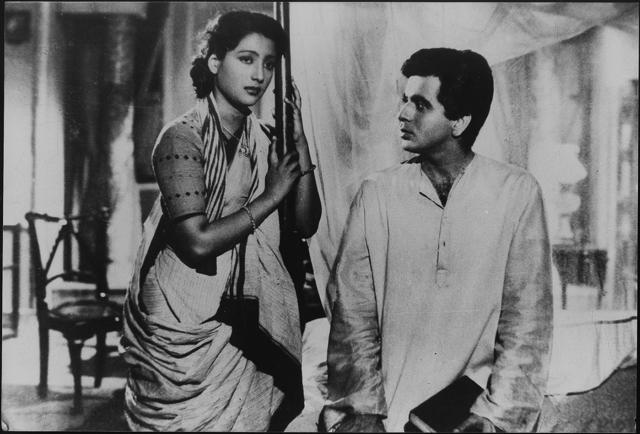
The Man Who Became Cinema is neither a biographical account of the star nor a piece of academic research. Instead, it is an authentic exploration of how an actor’s characterizations dominated film making. Deep involvement and profound commitment to the character he was playing led Dilip Kumar to develop serious psychological issues. Indeed, the problem became so acute that he had to seek treatment from a noted British psychotherapist, who advised him to switch to comic roles. The change was momentous. In Kohinoor (1960), Ram aur Shyam (1967) and Gopi (1970), to name a few, Dilip Kumar displayed his comic sense superbly.
Songs have remained an integral part of Indian cinema ever since the first talkie Alam Ara was released in 1931, A lover of poetry, Dilip Kumar was sensitive to the nuances of the lyrics and the tunes. No wonder some of the most mellifluous songs were picturised on him. Even in the provocative Jab pyar kiya to darna kya number, the viewer learns that there could be immense power in silence, by the stillness and composure of the character of Prince Salim. His silence conveyed a lot more than words. Simply put, he is unforgettable.
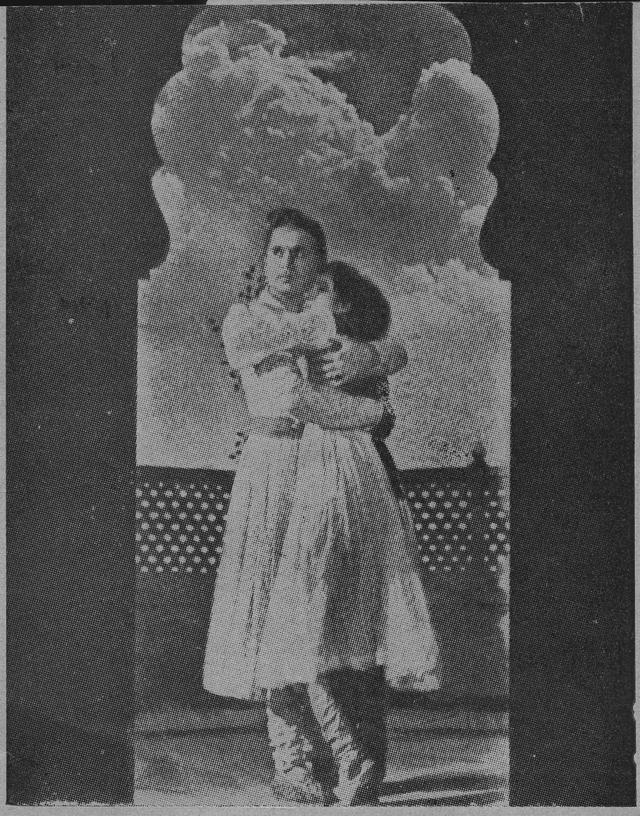
Ashok Chopra points out that Dilip Kumar’s reach has remained profound, timeless and unparalleled. Exploring each of his cinematic characters intricately grouped in six different categories – film by film and frame by frame – the author develops an understanding of how the actor exhibited his formidable capacity to innovate and improvise.
Chopra also unearths the ‘visual verbal personality composite’ through the complex mechanism by which film dialogues were delivered. Incidentally, Dilip Kumar was the only actor to have integrated audio and visual in a scene. What finally gets conveyed to the viewer is not the words and their meanings, but a strange modulation of the sounds of these words by the emotions being conveyed. This was an altogether new cinematic approach. The nuances of this blending of verbal with visual is unique to his acting style, There is so much to his method that each frame reveals only a part of it. In his mediation with the audience, Dilip Kumar becomes a memorable vehicle for an intense emotional experience. Such is his range that he lets his co-actors and viewers get cinematic clarity in different roles.
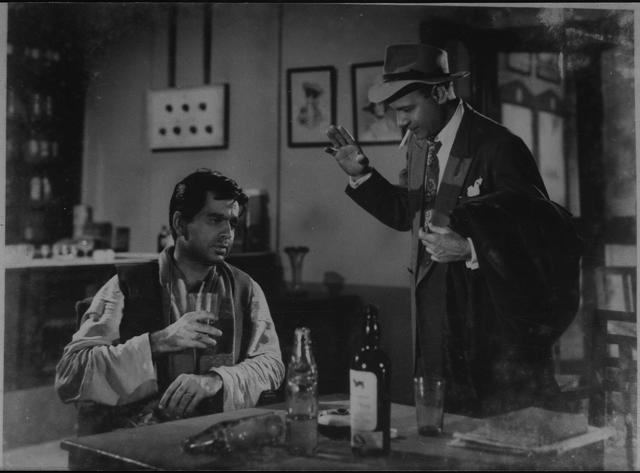
No wonder many of his films are considered masterpieces to be seen and studied. Before director Ramesh Sippy began work on Saagar (1985), actor Kamal Haasan was asked to watch Dilip Kumar’s Gunga Jamuna. “There are several nuances that every actor should compulsorily watch to understand the meaning of subtlety,” asserts Kamal Haasan. While it is not easy for every actor to achieve the brilliance that Dilip Kumar could, it is definitely something to which an actor should aspire.
The Man Who Became Cinema is a must-read for film buffs and for those intent on celebrating the timeless legacy of an enigma.
Sudhirendar Sharma is an independent writer, researcher and academic.


