
 E-Paper



India, Indonesia launch project to restore 9th-century Prambanan Temple
India and Indonesia have launched a landmark project to restore the 9th-century Prambanan Temple, a UNESCO World Heritage Site near Yogyakarta.

 Prefer HTon Google


India and Indonesia have launched a landmark project to restore the 9th-century Prambanan Temple near Yogyakarta, one of Southeast Asia’s most important Hindu heritage sites and a UNESCO World Heritage Site known for its exquisite Ramayana sculptures.
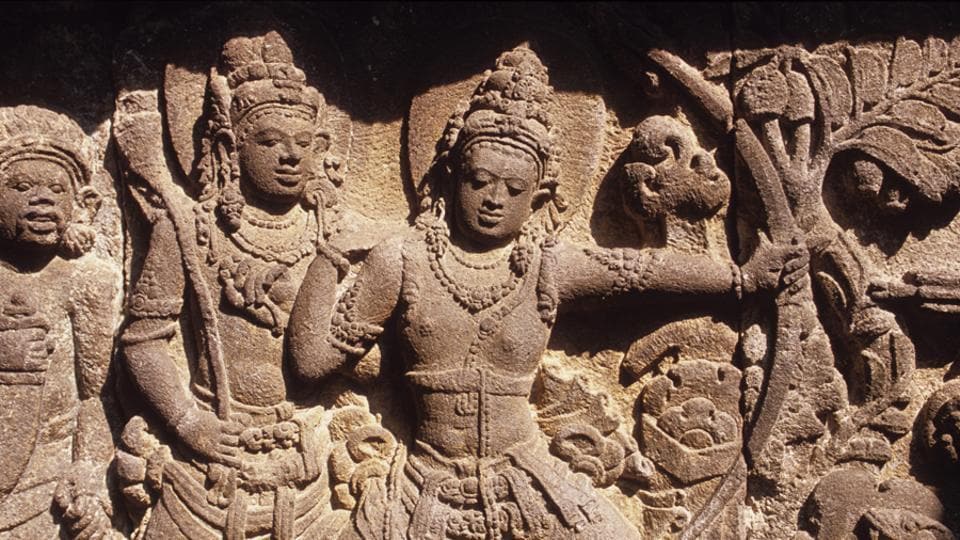
The temple, which houses three grand shrines dedicated to Brahma, Vishnu and Shiva, is also home to a famed Ramayana tradition that continues through its elaborate dance ballet performances.
This beautiful temple dates to the 9th century and is the second-largest Hindu temple in Southeast Asia, after the Angkor Wat Temple in Cambodia.
The Parmanand Temple (widely known as Prambanan) was originally built around 850 CE during the reign of King Rakai Pikatan of the Sanjaya Dynasty in Java, Indonesia. It was later expanded by subsequent kings and is today a UNESCO World Heritage Site.
The Ramayana Ballet at the Prambanan Temple is a spectacular traditional performance.
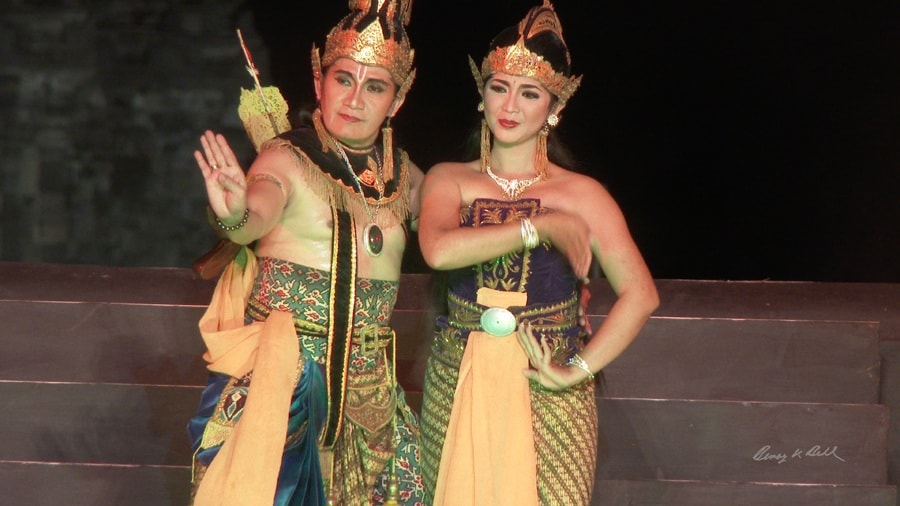
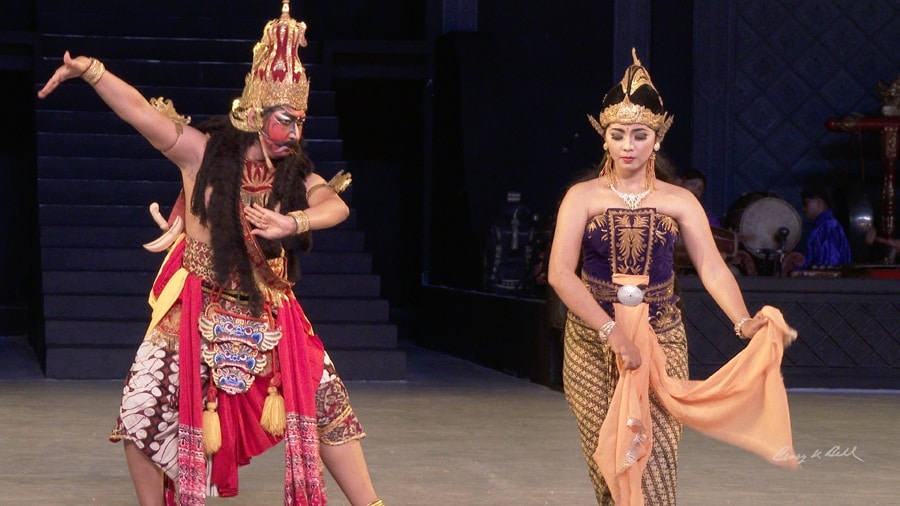
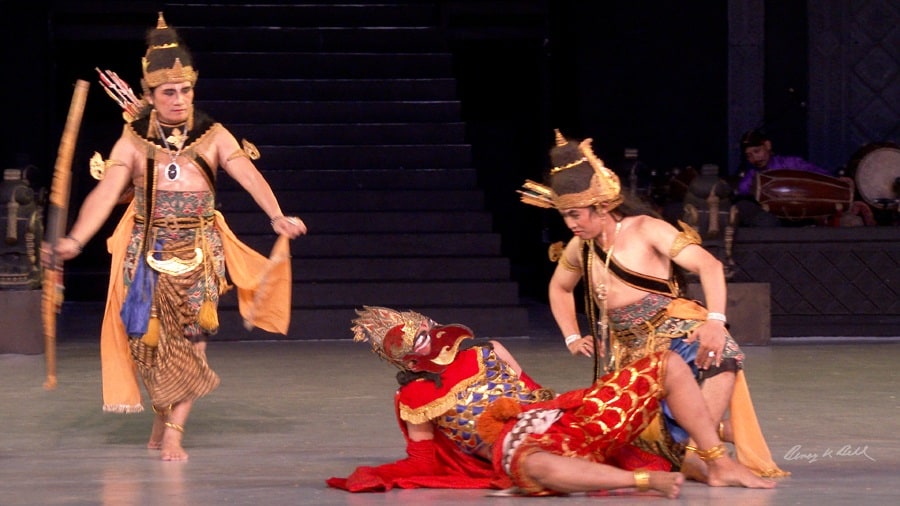
It brings the Hindu epic to life with over 200 professional dancers and gamelan musicians against the backdrop of the illuminated temples. The epic story is performed over 150 times every year and keeps the grand tradition alive.
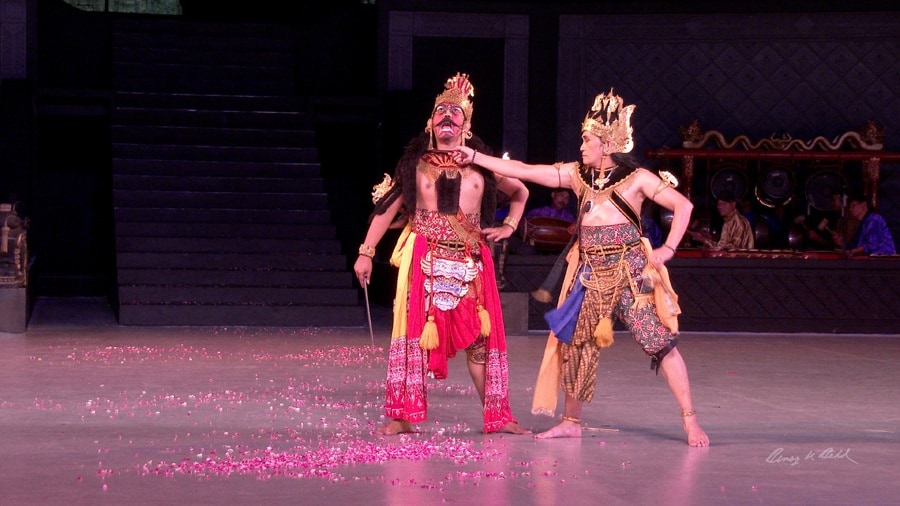
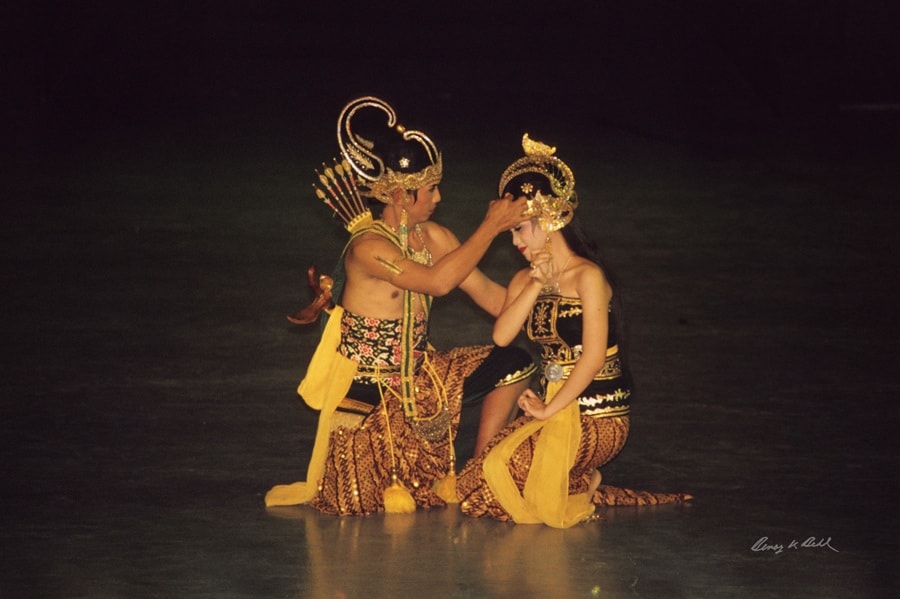
The Prambanan Temple also has exquisite sculptural reliefs depicting the story of the Ramayana. In terms of the quality of the art, this is one of the finest depictions of the Ramayana story anywhere in the world.
(Benoy K Behl is a filmmaker, art historian and photographer who has taken over 53,000 photographs of Asian monuments and art heritage and made 146 documentaries. He is known for having documented the Ramayana tradition in 10 countries of South and Southeast Asia)


