
 E-Paper



Tea Board panel recommends minimum sustainable price for tea; industry associations welcome move
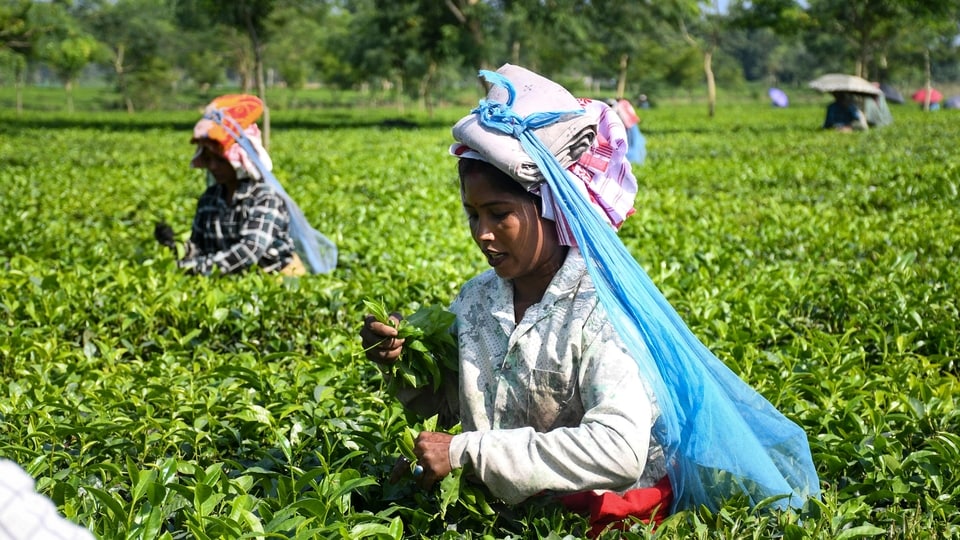
India produces nearly 1,350-1,400 million kilograms of tea annually, and the small tea growers account for nearly 55 per cent of the country's total production.

 Prefer HTon Google


A recommendation by a 10-member committee constituted by the Tea Board of India to introduce a Minimum Sustainable Price (MSP) for tea has been welcomed by industry associations.
The Indian Tea Association (ITA), Tea Association of India (TAI), United Planters' Association of Southern India (UPASI), Confederation of Indian Small Tea Growers Associations (CISTA) and Federation of Indian Tea Manufacturers Association (FITMA) have also emphasised the need for a sustainable pricing framework to ensure remunerative returns for tea producers, protect the interests of small tea growers and secure the long-term viability of the sector, according to a statement from the tea associations.
India produces nearly 1,350-1,400 million kilograms of tea annually, and the small tea growers account for nearly 55 per cent of the country's total production.
According to a statement by the industry associations, tea prices have registered a marginal compound annual growth rate (CAGR) of approximately 2 to 3 per cent over the years, compared with an estimated CAGR of 10 to 14 per cent in input costs. The disparity has affected producers' ability to sustain operations, invest, improve productivity and maintain quality standards, it added.
'Framework essential to bridge gap between production costs and market realisations': Dhanuka
CK Dhanuka, chairman of Dhunseri Tea and Industries, said the tea industry was facing mounting cost pressures, while price realisations had remained relatively stagnant.
Dhanuka said, "The tea industry is confronted with mounting cost pressures, while tea price realisations have remained relatively stagnant. With further increases in wage costs anticipated pursuant to the implementation of the Code on Wages, the financial viability of tea producers is likely to face additional challenges."
Dhanuka said an MSP framework was essential to bridge the widening gap between production costs and market realisations and ensure the long-term sustainability of the industry.
"A Minimum Sustainable Price framework is therefore essential to bridge the widening gap between production costs and market realisations and to ensure the long-term sustainability of the industry. A Minimum Sustainable Price will help bring realisations in line with costs, so that the industry can protect accommodate wage revisions, protect employment and the competitiveness of Indian tea," Dhanuka added.
The statement added, the recommendation for the MSP are particularly significant given the structural challenges confronting the industry. Employment costs account for approximately 60 per cent of the total cost of tea production. With the anticipated notification of floor wages by the Central and State Governments under the Code on Wages, tea producers are expected to face further increases in operating costs, it added.
To address these concerns, the committee has recommended a composite index reflecting wage movements and the Consumer Price Index (CPI) for determining the benchmark MSP. It has also proposed periodic reviews of the benchmark to ensure that the pricing framework remains aligned with changes in production costs and inflation.
Benefits of Minimum Sustainable Price for tea industry
Suneel Singh Sikand, chairman of the ITA, said the recommendation was an important policy intervention towards addressing the structural challenges confronting the Indian tea industry.
Sikand stated, "The recommendation for a Minimum Sustainable Price is an important policy intervention towards addressing the structural challenges confronting the Indian tea industry. Ensuring remunerative returns to producers is critical to sustaining operations, facilitating investment in replantation and productivity enhancement and securing the industry's long-term sustainability."
According to the statement, the key expected benefits of a Minimum Sustainable Price for the tea industry include:
- Enabling the industry to better accommodate future increases in wages and salaries arising from anticipated notifications under the Code on Wages.
- Improving the financial viability and sustainability of the tea industry, creating a stronger foundation for the sustained production of quality Indian tea.
- Supporting better and more stable returns for small tea growers and registered tea gardens.
- Encouraging improvements in the quality of green leaf and made tea, enhancing the global image of Indian tea and strengthening its export competitiveness.
Regional sustainability and competitiveness
The proposed MSP framework would also need to account for the diverse economic realities of India's tea-growing regions. Differences in agro-climatic conditions, production practices, productivity levels and operating costs influence the economics of tea cultivation across regions, according to the statement.
Shailja Mehta, president of the TAI, said the proposed framework represented an important step towards strengthening the economic sustainability of the industry.
"The proposed Minimum Sustainable Price framework represents an important step towards strengthening the economic sustainability of the Indian tea industry," Mehta said.
She added that the improved financial viability would enable producers to maintain quality standards, invest in modernisation and productivity enhancement.
"Improved financial viability will enable producers to maintain quality standards, invest in modernisation and productivity enhancement, and respond more effectively to evolving market requirements. This will be vital in reinforcing the global standing and competitiveness of Indian tea," she added.
The statement said the introduction of an MSP is expected to improve the financial viability of tea producers, enable better returns for small tea growers and registered tea gardens, and create greater scope for investments in cultivation, processing and quality enhancement.
Sanjith R. Nair, secretary general of UPASI, said the proposed framework was an important step towards addressing the diverse economic realities of India's tea-growing regions.
Nair said, "The proposed Minimum Sustainable Price framework is an important step towards addressing the diverse economic realities of India's tea-growing regions. Given the varying agro-climatic conditions, production practices and cost structures across regions, it is essential that the framework remains responsive to these differences while ensuring the overall sustainability and international competitiveness of Indian tea."
Supporting small tea growers and the industry
The proposed MSP framework is also significant for small tea growers. While they depend on the prices received for freshly harvested green leaf, bought-leaf factories (BLFs) procure these leaves and process them into made tea for sale, the statement noted.
When the prices realised from the sale of made tea are insufficient to cover processing costs and support sustainable procurement prices, factories face pressure on the prices they can offer small growers, it added.
A well-designed MSP mechanism could help by supporting sustainable green-leaf prices while recognising the distinct cost structures and economic circumstances of small growers, bought-leaf factories and organised tea estates, according to the statement.
Bijoy Gopal Chakraborty, president of CISTA, said small tea growers constituted a significant segment of India's tea industry and contributed substantially to domestic tea production.
Chakraborty said, "Small tea growers constitute a significant segment of India's tea industry and contribute substantially to domestic tea production. Their economic viability is intrinsically linked to the prices realised for green leaf. A properly structured Minimum Sustainable Price mechanism would help ensure more remunerative and stable returns for small tea growers, thereby safeguarding their livelihoods and supporting the sustainable growth of this important segment."
The statement also highlighted the role of bought-leaf factories in providing market access to small tea growers and converting green leaf into made tea.
Deven Singh, chairman of FITMA, said, "“Bought Leaf Factories (BLFs) form a critical link in the tea value chain by providing market access to small tea growers and converting green leaf into made tea. Their sustainability is closely linked to the relationship between green leaf procurement prices, processing costs and made-tea price realisations. The proposed Minimum Sustainable Price framework must adequately recognise the operating economics of BLFs while ensuring viable returns across the value chain."
The industry associations said they expected the ministry of commerce and the Government of India, to take favourable note of the Committee's recommendations and notify the Minimum Sustainable Price for tea at the earliest, the statement highlighted.


