
 E-Paper



Tea pakoras, moon rituals and ₹1 lakh leaves: India’s wildest tea secrets revealed
India runs on tea, but behind every cup of chai is a story most people have never heard. Here’s the wonderful truth about Indian tea on International Tea Day

 Prefer HTon Google


On International Tea Day, it’s worth remembering that India’s relationship with tea goes far beyond the daily cup of chai. Across the country, tea is tied to midnight harvesting rituals, Himalayan border traditions, tribal food practices and even a separate time zone followed by tea estates. Here are the fascinating stories brewing behind India’s favourite drink.
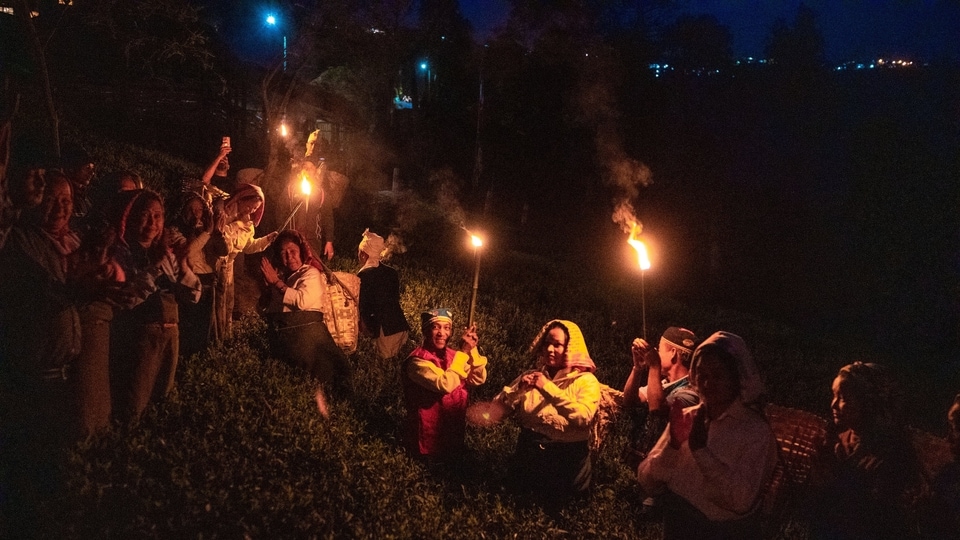
This type of tea is only picked at midnight (and costs more than your rent)
At Makaibari Tea Estate in Kurseong, Darjeeling, some of the world’s rarest tea is harvested under the light of the full moon. Workers gather late at night to hand-pluck Silver Tips Imperial, an ultra-premium tea that can cost nearly ₹2,000 for just 50 grams. The process is incredibly precise. It takes around 200 kg of fresh leaves to produce only 50 kg of the final tea.
The harvest takes place only four to five days a year, between March and October and is specifically timed to the full moon to capture the plant’s peak moisture levels and aromatic oils before the sun initiates oxidation. This practice is rooted in biodynamic agriculture, which views the moon’s gravitational pull as a force that draws sap and energy into the delicate buds.
A popular local belief is that tea bushes breathe with the lunar cycle, and by plucking between midnight and 3 AM, workers capture the moon’s celestial energy, or prana, within the leaves. Pluckers gather the “two leaves and a bud” by the light of tallow torches, while the tea gets its name from the silvery-white fuzz on the buds.
Silver Tips Imperial was also known to be a favourite of Queen Elizabeth II. When Prime Minister Narendra Modi visited Buckingham Palace in 2015, he gifted her a box of the tea.
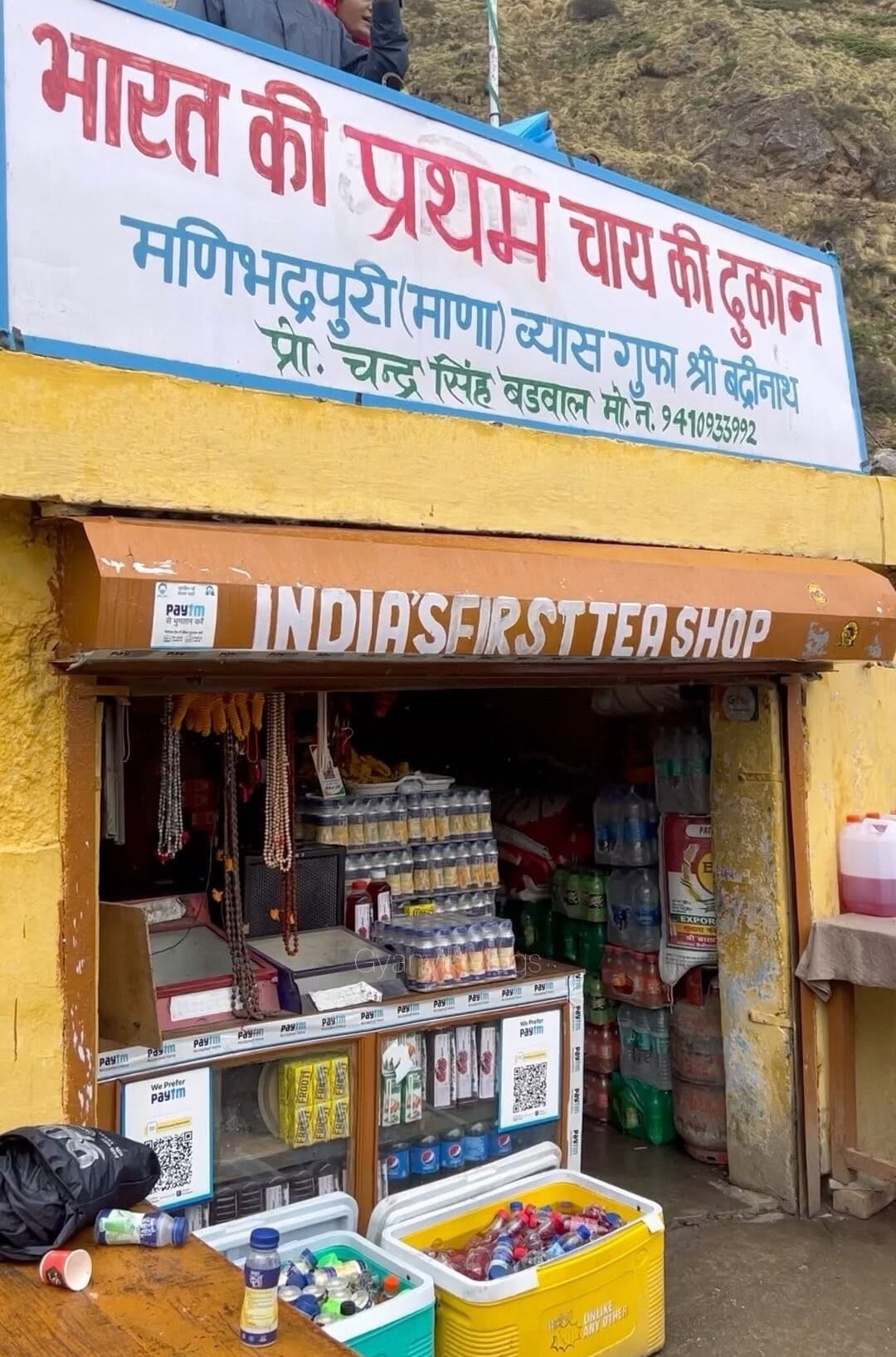
The first shop in India is a tea shop
India’s first shop actually serves tea and sits at 10,230 feet in Mana, Uttarakhand, the first Indian village near the Indo-Tibetan border. Located just 3km from the Badrinath shrine, the famous tea stall was started by local Chander Singh Badwal over 25 years ago. Earlier known as the “Last Tea Shop of India,” it was recently renamed the “First Tea Shop of India” after the government redesignated Mana from the country’s “last” village to its “first” village near the border. Today, travellers, pilgrims, and military personnel stop here for hot tea, Maggi noodles, and panoramic Himalayan views at the edge of Indian territory.
The world’s oldest tea association was founded in India
The Indian Tea Association (ITA), founded in 1881, is the oldest organisation of tea producers in the world. Established during the British Raj to protect the interests of tea planters, it originally operated with a head office in London and branches across India.
Over the decades, the ITA evolved from a colonial pressure group into a modern industry body that formulates tea policies and works closely with the Tea Board of India. Headquartered in Kolkata, it currently represents more than 425 member gardens responsible for nearly 60% of India’s tea production and supports a workforce of over 400,000 people.
Indian communities have been eating tea leaves for centuries
While tea is primarily consumed as a beverage in India today, several indigenous communities have long treated tea leaves as food. In Assam and Arunachal Pradesh, the Singpho and Khamti tribes, who are credited with introducing tea to India long before British commercialisation, traditionally consumed tea leaves as a vegetable.
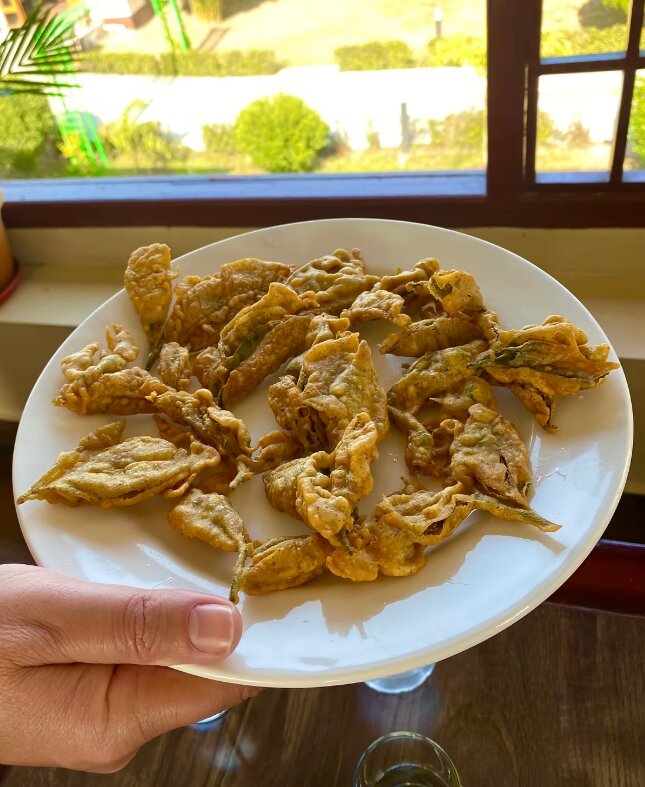
The leaves are often steamed or smoked in bamboo tubes, or stir-fried with garlic, chillies and oil before being served with rice. In Himachal Pradesh’s Kangra Valley, fresh tea leaves are also dipped in gram flour batter and deep-fried into crunchy pakoras with a slightly bitter edge.
Darjeeling tea was the first Indian product to receive a GI tag
Darjeeling tea is so prized for its fruity “muscatel” flavour that it is often called the “Champagne of Teas.” However, as fake versions flooded international markets, India moved to legally protect the authentic product.
In 2004, Darjeeling tea became the first Indian product to receive a Geographical Indication (GI) tag. The status ensures that only tea grown, harvested and processed within the Darjeeling district of West Bengal can be sold under the name. Today, every batch is carefully tracked from plantation to packaging to preserve the authenticity of one of India’s most famous exports.
Assam has its own ‘Tea Time Zone’
In Assam’s tea estates, clocks still run an hour ahead of Indian Standard Time in a system known as “Bagaan Time.” Introduced during the British era, the unofficial timing helped workers make the most of the region’s early sunrises and avoid plucking tea leaves during the harsh afternoon heat.
Even today, many tea gardens continue to follow this unique schedule, shaping everything from work shifts to daily routines across the estates.


