
 E-Paper



‘India in touch with US to clarify issues’: MEA on new sanctions on Russian oil
External affairs ministry spokesperson Randhir Jaiswal indicated that India had no plans to reduce oil purchases from Russia following the US sanctions

 Prefer HTon Google


NEW DELHI: India said on Friday it is in touch with Washington to clarify issues related to the impact that the latest US sanctions on Russian oil producers, service providers and oil-carrying vessels could have on Indian companies.
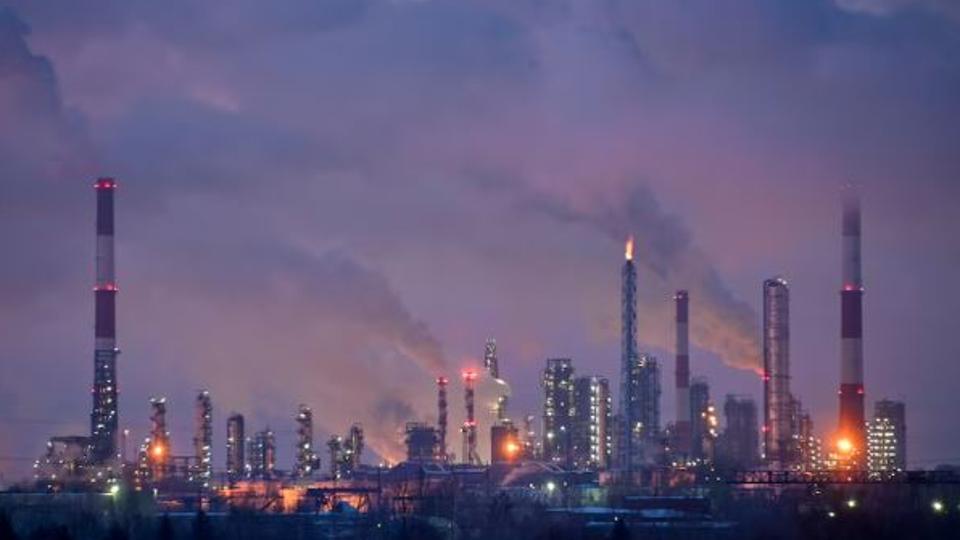
On January 10, the US treasury department imposed sweeping sanctions on oil producers Gazprom Neft and Surgutneftegas, 183 vessels that have been used to ship Russian oil and Russia-based oilfield service providers. US officials said the move targeted revenues that Russia has been using to fund its war with Ukraine.
“These additional sanctions pertain to several entities and individuals in the Russian energy sector. We are in touch with the US authorities to clarify issues pertaining to the impact on Indian entities,” external affairs ministry spokesperson Randhir Jaiswal told a regular media briefing.
At the same time, the external affairs ministry is working with all relevant departments and agencies to “sensitise Indian companies on applicable provisions”, and also to inform them about “new measures being implemented that could impact Indian companies in certain circumstances”, he said.
Asked about the impact of the new US sanctions, Jaiswal indicated that India had no plans to reduce oil purchases from Russia. “Our oil purchases have been and always are guided by our own energy security requirements, along with prevailing global circumstances and market conditions,” he said.
India stepped up purchases of discounted Russian commodities, especially crude and fertilisers, after the US and its European partners imposed sanctions on Russia over the invasion of Ukraine in February 2022. Russia is now among the top two energy suppliers for India, and this has resulted in bilateral trade ballooning to $65.7 billion in 2023-24.
The purchase of Russian crude continued even after the G7 imposed a price cap of $60 per barrel towards the end of 2022.
Besides Russian oil majors Gazprom Neft and Surgutneftegas, the latest US sanctions imposed in the last days of the Joe Biden administration have targeted 183 oil tankers, many of them part of the “shadow fleet”, opaque traders of Russian oil and Russia-based oilfield service providers.
People familiar with developments said on condition of anonymity that the sanctions will impact two oil producers who don’t account for a majority of the crude produced by Russia and only a certain number of vessels.
“We have to abide by the price cap but there could be many more vessels and service providers. We are still assessing the impact of these sanctions,” one of the people cited above said.
However, many of the tankers that have been hit by the new US sanctions have been used to ship oil to India and China as Western sanctions and the G7 price cap shifted trade in Russian oil from Europe to Asia.



