Ola CEO Bhavish Aggarwal said that his company is his first love as he looked back on his journey and talked about his future plans and ambitions. Ola has grown into a diverse group, including Ola Electric and the AI venture Krutrim, Bhavish Aggarwal said at Business Today's 'India at 100' event that his attachment to Ola Cabs remains strong.
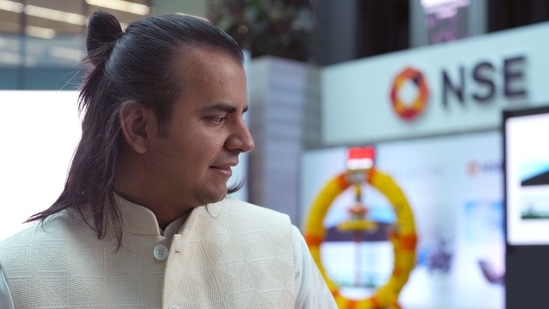
There is a natural progression of the business which led to new ventures, particularly in electric vehicles and AI, he said. This positions Ola in a place where the company can shape the future of both industries, he asserted. Ola Electric is aimed at turning India into a global leader in the electric vehicle (EV) market, he said.
Read more: Byju Raveendran explains why firm has not paid July salaries: ‘Not in control…'
Talking about the shift to public markets, Bhavish Aggarwal acknowledged the heightened responsibility of handling common citizens’ money. He said, “We are handling India’s common man’s money” while stressing the need for cautious and value-driven decisions. This requires balancing short-term performance with long-term strategic initiatives, he said.
Read more: Piyush Goyal says growth of e-commerce in India ‘matter of concern: 'Nothing to be proud of'
Talking about Ola Electric, Bhavish Aggarwal positioned the company as a global player, saying, "Tesla builds for 1 billion rich people. Ola Electric is building for the rest."
Read more: Amul is world's strongest food brand with $3.3 billion value in 2024: Full list
{{/usCountry}}Talking about Ola Electric, Bhavish Aggarwal positioned the company as a global player, saying, "Tesla builds for 1 billion rich people. Ola Electric is building for the rest."
Read more: Amul is world's strongest food brand with $3.3 billion value in 2024: Full list
{{/usCountry}}Introducing Ola’s latest venture Krutrim, he said that it is focused on building an AI tech stack in India. Highlighting the massive opportunity in the global tech industry, Bhavish Aggarwal warned against “data colonialism” and said that while India generates 20% of the world's data, only 10% of that data stays in the country which results in massive imbalance in the process of data control.