Behind the diyas that light up homes, the candles that brighten festive corners and the handcrafted decorations that adorn doorways are stories that often go unnoticed. Across the tricity, women from rural backgrounds, neurodivergent youngsters and prison inmates are turning their skills into festive creations, finding in Diwali not just an opportunity to earn, but also a sense of purpose, dignity and hope.
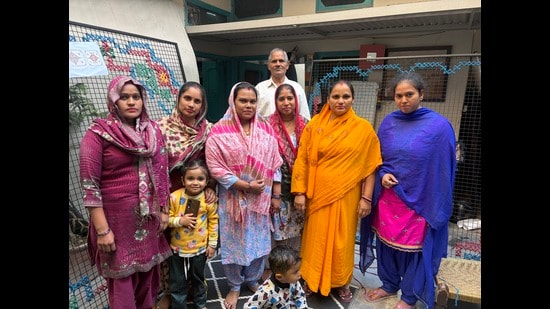
At Chhoti Si Aasha Foundation in Khuda Lahora, around 150 to 200 women, many from nearby villages, stitch, crochet and craft lamps, torans and festive charms. Registered in 2009, the organisation has trained more than 500 women, helping them acquire skills and earn through their work.
For 46-year-old Aasha, who has been associated with the foundation for 11 years, the journey also meant overcoming resistance at home. Her husband was initially reluctant to let her work, but eventually came around. Another long-time member, Jasminder, now in her mid-seventies, has been with the organisation since its inception.
The workplace also accommodates mothers who bring their young children along. Pramila, who works with her three-year-old son beside her, said the arrangement makes it easier to balance childcare and work. Women can also work from home and are paid once an article is completed, without having to wait for it to be sold. Founded by Liza, the organisation aims to make women financially independent by giving them both skills and a platform to sell their creations.
Finding pride through creativity
{{/usCountry}}Finding pride through creativity
{{/usCountry}}At Smiling Dandelion, a Mohali-based foundation working with neurodivergent individuals, Diwali preparations are offering young people an opportunity to express themselves through art while developing practical skills and confidence. Founded by Shivani, a former journalist, the organisation works with 37 young individuals, five of whom are currently involved in making festive products such as candles, bags, wax tablets and handmade soaps, which are sold at exhibitions.
Among them is 16-year-old Shreya, who has Down syndrome and displays interest in art, creating drawings that reflect her creativity. Gunpreet, 17, has a particular interest in mathematics and computers. Abhay, Archit and Saksham are also learning to make the festive artefacts.
The youngsters have diverse neurodevelopmental and learning needs, including Down syndrome, ADHD and learning disabilities. Through these activities, they are encouraged to explore their interests, develop practical skills and create products they can take pride in.
For Shivani, the purpose goes beyond providing a supportive space, it is about challenging the way society perceives neurodivergent individuals. She believes they should not be viewed through the lens of pity, but recognised as equals who deserve the same dignity, respect and opportunities as everyone else.
The process of creating and selling their products gives the youngsters a chance to showcase their abilities and experience the satisfaction of seeing their work valued.
“The work they create makes them proud of themselves,” said Vineeta, their teacher.
A second chance behind bars
At the prison’s Avishkaar section, Diwali preparations carry another meaning: the promise of a life rebuilt. The skill development and job-orientation initiative trains inmates in candle-making, painting, sculpture, tailoring and cooking to help them reintegrate into society after release.
Around 15 to 20 inmates are making scented candles for Diwali, while others create paintings and sculptures, stitch garments or prepare sweets. Products, including candles, kurtas, suits and sweets such as milk cake, barfi and gulab jamun, are sold through an outlet at Gate No. 1 in Sector 22 market.
DSP (prisons) Mukesh said the aim is to ensure inmates have a skill to fall back on and can provide for themselves after leaving prison. Inmates receive daily wages of ₹130 for unskilled work, ₹140 for semi-skilled work and ₹150 for skilled work. Participation is voluntary, said welfare officer Deep Kumar.
For these creators, Diwali is about more than the products they make. It is about being seen, having their work valued and finding a path towards independence and in every handmade candle, stitched garment and carefully crafted diya lies a reminder that a little opportunity can illuminate lives long after the festive lights fade.