Winter is likely to be warmer this year due to the impact of the El Nino current, according to the India Meteorological Department (IMD).
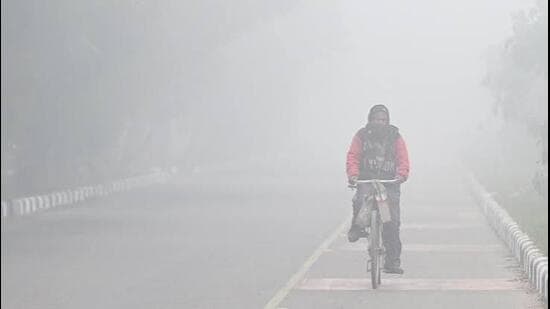
El Nino is a climate pattern where sea surface temperatures in the central and eastern Pacific Ocean become warmer than usual, disrupting global wind and rainfall patterns. Part of the El Nino-Southern Oscillation (ENSO) cycle, which alternates between El Nino (warm), La Nina (cool) and neutral phases, active El Nino conditions this winter will keep regional temperatures from dropping too low and lead to below-normal rainfall.
Currently, temperatures remain above average. The maximum rose from 29.9°C on Saturday to 30.5°C on Sunday (3°C above normal), while the minimum rose from 14.1°C to 15.9°C (4°C above normal). In comparison, November 15 last year recorded a maximum of 26.9°C and a minimum of 8.4°C. The minimum temperature has yet to dip below 10°C this season, whereas last year it hit 9.4°C by November 11.
IMD’s Chandigarh director Surender Paul said, “El Nino is strong this year. The winter is going to be warm.” Citing the latest ENSO Alert, he noted an 80% chance that El Nino will remain strong, peaking between January and March 2027.
Paul added that this is likely to have an impact on farmers in the region as below normal rain is expected. While El Nino conditions were also prevalent during the monsoon this year, mostly normal rain was recorded in the region owing to the impact of the Indian Ocean Dipole, which is localised in the Indian Ocean and provided moisture to the region despite the El Nino conditions.
Meanwhile, an active western disturbance (WD) is expected to drop temperatures by 2-3°C once it clears, followed by dry weather for the rest of the week. Over the next three days, maximum temperatures will hover between 29°C and 30°C, and minimum between 12°C and 14°C.
{{/usCountry}}Meanwhile, an active western disturbance (WD) is expected to drop temperatures by 2-3°C once it clears, followed by dry weather for the rest of the week. Over the next three days, maximum temperatures will hover between 29°C and 30°C, and minimum between 12°C and 14°C.
{{/usCountry}}The World Meteorological Organisation (WMO) declares an El Niño when the sea surface temperature anomaly in the tropical Pacific is 0.5°C and higher. In its latest seasonal climate outlook, the WMO has said the current El Nino event could be “unprecedented in strength” and may rise to 3.8°C above average between November 2026 to January 2027. A peak is likely in December, with weather patterns to be disrupted globally, including higher than normal temperatures and weaker rainfall in south and southeast Asia, including India.