The Union ministry of power has selected Chandigarh among 34 cities to be developed as Solar Cities by 2030.
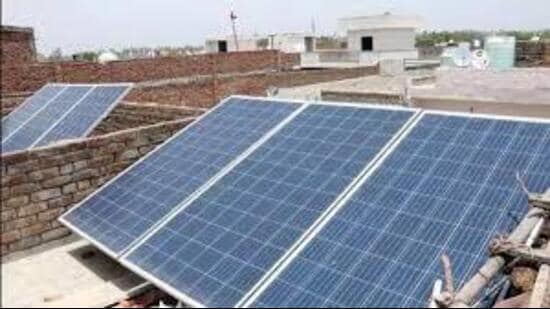
The list was released during the Lok Sabha session last week, where minister of state for power Shripad Yesso Naik stated that all 34 cities will be developed as Solar Cities by the target year and Chandigarh was one of them.
A senior official of the Chandigarh Renewable Energy and Science & Technology Promotion Society (CREST) said Chandigarh had been making steady progress since 2010 toward becoming a sustainable and energy-efficient urban centre.
Under the National Solar Mission, the city has implemented a wide range of renewable energy initiatives aimed at reducing carbon emissions, lowering electricity costs and promoting clean energy. A key element of this mission is the city’s focus on solar energy adoption and the promotion of electric vehicle (EV) usage—both crucial to its vision of becoming a model solar and EV city by 2030.
As per the plan, since solar is the only viable source of renewable energy due to the city’s geographical and land constraints, the UT administration has proposed to generate 0.224 Gigawatt (GW) of solar energy by 2030.
In a Shapath Patra (letter of commitment) submitted to the ministry of power, the UT administration has outlined plans to develop and upgrade transmission infrastructure to accommodate the additional load generated from these renewable energy projects. It has committed to coordinating with the Central Electricity Authority (CEA), State Load Dispatch Centers (SLDCs) and other relevant entities to ensure efficient evacuation of power from project sites.
{{/usCountry}}In a Shapath Patra (letter of commitment) submitted to the ministry of power, the UT administration has outlined plans to develop and upgrade transmission infrastructure to accommodate the additional load generated from these renewable energy projects. It has committed to coordinating with the Central Electricity Authority (CEA), State Load Dispatch Centers (SLDCs) and other relevant entities to ensure efficient evacuation of power from project sites.
{{/usCountry}}The administration also intends to create a conducive environment for renewable energy development by implementing supportive policies and regulatory frameworks. This includes streamlining approval processes, offering UT-level incentives to developers and investors, and aligning with national policies to foster the growth of renewable energy in the Union territory.
The letter of commitment further states the following objectives: Achieve full rooftop solar panel saturation on all private buildings by December 2025, amend building bylaws to mandate rooftop solar photovoltaic (SPV) systems for houses above 250 square yards, cover all feasible water bodies with floating solar power projects, install high-rise solar power systems over suitable parking areas to conserve land resources and make all government departments net-zero in energy consumption by 2030.