Punjab Agricultural University (PAU) on Thursday organised a workshop on ‘Genome editing in agriculture: Science, potential and policies’ in association with National Agri-Food Biotechnology Institute (NABI), Mohali, and Biotech Consortium India Limited (BCIL), New Delhi.
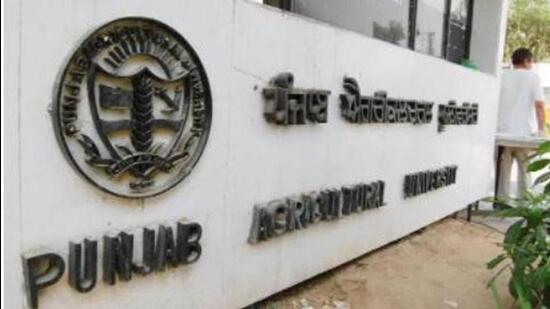
Around 400 people, including scientists, students, and research fellows from PAU and nearby institutions, attended the workshop, which aimed to highlight the application of genome editing in the crop breeding programmes and raise awareness among the key stakeholders viz scientists, students, agriculture officials and industry about the technology and its potential.
Professor Ashwani Pareek, executive director, NABI, Mohali, pointed out the need for technological innovation and also mentioned that May 11 is celebrated as National Technology Day every year.
Experts from different institutes highlighted the advancements, potential and applications of genome editing in two technical sessions.
In the morning session, Navtej Singh Bains, former director of research, PAU, delivered an informative talk on potential applications of gene editing in the breeding field, vegetable and fruit crops. Bisht explained the manipulation of mustard oil through editing of glucosinolates in Indian mustard oilseed.
Baljinder Singh Nandra from Federation of Seed Industry of India (FSII) provided the glimpse of national and international status of gene-edited plants and the importance of strong linkage between scientists and industry partners.
{{/usCountry}}Baljinder Singh Nandra from Federation of Seed Industry of India (FSII) provided the glimpse of national and international status of gene-edited plants and the importance of strong linkage between scientists and industry partners.
{{/usCountry}}Vibha Ahuja, chief general manager of Biotech Consortium India Limited, discussed the government’s policies and procedures for the approval of genome-edited crops.
In the evening session, scientists from NABI presented their work on increasing carotene content in bananas and iron (Fe) content in wheat grains. Scientists from PAU presented their research on starch resistance wheat and potato, increasing tomato’s shelf-life, reducing the acrylamide content in wheat and potato, haploid induction, and biofuel production in sugarcane through genome editing.
An interactive session was also held between researchers and speakers about the future of genome editing in crop improvement.