Powercom’s Suvidha Kendras, designed as one-stop points for consumers to manage routine electricity-related tasks, have increasingly turned into centres of inconvenience. Outsourced employees have remained on strike since July 23, severely slowing consumer services across the Punjab State Power Corporation Limited (PSPCL) Central Zone.
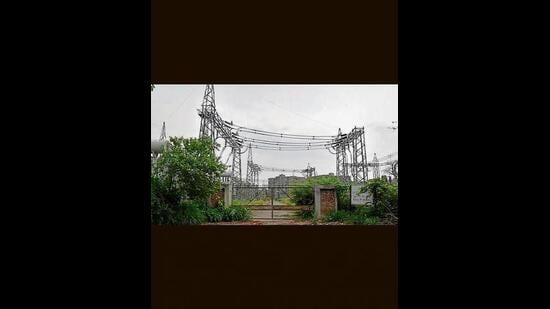
The strike has disrupted operations for personnel working at Suvidha Kendras, Nodal Complaint Centres (NCCs), metering laboratories, and stores. Their absence has left several centres functioning with limited staff, forcing consumers to wait for hours, make repeated visits, or return without getting their work done.
This disruption persists even though the Punjab Vidhan Sabha recently passed the Punjab State Outsourced Personnel (Transition to Contractual Engagement) Bill, 2026. However, outsourced workers have continued their agitation, stating that they still lack clarity on how their specific cadres will be covered under the proposed contractual framework.
Four circles, over nine centres affected
The PSPCL Central Zone comprises four operation circles — East, West, Suburban and Khanna, with more than nine Suvidha Centres functioning across these circles. These centres handle several consumer-facing services, including applications for new and temporary electricity connections, transfer of meters, changes in sanctioned load and correction of billing-related issues. The strike has significantly reduced the manpower available for processing such applications.
Staff struggling to handle workload
{{/usCountry}}Staff struggling to handle workload
{{/usCountry}}At several centres, government employees are continuing to handle work, but with limited manpower. The impact is not restricted to Suvidha Centres. Outsourced employees at NCCs, metering laboratories and stores are also participating in the strike, creating a wider bottleneck in consumer services.
The Nodal Complaint Centres have a particularly important role as they receive complaints through the 1912 helpline and assign them to field staff. With outsourced personnel absent, the allocation of complaints has slowed, delaying fault resolution in several cases.
Consumer Frustration Mounts
Ramesh Kumar, a resident of Dugri Phase 1 who visited a Suvidha Kendra, noted that the facility was originally intended to save consumers from visiting multiple offices. “We come here expecting our work to be completed in one place, but due to staff shortages, we are asked to wait or come again. The dispute is between employees and the government, but consumers are paying the price,” he said.
Seema Devi, a resident of Focal Point, added that delays in routine services inconvenience people who take time out of their daily schedules.
Sumit Sharma from Haibowal, said, “These centres were meant to make work easier for consumers. If people have to make several visits for a simple meter or connection-related issue, then the system is not serving its intended purpose.”
Routine services hit
According to PSPCL officials, the strike has slowed the processing of applications for new connections, temporary connections, meter transfers, sanctioned-load changes and electricity-bill corrections.
For consumers, these are not merely administrative delays. A delayed new connection can hold up shifting or construction work, while delays in meter transfer, load enhancement or bill correction can force consumers to make repeated trips to PSPCL offices.
‘Supply normal, consumer services affected’
PSPCL Central Zone Chief Engineer Jagdev Singh Hans said that consumer services have been affected, although the electricity supply system was being maintained normally. He stated that the department is making alternative arrangements to sustain essential services and expressed hope that discussions would soon resolve the impasse.
Meanwhile, outsourced employees have maintained that their agitation will continue until they receive written assurances regarding their transition. A meeting with power minister Tarunpreet Singh Sond and PSPCL CMD Basant Garg is scheduled for August 13, after which the workforce is expected to decide its next course of action.