E-Paper



PU researchers devise tech to purify air & water through green waste
This is an eco-friendly and single-step technology to extract cellulose from waste, says Dr Bharat Bajaj, who was assinged this waste management project by the department of science and technology, Chandigarh

 Prefer HTon Google


Researchers at Panjab University’s Centre for Nano Science and Nano Technology have devised a technique to purify air and water through food waste and crop remains.
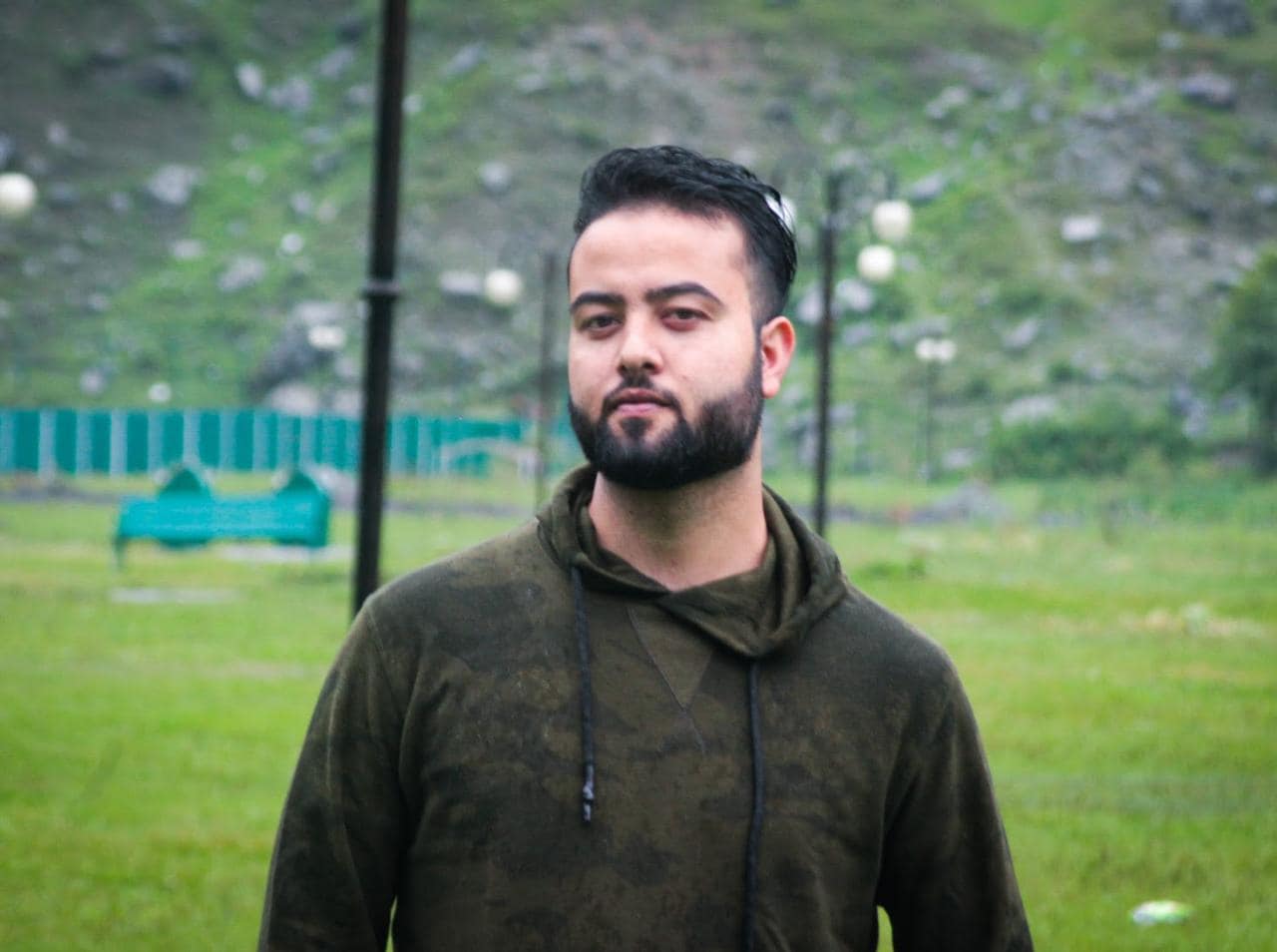
The waste management project was handed to Dr Bharat Bajaj, who is UGC assistant professor at the centre, by the department of science and technology (DST), Chandigarh.
Dr Bajaj and his team have developed a technique to extract cellulose from food waste that can then be used to deal with water and air pollution. The final report of the project has been submitted recently to DST.
Dr Bajaj, who was engaged with various research institutes of South Korea for 10 years, worked on this project along with Dr Pragati Gahlout from Indian Institute of Technology, Delhi and Dr Dhiraj Sud from Sant Longowal Institute of Engineering and Technology.
He said the municipal corporation had been segregating wastes, but it was still difficult to manage and utilise these properly. Also, burning of crop remains in Punjab and Haryana is also a big concern as it pollutes the air, not only in Chandigarh, but also affects its quality in the national capital region (NCR), he added.
“Our team came up with an idea of extracting cellulose from green waste and making membranes out of it. We managed to do so from food waste and rice straw,” he said.
“We have developed a more eco-friendly and single-step technology to extract cellulose from waste. The extracted cellulose was coated with copper oxide and other nanomaterials and converted into a film form. The cellulose membranes showed significant performance in water purification within 10 to 15 minutes. These films could also be used for air purification along with water decontamination,” he added.
This technology is cheaper as compared to others as it only includes cost for cellulose extraction, he said. Cellulose extraction takes three hours and membrane processing completes in eight to 12 hours.
Dr Bajaj said, “If we want our farmers and industries to build and use such devices, then technology should be simple. This technology could facilitate our farmers and industries.”