The Punjab Congress’ protest against rising sugar prices on Wednesday once again exposed factionalism in the state unit, with several prominent leaders, including Jalandhar MP and former chief minister Charanjit Singh Channi, skipping the programme organised by Pradesh Congress Committee (PCC) chief Amarinder Singh Raja Warring.
Since July 1, when the Congress high command retained Warring as state unit head, several senior leaders associated with the Channi faction have stayed away from events organised under the state unit chief’s leadership.
The Channi faction has been seeking Warring’s removal from the post. The party high command has since rallied behind Warring, with Punjab Congress affairs in-charge Bhupesh Baghel repeatedly reiterating that the party will not project any chief ministerial face in the upcoming assembly polls in the state.
The rival camp, on the other hand, has also been holding separate political programmes and held an event in Issru near Khanna on August 15 without the involvement of the Punjab Pradesh Congress Committee (PPCC).
Senior Congress leaders, including AICC secretary Ravinder Dalvi, former minister Balbir Singh Sidhu and Hardayal Kambhoj, were among the prominent leaders present at Wednesday’s protest, along with several district presidents.
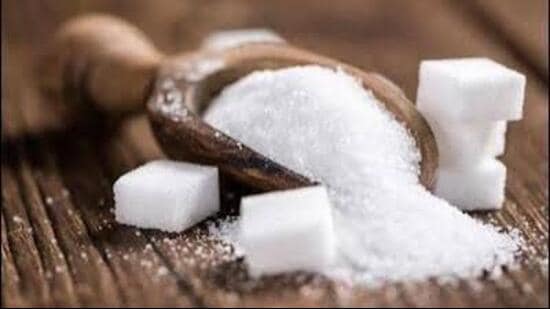
Led by Warring, the Congress workers served tea without sugar as a symbolic gesture to highlight the rising prices of the commodity and blamed the BJP-led Union government for adding to the burden on household budgets.
{{/usCountry}}Led by Warring, the Congress workers served tea without sugar as a symbolic gesture to highlight the rising prices of the commodity and blamed the BJP-led Union government for adding to the burden on household budgets.
{{/usCountry}}Warring claimed retail and wholesale sugar prices had increased by around 40% compared with the corresponding period last year, with the rise touching 50% in some states. He said sugar prices had crossed ₹65 per kg in eight states.
Warring linked rising food and transport costs to the government’s E20 ethanol-blending policy and questioned why petrol prices had not fallen despite claims that ethanol blending would generate savings for consumers.
“First exports, then diversion for ethanol and now imports to control inflation,” Warring said.