“The best thinking has been done in solitude.” — Thomas A Edison
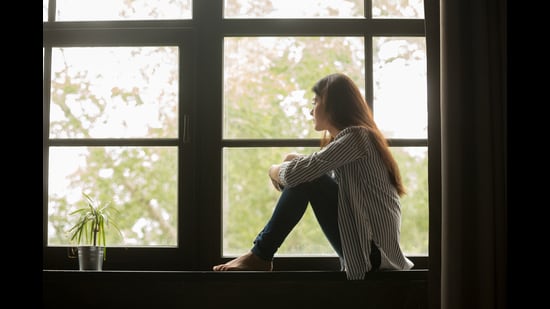
The other day, I came across an episode of The Happiness Lab with Dr Laurie Santos, titled “Why being alone might be better than you think.” It made me pause and look at something ordinary through a fresh lens: The distinction between being lonely and being alone.
Looking back at my teenage years, being alone was something we craved. We wanted our own room, our own music, our own thoughts—our own little world. Privacy needed no explanation. Being alone was where we found ourselves.
So when did that change?
When did solitude—something that once brought contentment—become something adults feel compelled to justify? Some of my most creative and productive moments happen when I am by myself: Working on my house, studying drawings, making notes, researching a curiosity, solving a problem at work, and, above all, writing.
Thoughts have room to breathe when there isn’t noise around them. Ideas surface in silence. Solitude isn’t an absence of people; it is an abundance of space.
Yet society has grown uncomfortable with it. Going to the cinema alone is often perceived as sad. Sitting in a café, coffee in hand, watching the world go by, invites curious glances. Enjoying a margarita at a busy bar by yourself feels like it requires an explanation.
Why have we equated a full life with a crowded one?
{{/usCountry}}Why have we equated a full life with a crowded one?
{{/usCountry}}We celebrate those who are the life of every party, who always have somewhere to go and someone to meet. Social media has amplified this illusion, measuring popularity in followers, comments, photographs, and invitations—constant evidence of a crowd.
We have confused being surrounded with being connected, forgetting the world of difference between loneliness and solitude. Loneliness is the ache of wanting connection and missing it. Solitude is choosing to step away from the noise, comfortable in your own skin. You can feel lonely in a room full of people, and completely content sitting by yourself.
Watching my teenage son, I hope he never loses the ability to enjoy his own company. Today, it means disappearing into his room with music, getting absorbed in a project, reading, or simply switching off. Tomorrow, it might mean exploring a new city on his own, pursuing an idea without needing a gallery, or sitting quietly to watch the world unfold. If he finds joy in his own company now, solitude will never feel like isolation to him.
There is freedom in not needing an audience for your happiness. Growing up shouldn’t mean filling every quiet moment with people, chatter, notifications, and noise.
It should mean learning to appreciate the quiet. To sit with your thoughts. To enjoy your own company. To discover that being alone doesn’t mean something is missing—it is often where you finally have the space to meet yourself.
The writer is a Ludhiana-based freelance contributor and can be reached at ashmeg20@gmail.com