
 E-Paper



Union minister Ravneet Bittu apologises to Punjab SC panel, ordered to visit 4 shrines
Bittu tenders written apology for objectionable remarks against police during May election clash; panel disposes of matter with social harmony directive.

 Prefer HTon Google


Union minister of state for railways Ravneet Singh Bittu appeared before the Punjab State Scheduled Castes Commission at the state civil secretariat in Chandigarh on Wednesday, tendering a written apology for objectionable language he used during a confrontation with police personnel in Dhuri on May 26.
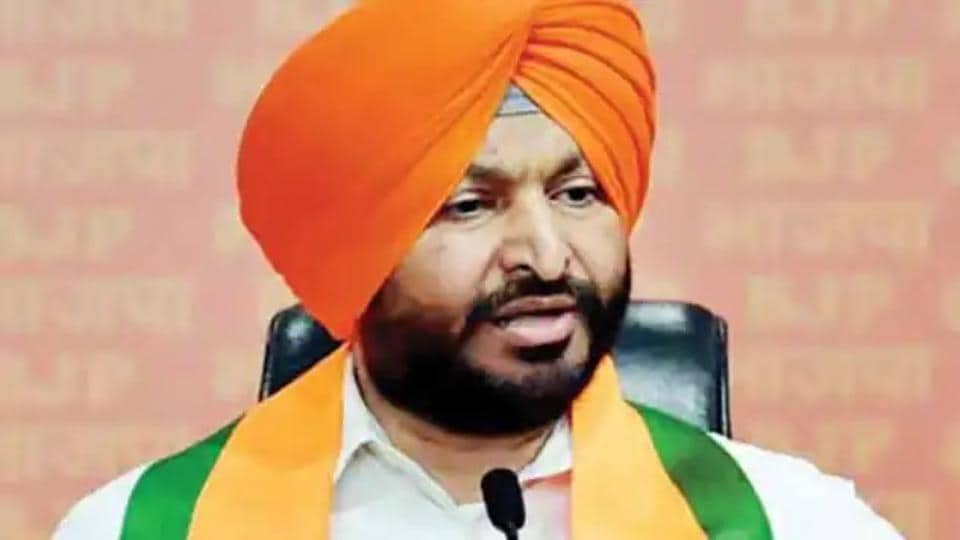
Appearing before commission chairman Jasvir Singh Garhi on the third summons after missing two previous hearings, Bittu expressed regret over the remarks that triggered the controversy. During the hearing, Bittu also highlighted the BJP-led Union government’s welfare initiatives for the Scheduled Castes community, noting that under Prime Minister Narendra Modi, the Centre has accorded pilgrimage status to five key sites associated with Dr BR Ambedkar.
Accepting the apology, Garhi directed the Union minister to pay obeisance at four religious shrines: Dera Brahmdas in Phillaur, Sachkhand Sri Dera Ballan, and both Sri Darbar Sahib (Golden Temple) and Sri Ram Tirath Temple in Amritsar.
The commission then disposed of the matter, stating the directions aimed at promoting social harmony.
The case stems from a May 26 clash with police during civic elections, which prompted the commission to take suo motu cognisance. While Bittu had previously apologised for the casteist remarks through the media, Wednesday marked his formal, legal resolution before the panel.


