
 E-Paper



Delhi plans sensor-based PUC 2.0 overhaul
While plans are yet to be finalised, the government is exploring options to move away from the existing system with a focus on technology-driven solutions that reduce human dependence, a government official said

 Prefer HTon Google


The Delhi government is planning a major overhaul of its pollution under control (PUC) system, shifting from the current model of small booths to larger, centralised centres that will largely operate on sensor-based technology, officials aware of the matter have said.
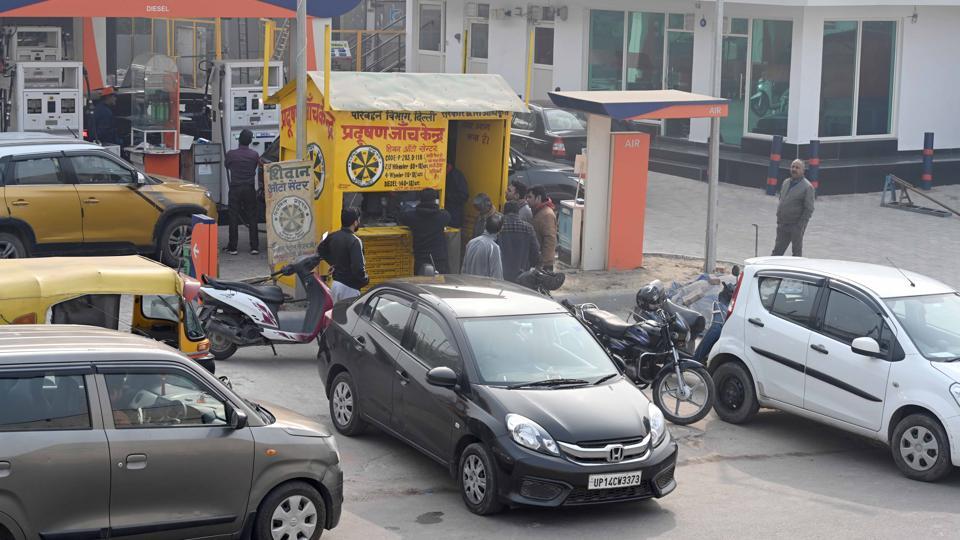
A meeting to assess and plan the proposed PUC 2.0 model was held at the Delhi Secretariat on Tuesday. It was chaired by chief minister Rekha Gupta and attended by environment minister Manjinder Sirsa, transport minister Pankaj Singh and senior officials from both departments, officials said.
While plans are yet to be finalised, the government is exploring options to move away from the existing system with a focus on technology-driven solutions that reduce human dependence, a government official said.
“The aim is to minimise human intervention and adopt robotics and sensor-based technology that can assess emissions in real time. The space allocated for PUC centres is also being reviewed to ensure adequate infrastructure with proper entry and exit points. The system will be transparent,” an official aware of the discussions said, adding that a final plan is still to be formalised.
Another official said that while automated testing already exists for commercial vehicles, the objective is to extend the same system to non-commercial vehicles. “Robotics and remote sensing will reduce human intervention under the PUC 2.0 model. That is the long-term goal,” the official added.
The government has been vocal about reforming the PUC system for several months following a Comptroller and Auditor General (CAG) audit report released in April last year, which flagged multiple deficiencies in testing and certificate issuance.
In December, Sirsa announced that 12 PUC centres with defective equipment had been suspended.
The CAG report found that 24% of the 2.21 million diesel vehicles tested between 2015 and 2020 had no recorded emission values. In more than 4,000 cases, vehicles that exceeded pollution limits were still declared “pass”.
Further, in nearly 7,700 instances, multiple vehicles were tested simultaneously at the same centre, raising concerns over fraudulent certification. Another 76,865 cases involved certificates being issued within one minute — an impossible timeframe for a legitimate emissions test.
The report also noted that modern technology such as remote sensing devices for checking vehicular pollution had not been adopted, despite being under consideration since 2009 and repeatedly emphasised by the Supreme Court.

Stay updated with all top Cities including, Bengaluru, Delhi, Mumbai and more across India. Stay informed on the latest happenings in World News along with Delhi Election 2025 and Delhi Election Result 2025 Live, New Delhi Election Result Live, Kalkaji Election Result Live at Hindustan Times.


