A new study by the department of biotechnology at the University of Mumbai and the Bhabha Atomic Research Centre (BARC), Mumbai, has found that bacteria in fish widely consumed in Mumbai were resistant to antibiotics that are used to treat gastroenteritis, tuberculosis, urinary tract infection, and malaria.
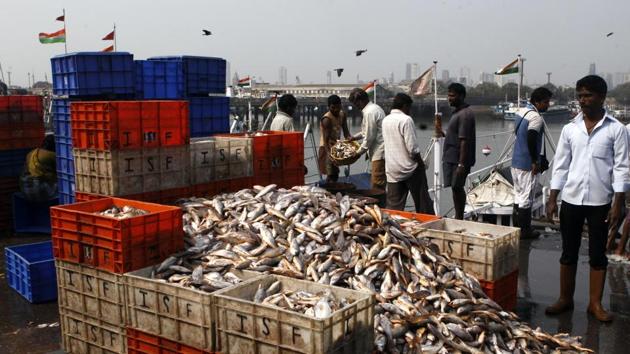
For the study undertaken at Mumbai University, three samples each of five varieties of fish – Indian mackerel or Bangda, Saundala, Tarli, Mandeli and Dhoma or Dhodi – were collected from various city markets.
The team identified 50 potential pathogens from the fish samples, and examined their resistance against 13 clinically significant antibiotics that are used to treat humans for gastroenteritis, typhoid fever, whooping cough, tuberculosis, and infections of the respiratory tract, urinary tract, bones and skin.
The 13 commonly used antibiotics were: bacitracin, ciprofloxacin, chloramphenicol, cefotaxime, doxycycline, erythromycin, gentamicin, kanamycin, neomycin, penicillin G, rifampicin, streptomycin, and trimethoprim.
The research was a collaboration between Onkar Naik and Dr Archana Rath of Mumbai University, and Dr Ravindranath Shashidhar, Dr Jayant Bandekar (both from BARC’s food technology division) and Dr Devashish Rath (from BARC’s molecular biology division). “Some microorganisms were resistant to five antibiotics, some others to seven or eight. When microorganisms are resistant to two or more antibiotics, they are termed highly resistant,” Naik said. “All microorganisms showed high resistance to multiple antibiotics.”
Barring chloramphenicol and gentamicin, most pathogens were resistant to eleven antibiotics with a high multiple antibiotic resistance index of 0.54–0.77.
{{/usCountry}}Barring chloramphenicol and gentamicin, most pathogens were resistant to eleven antibiotics with a high multiple antibiotic resistance index of 0.54–0.77.
{{/usCountry}}While there is no normal resistance index value, above 0.2 is considered as high resistance to antibiotics, said Rath.
Nineteen of 26 antibiotic resistant microorganisms were detected with Class I integrons – they are known to carry and spread anti-resistance genes conferring multi-drug resistance – displaying high resistance to trimethoprim (which treats urinary tract infections), kanamycin (which treats severe bacterial infections and tuberculosis), doxycycline (used for bacterial pneumonia, acne, malaria), and cefotaxime (used in the treatment of joint infections and sepsis) at the same time.
The study says: “Our study confirms that fish is a potential carrier of AR (anti-resistant) pathogens which can enter the human gut via the food chain. To the best of our knowledge, this is the first study in the Indian subcontinent reporting a direct evidence of spread of AR pathogens to humans from specific marine fish consumption.”
Previous studies, such as the one published in June last year by the same team, had found that microorganisms from 14 samples of chicken and 13 samples of sprouted moong were resistant to antibiotics.
A month later, the team’s finding on the presence of antibiotic resistant pathogens in chicken matched the results of a similar study conducted by US-based Center for Disease Dynamics, Economics and Policy (CDDEP). They, too, found high levels of antibiotic-resistant pathogens in chickens raised for both meat and eggs on farms in Punjab as a result of using antibiotics to prevent infection or as growth promoters.
A study by the National Institute of Oceanography last year found high incidence of multiple antibiotic-resistant E. coli in the seawater at Mumbai beaches. “Going further, the team’s work will involve identifying the various environmental sources leading to accumulation of AR microorganisms in these and other food types,” Naik said.