LUCKNOW: In an effort to promote cleaner air and a healthier environment, the Lucknow Municipal Corporation (LMC) has initiated a plan to replace traditional charcoal tandoors and bhattis used by renowned food chains, hotels, restaurants, eateries, and roadside stalls with gas and electric appliances.
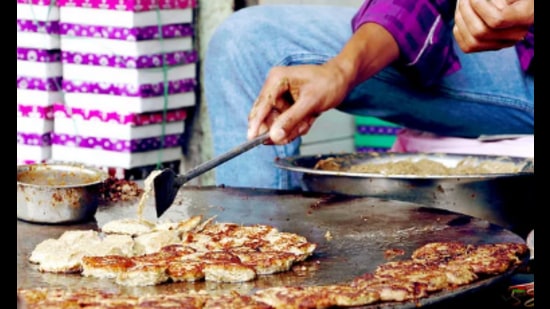
This initiative aims to significantly reduce pollution levels caused by carbon emissions from over 20,000 hotels, eateries, and roadside joints using coal or wood for cooking. The pilot project, launched in collaboration with TERI, an environmental research institute, will initially cover 250 eateries.
As of Saturday, survey work had been completed at 40 sites, with operators informed of the impending changes. The project focuses on major hotels and restaurants in the city.
During the survey, restaurant operators were briefed on the costs, fuel consumption, food capacity, durability, and overall advantages of gas tandoors compared to traditional ones. The project aims to provide comprehensive information on the economic aspects, including labour and cost implications, to facilitate a smooth transition.
According to TERI expert Devanshi Dixit, the survey findings suggest that replacing coal tandoors with gas alternatives could bring down harmful emissions by 95%, offering significant environmental benefits.
In Delhi, the use of coal is already banned, but Lucknow has not yet implemented such strict measures. However, the LMC, under the directives of the National Green Tribunal (NGT), is gradually moving towards stricter regulations. The NGO, in collaboration with the municipal corporation, will provide free gas tandoors to 200 to 240 restaurants, each valued at ₹9,000. The initial survey focused on the Lalbagh and central school areas. Municipal commissioner Inderjit Singh said, “All the charcoal-based tandoors will have to be phased out following the directives of the NGT.”
{{/usCountry}}In Delhi, the use of coal is already banned, but Lucknow has not yet implemented such strict measures. However, the LMC, under the directives of the National Green Tribunal (NGT), is gradually moving towards stricter regulations. The NGO, in collaboration with the municipal corporation, will provide free gas tandoors to 200 to 240 restaurants, each valued at ₹9,000. The initial survey focused on the Lalbagh and central school areas. Municipal commissioner Inderjit Singh said, “All the charcoal-based tandoors will have to be phased out following the directives of the NGT.”
{{/usCountry}}Inderjit Singh said, “The transition to gas and electric tandoors promises significant environmental and health benefits but also poses certain challenges. Restaurant operators will need to adapt to new cooking methods and bear the initial costs of installation and training. However, the long-term advantages, including reduced pollution, better air quality, and potential cost savings on fuel, make this a worthwhile investment for the city’s future.”