In order to ease traffic congestion on arterial roads and busy junctions in the city, the Thane Traffic Police have started tweaking the duration of traffic signals during various time slots throughout the day.
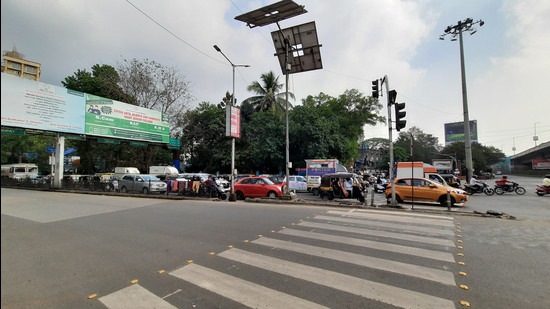
According to Traffic Police officials, the initiative was kicked off 15 days ago, and traffic patterns across Thane are still being studied so that the necessary changes can be made.
Traffic police officials said that the idea was born from the observation that fixed traffic signal duration were the cause behind traffic jams at numerous junctions. Traffic signal durations are set to change automatically through the day with the duration ranging from 30 seconds to two-and-a-half minutes. The signals are operated by the Thane Municipal Corporation, and the duration is pre-programmed by civic officials.
“In many cases, we observed traffic jams so long that by the time motorists at the end of the jam reached near the signal, it had already turned red again. This would cause them to stop at the same signal twice as well as cause another jam behind them due to the backlog from the previous signal. We even found some extreme cases where motorists had to stop thrice at the same signal in this manner,” DCP (Traffic), Balasaheb Patil, said.
Accordingly, the Traffic Police started studying patterns during different time slots, like 8am to 11am, 11am to 4pm, 4pm to 6pm and 6pm to 8pm. The patterns were also divided on the basis of the lanes like Mumbai-bound lanes, Ghodbunder-bound lanes, etc. Police found that traffic patterns for each of these time slots as well as lanes were significantly different from each other.
{{/usCountry}}Accordingly, the Traffic Police started studying patterns during different time slots, like 8am to 11am, 11am to 4pm, 4pm to 6pm and 6pm to 8pm. The patterns were also divided on the basis of the lanes like Mumbai-bound lanes, Ghodbunder-bound lanes, etc. Police found that traffic patterns for each of these time slots as well as lanes were significantly different from each other.
{{/usCountry}}“For example, the Mumbai-bound lanes at Teen Haath Naka in Thane, both on the flyover as well as under it, witness the heaviest traffic from 8am to 11am and are relatively free in the evening. The situation is reversed from 6pm to 11pm. Accordingly, shortening the duration of the traffic signals during high-density hours on the relevant lanes worked wonders with traffic jams decreasing significantly,” Patil said.
After noticing success during the initial phase of the experiment, the Traffic Police decided to implement the initiative throughout Thane City, officials said.
Stay updated with all the Breaking News and Latest News from Mumbai. Click here for comprehensive coverage of top Cities including Bengaluru, Delhi, Hyderabad, and more across India along with Stay informed on the latest happenings in World News.
Stay updated with all the Breaking News and Latest News from Mumbai. Click here for comprehensive coverage of top Cities including Bengaluru, Delhi, Hyderabad, and more across India along with Stay informed on the latest happenings in World News.