
NAVI MUMBAI: Vegetable prices continue to rise across Mumbai and the Mumbai Metropolitan Region (MMR), with carrots, cauliflower, bitter gourd and French beans seeing the biggest increases. Higher wholesale prices at the Vashi Agricultural Produce Market Committee (APMC), the principal supply hub for the region, are feeding into retail rates, adding to household expenses. Green peas are an exception, with the sharp increase in winter arrivals bringing down their wholesale price by nearly 58%.
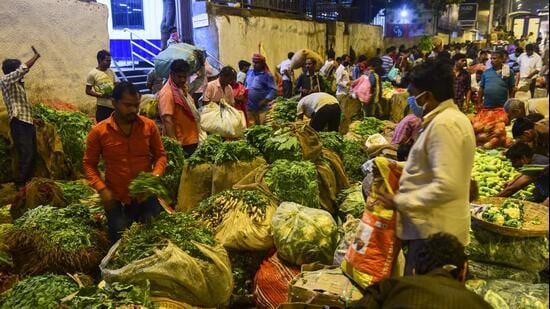
At Vashi APMC, between November 2 and November 24, wholesale prices of bottle gourd rose from ₹11 to ₹19 per kg, French beans from ₹33 to ₹45, cluster beans from ₹50 to ₹60 and bitter gourd from ₹18 to ₹31. Okra increased from ₹28 to ₹45 per kg, carrots from ₹25 to ₹32, tomatoes from ₹11 to ₹17 and cauliflower from ₹5 to ₹8. Beetroot, garlic and snake gourd have also recorded increases.
The impact is visible in retail markets across Mumbai, Thane and Navi Mumbai. Carrots, which cost ₹30-35 per kg on November 2, are now selling at ₹62. Cauliflower has risen from ₹10-15 to ₹45 per kg, while bitter gourd has gone up from ₹25-35 to ₹48. French beans are retailing at ₹60 per kg, against ₹45-55 earlier in the month. Tomato prices have moved from ₹15-20 to ₹30-36 while okra is selling at ₹45 per kg. Bottle gourd is currently priced at ₹30, up from its earlier range of ₹20-25.
The price pressure extends beyond the temporary harvesting and transportation disruptions during Diwali. Erratic monsoon conditions and crop damage in major vegetable-growing belts, including Pune, Nashik, Satara and Ahmednagar, have affected supplies. Uneven arrivals, labour availability and weather-related disruptions have added to the imbalance between supply and demand.
{{/usCountry}}The price pressure extends beyond the temporary harvesting and transportation disruptions during Diwali. Erratic monsoon conditions and crop damage in major vegetable-growing belts, including Pune, Nashik, Satara and Ahmednagar, have affected supplies. Uneven arrivals, labour availability and weather-related disruptions have added to the imbalance between supply and demand.
{{/usCountry}}“While winter arrivals of green peas have surged from the northern and western belts, supplies of other crops from Pune and Nashik districts are still recovering from post-Diwali labour shortages and unseasonal weather patches. Until regular daily arrivals stabilise, wholesale rates for gourds, beans and roots will remain high,” said Krishna More, a senior vegetable trader at Vashi APMC.
Green peas have registered the sharpest correction in the wholesale market. Arrivals at Vashi APMC rose from 130 quintals earlier in the month to 2,526 quintals by November 23. This brought the wholesale price down from ₹120 to ₹50 per kg, a fall of nearly 58%. The reduction, however, has not yet translated into lower retail prices, with green peas continuing to sell at around ₹120 per kg.
Retailers said that transportation costs, sorting losses and the need to clear stocks bought at higher prices were contributing to the gap between wholesale and retail rates. “In wholesale, we buy in bulk crates where 20% to 30% of produce like cauliflower and peas gets discarded after cleaning and sorting. For green peas, vendors are still clearing stock procured at higher rates earlier in the week, though retail prices should ease over the next few days if mandi arrivals stay strong,” said Mahesh Gupta, a retail vegetable vendor at Dharmaveer Sambhaji Bazar in Vashi.
The increase is also affecting household buying patterns. “Even regular weekday vegetables like carrots, tomatoes and cauliflower have doubled in price over the last three weeks. Green peas are still ₹120 a kilo in our local market so we have had to cut down on quantities,” said Vashi resident Rekha Salunkhe, 38.
ABOUT THE AUTHOR
G. Mohiuddin Jeddy is a senior journalist with around three decades of experience across print and television. He has been with Hindustan Times for over two decades, covering Navi Mumbai, Panvel and Uran. His reporting focuses on civic affairs, politics, infrastructure, urban development, environment and other issues affecting residents. Before joining Hindustan Times, Jeddy worked with The Times of India and the Network18 Group, reporting for CNN-IBN/CNN-News18, CNBC Awaaz and IBN7/News18 India. He has chronicled Navi Mumbai’s political and urban transformation through extensive coverage of infrastructure, environmental issues, urban planning and civic administration. His public-interest reporting has highlighted civic concerns and prompted administrative action. His notable work includes breaking the “Hitler’s Cross” controversy in Kharghar and exclusive reporting on the Kenneth Haywood terror email investigation linked to the 2008 Ahmedabad blasts. Beyond the newsroom, Jeddy enjoys reading almost anything he can get his hands on—from news, current affairs and books to the occasional restaurant menu—with a keen interest in national and global politics. He also enjoys travelling to new places, exploring authentic regional cuisine at local eateries, and watching documentaries as well as crime, political, thriller and espionage films and series.
Stay updated with all the Breaking News and Latest News from Mumbai. Click here for comprehensive coverage of top Cities including Bengaluru, Delhi, Hyderabad, and more across India along with Stay informed on the latest happenings in World News.
Stay updated with all the Breaking News and Latest News from Mumbai. Click here for comprehensive coverage of top Cities including Bengaluru, Delhi, Hyderabad, and more across India along with Stay informed on the latest happenings in World News.