E-Paper



PWD to check dust control measures on Delhi roads with GIS
Random checks through cameras will be done and pictures taken twice a month of problem spots generating most dust

 Prefer HTon Google


The Public Works Department (PWD) will start using geographic information system (GIS)-based heat mapping to monitor dust control measures along 4,200 kilometres of roads falling under its ambit, officials aware of the development said on Monday.
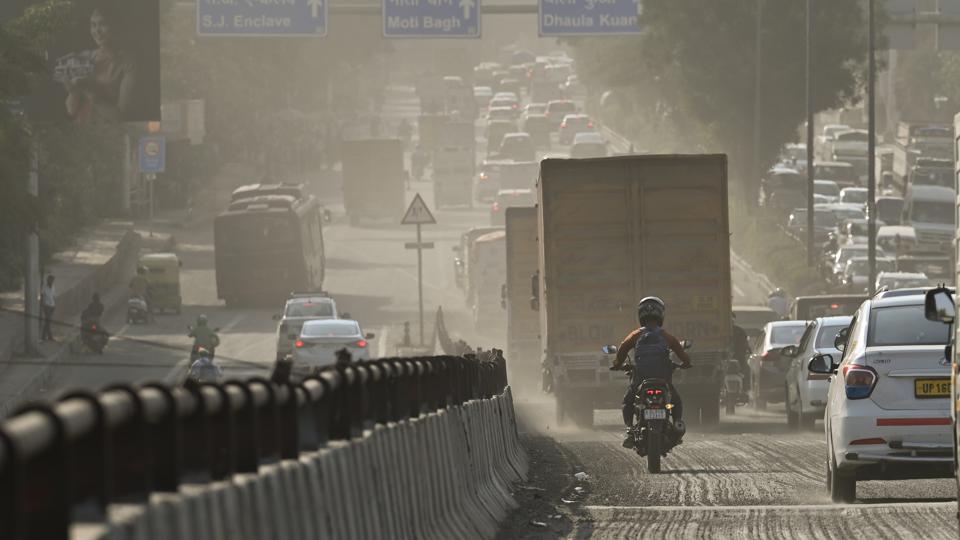
Random checks through cameras will be done and pictures taken twice a month of problem spots generating most dust—potholes, damaged footpaths, damaged infrastructure, improper road cleaning, inadequate green cover or landscaping—officials said.
“We are in the process of hiring an agency that will collect data and share it with us at least twice a month. They will use mobile phones to take realtime photos and compile data to generate heat maps to indicate areas where more road dust is being generated and the possible reason behind it. Once we have information, we will start repair, greening or other interventions,” a PWD official said, asking not to be named.
Officials said the agency hired will study the reason for dust and identify area-specific problems for efficient corrective measures. Monitoring will be done for two months at a total cost of ₹30 lakhand data will be stored in a cloud database for six months, they said.
“The agency should be capable of issuing a customised defect report of all roads under surveillance so that the defect list can be circulated to officers well in time. The agency will monitor all PWD roads two times in a month so that every portion of the road, including service roads, are covered for analysis,” the official said.
In October, chief minister Atishi asked PWD to take stringent steps to control road dust and use anti-smog guns, especially in areas where work was underway. The CM also announced that around 100 teams were formed for checking dust at construction sites.
An IIT Delhi report published in 2023 on the main sources of pollution in Delhi from 1990 to 2022 said road dust was the top polluter in the Capital, along with vehicular emissions, accounting for 10-30% of the total pollutants.