LUCKNOW Once a staunch opponent of the Women’s Reservation Bill, the Samajwadi Party (SP), the principal opposition party in Uttar Pradesh, has now called for a reservation for the ‘PDA’ within the existing reservation.
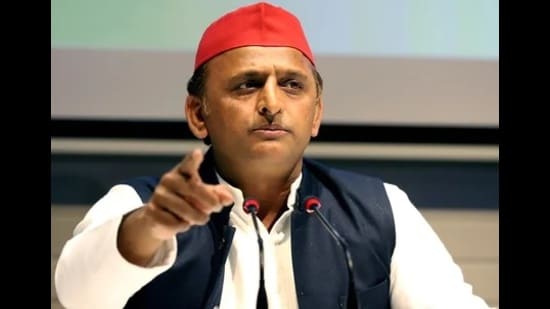
With an intensified focus on “social justice” and a new social engineering strategy for the 2024 Lok Sabha elections, the SP is showing partial support for the Bill recently introduced in Parliament. However, it is simultaneously demanding a ‘quota within the quota’ for the ‘PDA’ i.e. Pichada, Dalits, Alpsankhayak -- women from Backward, Dalits, and minority communities, especially Muslims.
In both 2010 and 2012, the late Mulayam Singh Yadav, the SP’s founder and then national president, vehemently opposed the idea in Parliament and public rallies, even earning the label of “misogynist” for his comments. In 2010, while addressing the Parliament, Mulayam stated, “The Women’s Reservation Bill, if passed in its current form, would provoke young men to whistle in Parliament.” In 2012, during a public meeting in a rural area in Barabanki, he remarked, “The bill, if enacted as it is, would only benefit the privileged -- rich and urban women. Our impoverished and rural women are not attractive.”
More than a decade later, the SP has altered its stance, offering partial support while advocating for the ‘PDA’ quota within the bill. SP national president Akhilesh Yadav wasted no time and, within hours of the Bill’s tabling in Parliament, posted on X (formerly Twitter), saying, “Women’s reservation should balance gender justice with social justice, incorporating a definite percentage of reservation for backward, Dalit, minority, and tribal women.”
{{/usCountry}}More than a decade later, the SP has altered its stance, offering partial support while advocating for the ‘PDA’ quota within the bill. SP national president Akhilesh Yadav wasted no time and, within hours of the Bill’s tabling in Parliament, posted on X (formerly Twitter), saying, “Women’s reservation should balance gender justice with social justice, incorporating a definite percentage of reservation for backward, Dalit, minority, and tribal women.”
{{/usCountry}}Dimple Yadav, the party’s female Lok Sabha member, who represents the late Mulayam Singh Yadav’s constituency, Mainpuri, in the Lok Sabha, while exiting the new Parliament building after the Bill’s tabling, said, “I am a woman, and I support the bill. It should include reservations for those women at the bottom of the ladder. OBC women should also be granted reservations within it.” She added, “The government did not introduce the bill in the past nine years, and it couldn’t be implemented in the 2024 Lok Sabha polls or the upcoming assembly polls in five states. The government’s intentions do not appear sincere; they introduced the bill just before the 2024 Lok Sabha polls for obvious reasons.”
Dimple Yadav is the first Yadav family member to become an elected legislator. She entered Parliament for the first time after winning the Kannauj Lok Sabha by-elections in 2012 and currently represents the Mainpuri LS constituency.
Prior to Akhilesh and Dimple’s statements, SP Lok Sabha member ST Hasan, in Monday’s session in the old Parliament building, expressed support for the Women’s Reservation Bill, stating, “Everyone supports the Women’s Reservation Bill. SP endorses it, but the reservation should include provisions for OBC, Dalit, and minority women. Furthermore, the reservation should apply to political parties rather than the Election Commission. Political parties should allocate reservations in ticket distribution for elections, and the Election Commission should not reserve seats. There is a concern that the Election Commission might reserve seats where our prominent leaders contest.”
Sharing his views on the Bill, Ameeque Jamei, a national spokesperson for the Samajwadi Party, said, “Here’s the essence of the Women’s Reservation Bill -- 33% of seats will be reserved for women in Parliament and state assemblies. However, this reservation will only be implemented after the next constituency delimitation. The delimitation process is contingent on the next caste census, which was scheduled for 2021 but has neither commenced nor been planned for. Within this 33%, there appears to be a ‘khela’ (trick) played with SC/ST, OBC, and minority groups. Do you grasp the implication?”