
 E-Paper



Cloud cover leads to warmer nights in Pune and across Maharashtra
IMD data shows that the sharpest rise in minimum temperature was recorded at Pune’s Lohegaon station, where the night temperature on Friday reached 24.1°C, about 6.9°C above normal


While daytime temperatures across most of Maharashtra have remained below normal, nights are bucking the trend, growing noticeably warmer. The India Meteorological Department (IMD) reports that minimum temperatures in several districts, particularly in central Maharashtra, are running 2°C to 6°C above average.
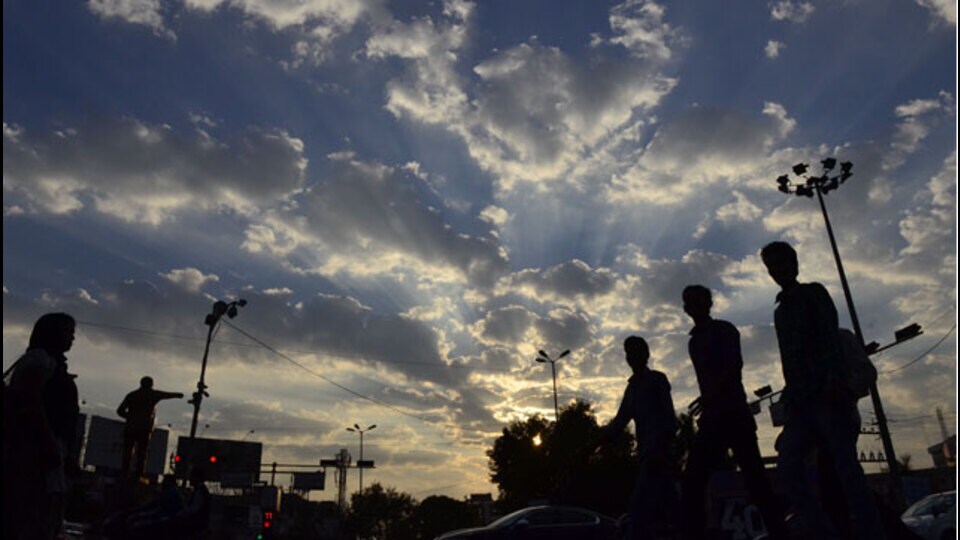
Meteorologists say the shift is linked to increased cloud cover over the state.
SD Sanap, senior meteorologist at IMD Pune, said, “Moisture from both the Bay of Bengal and the Arabian Sea is feeding cloud formation at night. These clouds trap heat in the atmosphere, preventing it from escaping and keeping night-time temperatures higher.”
IMD data shows that the sharpest rise in minimum temperature was recorded at Pune’s Lohegaon station, where the night temperature on Friday reached 24.1°C, about 6.9°C above normal. Nashik followed with a deviation of 5.7°C, recording a minimum of 22.5°C. Solapur reported the lowest variation, with a minimum temperature of 21.7°C, around 1.8°C above normal.
Overall, central Maharashtra has experienced the most pronounced increase in night-time temperatures, while Vidarbha districts have seen deviations of 2°C to 4°C.
In Pune, the contrast between day and night has been particularly striking. On Saturday, the city recorded a daytime high of 29°C, 2.5°C below normal, while the minimum temperature stood at 22.5°C, nearly 5.3°C above normal. The disparity made evenings and early mornings unusually warm for this time of year.
Experts warn that persistently warm nights can have implications that extend beyond mere discomfort. Health specialists say sustained exposure to elevated night temperatures can disrupt sleep, cause fatigue, and worsen conditions such as dehydration, cardiovascular strain, and anxiety. Vulnerable groups, including the elderly, children, and those with chronic illnesses, are particularly at risk.
Meteorologists expect temperatures to moderate once the cloud cover clears, but the recent trend underscores the growing variability in Maharashtra’s local weather patterns.


