
 E-Paper



Dapodi women set new standard for sustainable waste management
The day-to-day operations are fully handled by an eight-strong women’s self-help group from Dapodi, which was a leprosy-affected shantytown

 Prefer HTon Google


The ‘Dapodi Zero-Waste Project’ – managed by the Pimpri-Chinchwad Municipal Corporation’s (PCMC’s) health department, with day-to-day operations fully handled by a local women’s self-help group – is going above and beyond its remit of cleanliness to empower women, create jobs, and set an example of how cities should adopt an eco-friendly lifestyle, officials said.
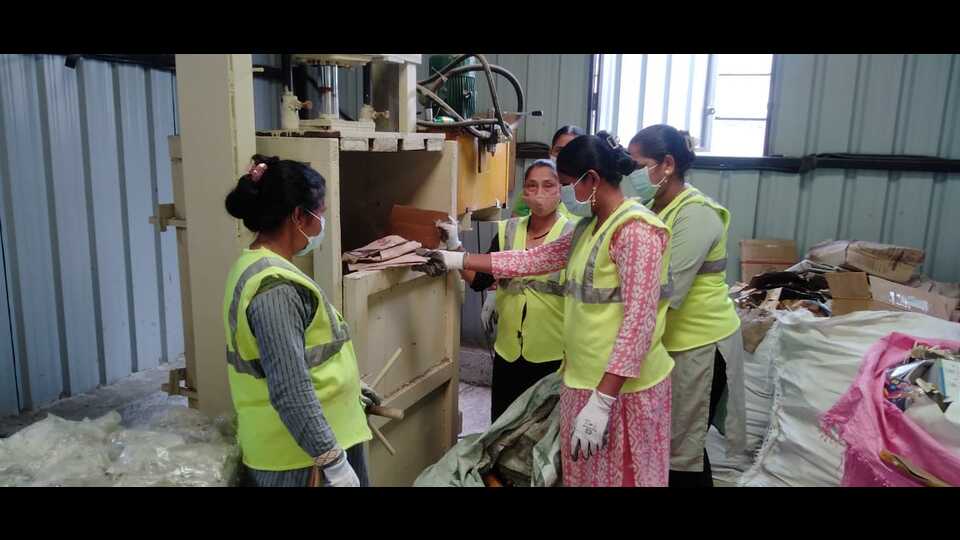
The project, which completed one year this month, has been started under the PCMC’s ‘New Disha’ programme which aims to empower women. The day-to-day operations are fully handled by an eight-strong women’s self-help group from Dapodi, which was a leprosy-affected shantytown decades ago. The project has received funding from a private firm under corporate social responsibility (CSR).
Under this initiative, household waste is collected daily from 428 households in Dapodi; carefully segregated into wet and dry waste; and processed using advanced equipment such as dust separators, agglomerators, hydraulic presses, and semi-automatic composting machines into nutrient-rich compost for the benefit of farmers. This helps reduce the twin city’s landfill burden while promoting circular economy practices, officials said. Implemented under the guidance of Pimpri-Chinchwad municipal commissioner and administrator Shekhar Singh and additional commissioner Vijaykumar Khorate; the project is led by deputy commissioner Sachin Pawar.
Khorate said, “The ‘Dapodi Zero-Waste Project’ is not just about waste management; it is a remarkable example of women’s empowerment and sustainable living. This initiative is creating employment opportunities for women while setting a new direction for waste management in the city.”
Pawar said, “Our focus has been to go beyond waste collection and implement a scientifically sound, technology-driven process for compost production. By involving women’s self-help groups, we have turned this initiative into a model for future sustainable waste management.”


