
 E-Paper



IMD issues orange alert for Vidarbha, no rain warning for Pune
Under its influence, Vidarbha districts including Yavatmal, Gondia, Gadchiroli and Chandrapur are expected to receive moderate to heavy rain on October 29

 Prefer HTon Google


The India Meteorological Department (IMD) on Monday issued an orange alert for the Vidarbha region, forecasting moderate to heavy rainfall activity on October 29 under the influence of severe cyclonic storm, ‘Montha’ over the Bay of Bengal.
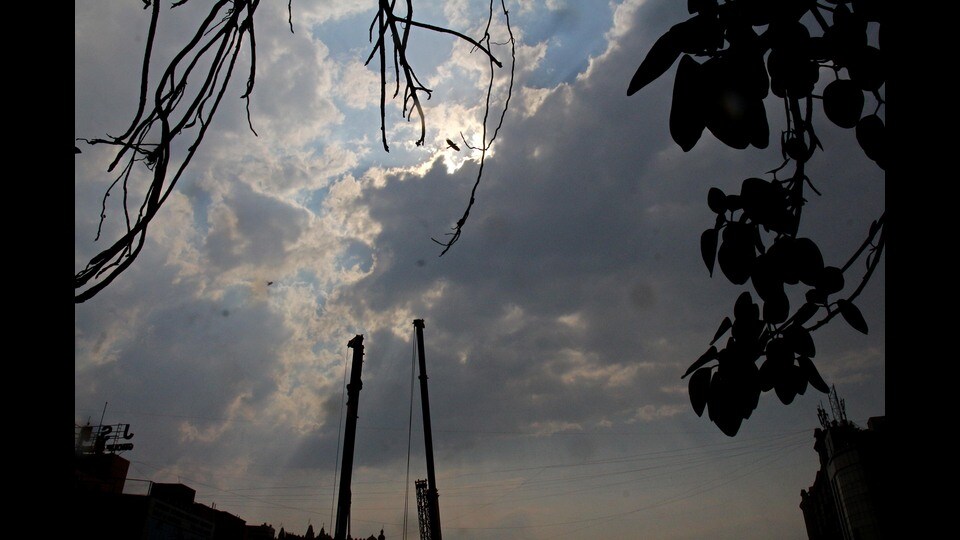
According to the IMD’s latest weather bulletin, the cyclone intensified into a severe cyclonic storm over west-central Bay of Bengal near latitude 14.9 degrees north and longitude 82.9 degrees east at 8.30 am on October 28. It lay about 160 km south to southeast of Machilipatnam, 240 km south to southeast of Kakinada, and was expected to cross the Andhra Pradesh coast between Machilipatnam and Kalingapatnam near Kakinada by Monday evening/night with wind speeds reaching 90 to 100 kmph, gusting to 110 kmph.
Under its influence, Vidarbha districts including Yavatmal, Gondia, Gadchiroli and Chandrapur are expected to receive moderate to heavy rain on October 29. The alert will then be downgraded to yellow for light to moderate rainfall on the following days.
Meanwhile, Pune district, which had been under a yellow alert for over a week, is unlikely to witness any rainfall activity in the coming days. IMD officials said no significant weather warnings have been issued for Pune October 30 onwards.
In addition to cyclone Montha, other weather systems are currently active across the country including a deep depression over the Arabian Sea and a cyclonic circulation over northeast Rajasthan. A trough extending from the Arabian Sea depression to northeast Rajasthan along with a western disturbance running along longitude 75 degrees east is also influencing regional weather conditions.
As per the IMD, Maharashtra may see widespread rainfall on October 29 with most districts except Sangli, Solapur and Kolhapur placed under yellow alert. However, rainfall activity is likely to subside after October 30, and no major alerts are expected thereafter.


