PUNE: Maharashtra has reported 303 laboratory-confirmed H1N1 (swine flu) cases this year, with doctors saying that while most patients continue to develop the usual flu symptoms, a section is presenting with an unusual pattern in which abdominal pain, diarrhoea and loose motions appear before respiratory symptoms.
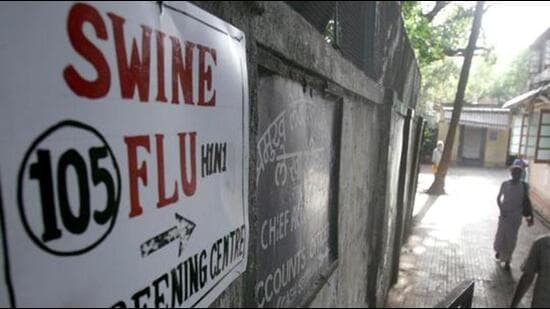
Of the total cases, 277 patients have recovered, 26 are undergoing treatment in hospitals, none is on ventilator support and no death has been reported.
Among civic bodies, the Pune Municipal Corporation (PMC) has reported 40 cases, while the Pimpri Chinchwad Municipal Corporation (PCMC) has reported one case. The highest number of cases has been reported from the Brihanmumbai Municipal Corporation (138), followed by Nagpur Municipal Corporation (36), Solapur Municipal Corporation (27), Thane Municipal Corporation (20), Kolhapur district (17) and Nashik Municipal Corporation (11).
Doctors at Ruby Hall Clinic said they have observed an unusual clinical presentation in some patients during the current season. In several cases, patients are admitted with gastrointestinal complaints and develop sore throat or other respiratory symptoms two to three days later. Advanced molecular tests such as the BioFire respiratory panel subsequently confirm H1N1 infection. “This year, influenza virus infection cases are different. We are seeing patients presenting with abdominal pain and diarrhoea first. Respiratory symptoms develop later, and tests later confirm H1N1 infection in many of these patients,” said Pramod Jagtap, consultant physician at Ruby Hall Clinic, Pune.
However, other infectious disease specialists said the overall pattern of H1N1 illness has largely remained unchanged.
{{/usCountry}}However, other infectious disease specialists said the overall pattern of H1N1 illness has largely remained unchanged.
{{/usCountry}}Dr Abhijit Lodha, general physician and internal medicine expert at Mirayee Hospital, said gastrointestinal symptoms are more common in children than adults. “In paediatric patients suffering from influenza virus infection, around 10% to 20% present with vomiting and diarrhoea. However, such symptoms are generally not seen in adults,” he said.
Explaining the disease pattern, Dr Lodha added, “Flu is of two types. The uncomplicated illness has an incubation period of one to four days after which symptoms begin. Complications are reported later in high-risk patients, including cardiac complications, pneumonia and seizures. However, nearly 95% of influenza-like illness cases are uncomplicated.”
Dr Ameet Dravid, infectious diseases expert at Noble Hospital and Research Centre, said H1N1 continues to be the predominant influenza strain circulating this month. “The cases of influenza virus have increased since this month, and most of them are H1N1. We have seen the majority of patients presenting with fever, cough and cold, while some have progressed to pneumonia. Several complications have also been seen in patients with underlying medical conditions,” he said.
Dr Dravid said, “Typical symptoms are likely to be seen throughout this season and there is no profound change in the disease pattern. The major problem is that many people opt for self-medication and take antibiotics on their own. In some cases, this leads to loose motions. People should avoid self-medication, avoid over-the-counter antibiotics and get vaccinated.”
Dr Avdhut Bodamwad, Lopmudra Hospitals, said, “One should not assume every patient with loose motions or abdominal pain has a gastrointestinal infection. During periods of active influenza transmission, clinicians should also consider H1N1, particularly if fever or respiratory symptoms develop subsequently. Early testing and timely antiviral treatment can significantly reduce the risk of complications in high-risk patients,” he said.
State surveillance officer Dr Raju Sule said the government is closely monitoring the circulating virus for any genetic changes. “Influenza virus samples are regularly sent to the National Institute of Virology, which tests them to check for any mutation in the virus. At present, there are no reports of any mutation flagged by experts. However, we will check with the NIV if they have come across any mutation,” he said.
Health experts said people with persistent fever, cough, breathlessness or worsening symptoms should seek medical care early, while high-risk groups, including senior citizens, pregnant women and people with chronic illnesses, should consider influenza vaccination to reduce the risk of severe disease.