
 E-Paper



MSRDC plans six-laning of old Pune-Mumbai highway
The project is estimated to cost between ₹5,000 crore and ₹6,000 crore, with the investment proposed to be recovered through toll revenue. As a result, the existing toll collection period, currently permitted until 2035, may be extended by 10 to 15 years.

 Prefer HTon Google


Pune: After widening the Pune-Mumbai Expressway to 10 lanes, the Maharashtra State Road Development Corporation (MSRDC) has initiated work on a detailed project report (DPR) to upgrade the old Pune-Mumbai Highway from four lanes to six.
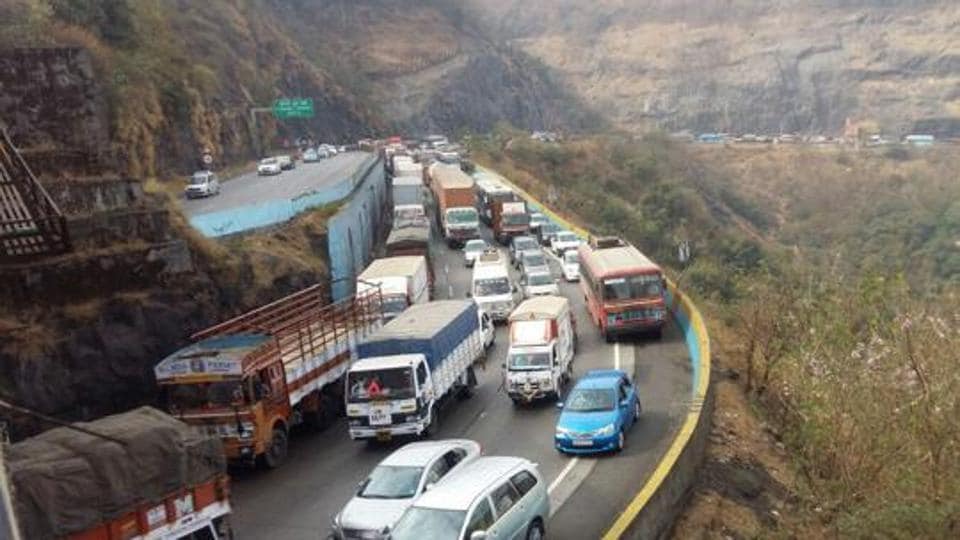
The project is estimated to cost between ₹5,000 crore and ₹6,000 crore, with the investment proposed to be recovered through toll revenue. As a result, the existing toll collection period, currently permitted until 2035, may be extended by 10 to 15 years.
The proposed widening is expected to include new road links and alignment improvements to enhance traffic flow and reduce travel time, particularly through the Lonavla and Khandala ghat sections. The existing four-lane highway will be expanded to six lanes, with alignment modifications undertaken wherever necessary.
MSRDC has appointed a consultant to prepare the DPR. “The exact scope and design of the project will be finalised after the DPR is completed,” said Rahul Vasaikar, superintendent engineer, MSRDC.
The old Pune-Mumbai Highway holds historical significance, having been originally developed during the British era to connect Mumbai with the Deccan Plateau via the Bor Ghat. It later became National Highway 4 and served as the primary road link between Mumbai and Pune until the Yashwantrao Chavan Pune-Mumbai Expressway was opened.
In 2010, the highway was redesignated as part of National Highway 48 (NH-48). Stretching approximately 150–156 km, the road was initially a two-lane highway before being widened to four lanes to accommodate growing traffic volumes. MSRDC is currently responsible for its maintenance and upkeep.
The proposed six-laning project aims to further improve connectivity between Pune and Mumbai while addressing increasing traffic demand.


